
As we move into the latter half of the 2020s, AI’s evolution and potential show few signs of slowing. New generations of software and AI models have made these myriad systems nearly indispensable in many forms of business, but there is a caveat. Rapidly rising RAM prices mean than actually operating local AI platforms is becoming prohibitively expensive. There are ways to mitigate this issue, however, which any savvy business manager needs to explore diligently.

Source: Pixabay
An Ongoing Crisis
The initial issue with rapidly increasing consumer RAM prices began in mid-2025. During this time, data centres began purchasing RAM on a previously unseen scale. Rather than having to sell chips through retailers one at a time, RAM manufacturers found themselves in a situation where they could commit to bulk sales. This was far more convenient and generated less overhead, so it was the financially intelligent move for big companies like Samsung, SK Hynix, and Micron.
While this has led to record sales for manufacturers, it’s created a significant shortage in the consumer market. In turn, this led to higher prices for the consumer chips that do make it to market. As of August 2026, prices are still rising, with the DDR5 price index currently reaching 486% of its July 2025 baseline. As data centre demand continues to rise, industry experts see no end in sight until late 2027 at the earliest.
Potential Solutions
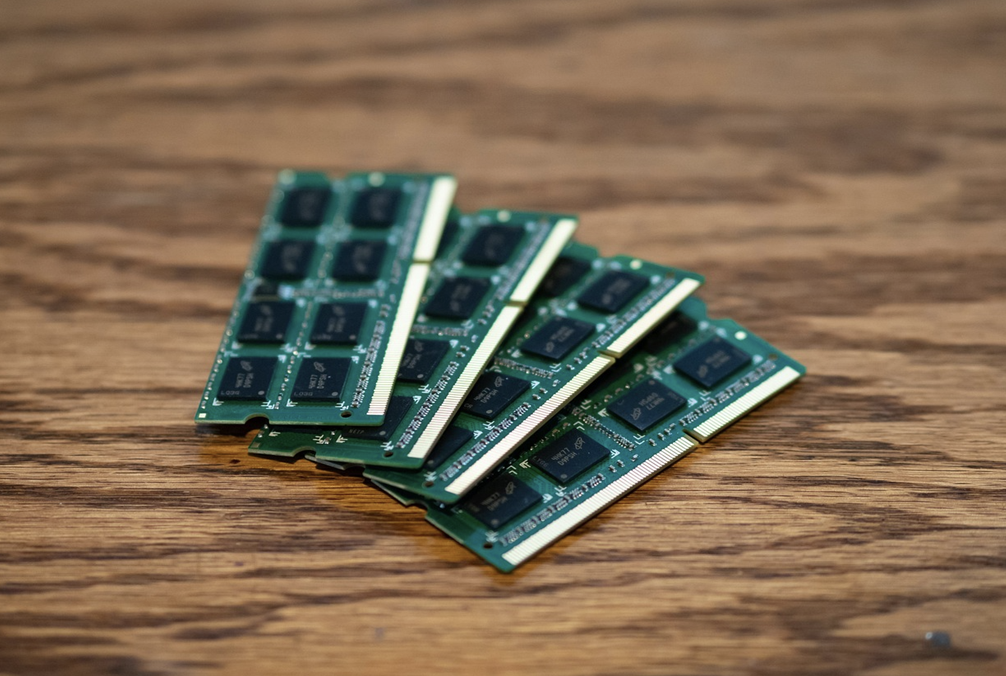
Finding solutions for businesses looking to implement AI is possible, with two main avenues offering paths to explore. If you’re dead set on using models hosted locally, then don’t overlook the potential of second-hand computer components. While DDR3 might be too old and slow to be realistically usable in an AI setup, DDR4 can still perform admirably in many AI applications. You’ll still want to look for at least 32 gigabytes separated into multiple sticks, and you’ll still need to run it in XMP mode, but the potential is there.
Secondhand online sellers are possibilities for exploration, and you shouldn’t overlook smaller sales sites like local Facebook marketplaces. It also might be worthwhile exploring full computer systems that you can strip for parts. It’s still common to see older computers sold by people not fully aware of current market prices, so as long as you’re okay with a little work, you might even be able to turn a profit.
Another possibility is to simply leverage models where AI is accessed locally, but computed off-site. Many platforms running software like customer retention services already operate in this manner. Thanks to the processing power of these host servers, such platforms offer near real-time responses back to software running on business computers. This provides all the advantages of hyper-personalisation and customisable messaging, without the need to go through the RAM purchasing process.
Source: Pixabay
While RAM prices continue to rise, the risk of missing out on what AI can offer for businesses remains ever-present. AI technology will only improve with time, so the importance of tracking how it might be implemented is only growing more important. The above solutions might be the most financially responsible approaches businesses can currently access, and could remain useful for years to come. Even for businesses not looking to explore AI right now, these opportunities could still be worth watching closely.