

How to Plan a Platform Migration Without Disrupting Business Operations
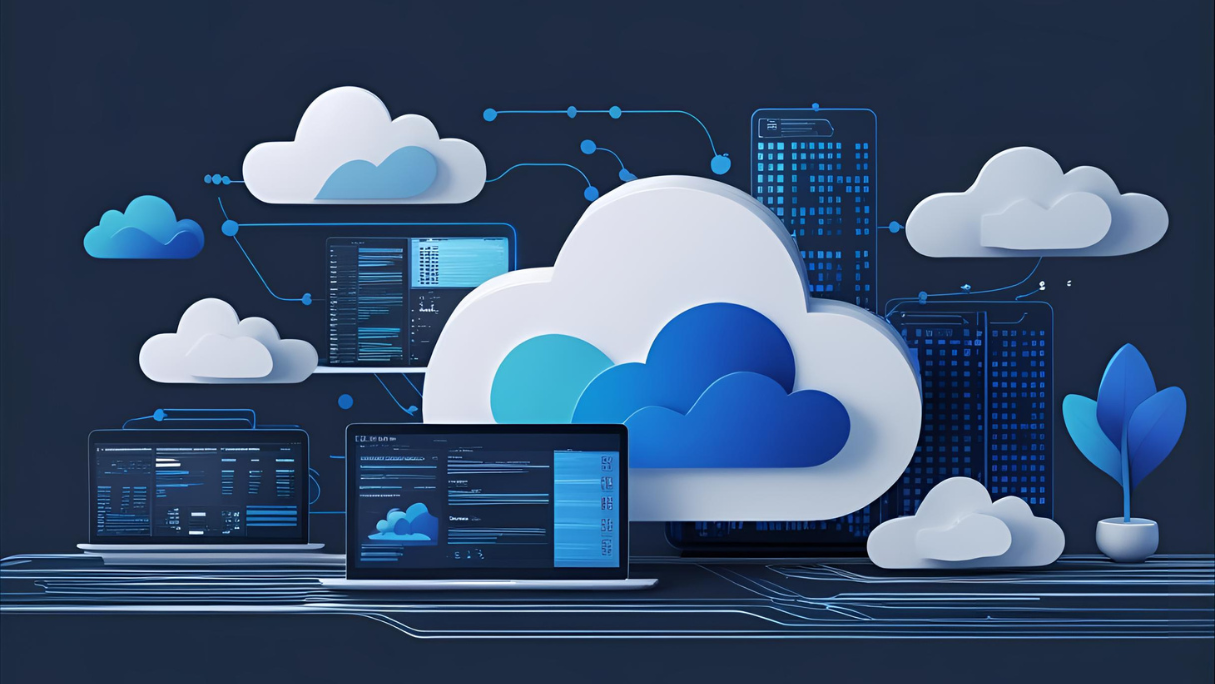
As businesses embrace digital transformation, platform migrations have become more common. Whether moving to a new cloud environment, upgrading enterprise software, or adopting AI-powered business platforms, a successful migration requires careful planning to avoid downtime and operational disruptions. Modern organizations are increasingly using artificial intelligence (AI) to streamline migration projects, automate repetitive tasks, and reduce the risk of costly errors.
Define Clear Migration Objectives
Every migration should begin with well-defined goals. Businesses may be looking to improve scalability, strengthen cybersecurity, enhance customer experiences, or integrate AI-powered capabilities into their existing workflows.
Establish measurable objectives that align with your long-term business strategy. This helps teams prioritize tasks and evaluate the migration’s success after deployment.
Assess Your Current Infrastructure
Before moving to a new platform, conduct a thorough audit of your existing systems. Identify applications, databases, user permissions, integrations, and workflows that need to be migrated.
Many organizations now use AI-driven assessment tools to analyze infrastructure, detect dependencies, and identify potential compatibility issues before migration begins. These insights help reduce surprises later in the project.
Build a Comprehensive Migration Plan
A detailed migration strategy minimizes disruption and keeps every stakeholder aligned. Your plan should include timelines, assigned responsibilities, backup procedures, testing schedules, and contingency measures.
Key planning stages include:
- Infrastructure assessment
- Data backup and validation
- AI-assisted compatibility analysis
- Testing and quality assurance
- Deployment and monitoring
Breaking the project into manageable phases reduces risk and allows teams to address issues before they impact business operations.
Protect Critical Business Data
Data integrity remains one of the highest priorities during any migration. Create verified backups before transferring information and validate that all business data is accurately migrated.
Businesses transitioning communication platforms can also benefit from a professional email migration service, ensuring emails, calendars, contacts, and business communications are securely transferred with minimal downtime.
Use AI to Improve Testing
Testing is essential before launching the new platform. AI-powered testing tools can automatically identify broken workflows, detect inconsistencies, and highlight performance bottlenecks much faster than traditional manual testing.
In addition to functional testing, organizations should perform:
- Security testing
- Performance testing
- Integration testing
- User acceptance testing (UAT)
Combining AI automation with human oversight helps ensure a smooth transition.
Schedule Migration During Low-Impact Periods

Choose deployment windows that minimize disruption to customers and employees. Weekends, evenings, or scheduled maintenance periods often provide the safest opportunity to migrate systems.
Notify all stakeholders in advance and provide regular updates throughout the migration process to maintain transparency.
Train Employees on AI-Enhanced Platforms
Many modern business platforms now include AI-powered features such as workflow automation, intelligent search, predictive analytics, and virtual assistants. Employees should receive training before launch so they can confidently use these new capabilities from day one.
Proper onboarding helps reduce productivity losses and improves user adoption.
Monitor Performance with AI Analytics
After deployment, continuously monitor system health and user activity. AI-powered monitoring solutions can detect unusual behavior, identify performance issues, and predict potential failures before they affect business operations.
Tracking key metrics such as uptime, response times, and error rates allows IT teams to resolve problems quickly and maintain system reliability.
Prepare a Rollback Strategy
Even the best-planned migrations may encounter unexpected issues. Maintain a documented rollback plan that enables your team to restore the previous platform if critical problems arise.
Having tested backups and recovery procedures provides confidence throughout the migration process.
Conclusion
Planning a platform migration without disrupting business operations requires careful preparation, thorough testing, and effective communication. As AI continues to reshape enterprise technology, businesses can use intelligent tools to automate assessments, improve testing, monitor system performance, and reduce migration risks. By combining strategic planning with AI-powered solutions, organizations can complete migrations more efficiently while maintaining business continuity and positioning themselves for future growth.

I am Erika Balla, a technology journalist and content specialist with over 5 years of experience covering advancements in AI, software development, and digital innovation. With a foundation in graphic design and a strong focus on research-driven writing, I create accurate, accessible, and engaging articles that break down complex technical concepts and highlight their real-world impact.
More from Balla
See all AI Business Strategy
How Industrial Companies Should Choose a Revenue Operations Consultant: A 2026 Comparison of Six Firms
 AI & Technology
Website Chatbots for Auto Repair Shops
 Automation
Beyond Automation: Why Human Creativity Still Matters in Modern Marketing
 Data
From Pipelines to Products: How Himant Goyal Is Redefining Enterprise Data Strategy in the Age of AI
Recommended for you
More stories AI Business Strategy
Helping the Next Generation of Investors Understand Market Information
 AI Business Strategy
Why Payers Are Funding the Same AI Problem Three Times
 AI Business Strategy
Taking control: why AI needs managing to deliver ROI
 AI Business Strategy
How AI Agents in Ecommerce Are Helping Online Businesses Work Smarter
 AI Business Strategy
How to evaluate an AI agent before it submits job applications
 AI Business Strategy