Artificial intelligence has become one of the most talked-about technologies in modern security, with analysts projecting the AI video surveillance market to grow more than 30% annually through 2030. From video analytics to predictive monitoring, the conversation often centers on what AI can automate and whether machines will eventually replace human decision-making.
When it comes to physical security, that’s the wrong conversation. Instead, it’s about giving people better information, earlier awareness, and more confidence in situations when every second matters.
Across schools, security teams face a common challenge—cameras capture enormous amounts of information, yet much of that footage is only reviewed after an incident has occurred. No one can realistically watch hundreds of camera feeds at once—people get tired, they zone out, and they miss things. That is why video has historically served as a forensic tool, reviewed after the fact, rather than an operational one. Artificial intelligence is changing that.
Today, instead of simply recording events, AI can continuously analyze existing video streams for indicators that something may be wrong—a medical emergency, physical altercation, unauthorized intrusion, or other behaviors that warrant attention. Rather than waiting for someone to discover an incident and report it, organizations now have an opportunity to identify developing situations sooner. As schools continue to shift from reactive response protocols to proactive preparedness, AI can help extend their visibility.
Early awareness fundamentally changes how organizations respond. Rather than having to act with limited information, security teams, administrators, and first responders receive timely, tangible context about what is unfolding, allowing them to prepare the appropriate resources and make more informed decisions before they arrive.
This is where the greatest value of AI emerges. The organizations seeing the strongest outcomes are using AI to strengthen human judgement. AI can identify patterns and surface potential concerns in seconds, but people remain responsible for verifying those alerts, interpreting the situation, and determining the appropriate response. The goal is not automation for its own sake; it’s to reduce the time between detection, understanding, and response.
Human Judgment Remains the Most Important Layer
Despite rapid advances in AI, evaluating risk still requires human judgment. AI can recognize patterns, identify unusual activity, and surface situations that warrant attention, but it cannot fully understand context the way people can.
A crowd gathering in a hallway may indicate a fight, or students stopping to help someone who has fallen. Children running across campus could signal an emergency, or simply be students heading to recess.
This distinction is why human oversight has become one of the defining characteristics of responsible AI adoption. The AI should never make the call alone. Rather than allowing AI to independently trigger an emergency response, trained professionals review AI-generated alerts, assess the situation, and initiate the appropriate response based on established policies.
This approach delivers two important benefits. First, it reduces unnecessary response by ensuring alerts are evaluated before action is taken. Second, it builds confidence in the technology itself. Organizations are far more likely to embrace AI when they know people remain in control of critical decisions.
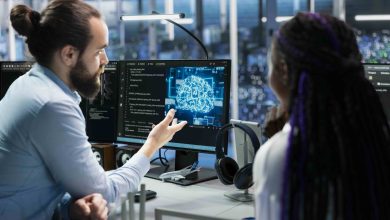
The future of physical security should combine the strengths of both AI and human expertise. Neither people nor technology can be everywhere at once. Staff can recognize and act on situations wherever they are on campus, including spaces cameras cannot see, like inside the classroom. AI can continuously monitor visible spaces like hallways and common areas when staff are focused elsewhere. Together, they extend awareness across more of the campus, with people providing the judgment, experience, and accountability to determine what happens next.
Privacy Cannot Be an Afterthought
As AI becomes more prevalent in physical security, privacy concerns are impossible to ignore.
Many people understandably associate AI-powered cameras with facial recognition, biometric tracking, or continuous surveillance of individuals. Those concerns are legitimate, and they deserve direct answers. Safety technology only works when the communities it serves trust it. That trust starts with designing privacy in from the beginning rather than bolting it on later.
AI security technologies that are intentionally designed to understand environments and behaviors rather than people or characteristics can make a significant impact without compromising trust. Instead of asking, “Who is this?” AI asks, “What is happening?” That distinction is what allows organizations to prioritize safety and privacy at the same time.
Behavior-based analytics can recognize potential fights, medical emergencies, or intrusions without relying on facial recognition or storing biometric information. Equally important, many organizations are implementing governance models that require human review before AI-generated alerts are shared with responders or emergency dispatch. This ensures decision-making and accountability remain with human responders.
Privacy and security do not have to compete with one another. When AI is implemented with transparency, human oversight, and organizational control at its core, both objectives become achievable.
Better Information Creates Better Outcomes
When an emergency unfolds on campus, a school’s ability to respond effectively depends on whether people receive the information in time and with confidence to act immediately. While 93% of public schools use security cameras, in most cases those cameras simply record to a DVR that nobody checks until after an incident.
AI closes that gap by turning passive footage into real-time situational awareness, shortening response times from minutes to seconds.
Responders who understand what they’re walking into can make faster, more informed decisions. A medical team can bring the appropriate equipment before arriving on scene. Security personnel can better assess the nature of an incident. Administrators can coordinate resources with greater confidence.
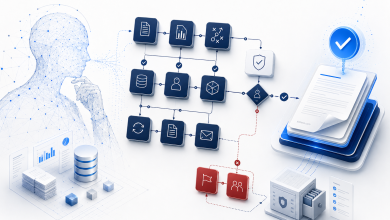
This represents an important shift in how physical security is viewed. Cameras are no longer simply documenting incidents after they occur. Combined with AI, they become part of an organization’s broader safety team, helping connect detection, verification, communication, and response into a single operational workflow. Critically, none of this requires starting over. Most schools can build on the camera infrastructure they already own.
The Future of Safety Is Built on Partnership Between People and AI
Perhaps the biggest misconception surrounding AI is that it’s intended to remove humans from the process, when in fact, the opposite is proving true.
The most effective AI implementations are those that empower people, not replace them. Teachers, security officers, and first responders remain the ones making critical decisions during emergencies. AI’s job is to give those people the right signal at the right time so they can recognize risks sooner, understand situations more clearly, and respond with greater confidence.
As districts continue investing in safer schools, success will depend on combining the strengths of AI with the experience, judgment, and compassion that only people can provide.