Artists have a stake in how their work is made, used, credited, and circulated. That stake includes permission, attribution, the learned craft behind a result, livelihood, and control over whether their work enters another process. Generative tools raise a genuine disagreement because they can affect each of those conditions, especially when training material, consent, compensation, or authorship remains unclear.
Those concerns are legitimate questions about work and responsibility. Readers and artists can decide not to support AI-assisted work, and no one has an obligation to be persuaded by a production account. A process explanation should make decisions and responsibilities easier to examine.
That record can identify the screenplay, boards, animatic, generation, revision, selection, compositing, and edit, while also stating where permission was sought or absent. Human judgment and manual work matter, yet they do not settle questions about permission, labor, or training material. That is the ground for looking at short film Tegaki, where two friends understand making and creative work differently.
Tegaki as a case study
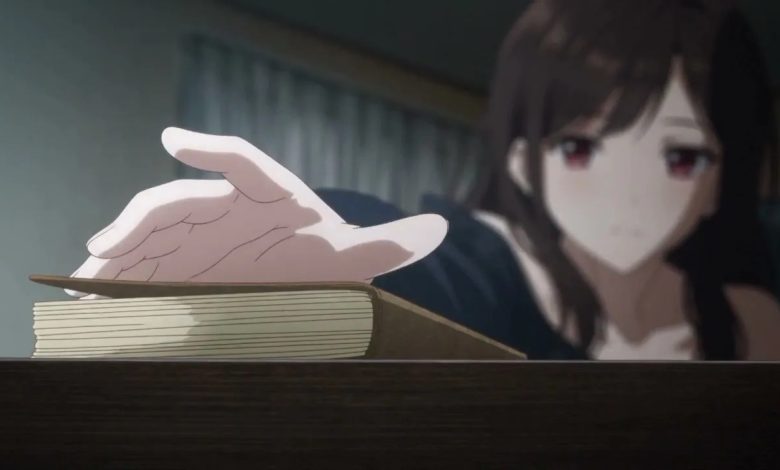
Tegaki follows Nozomi, an animator whose craft and sense of self are tied to drawing. Her childhood friend Mia is a machine-learning engineer who sees automation as a way to widen access to making images. Mia privately tries Nozomi’s drawings on Nozomi’s own computer without asking. The attempt is meant as help, yet the absence of consent damages the friendship.
Consent is already at stake in this private exchange. Watch the full short film TEGAKI / 手描き on YouTube. The complete film runs about ten minutes, uses Japanese dialogue, and has English subtitles burned into the Picture.
Later, Nozomi tries the tool once herself and forgets to close the relevant tab before starting a livestream. Viewers assume that the visible tab proves she has used AI all along. Comments move faster than her explanation, she stops the stream, and the accusation continues into her professional life.
The film shows two connected consequences: a friend uses creative work without permission, and a community response turns suspicion into harassment. The film presents the resulting pressure through the stream, the comments, and its effect on Nozomi’s professional life.
The production follows the same question about authority. The screenplay was manually finalized, while hand-drawn storyboards established the visual decisions. A timed animatic established duration, neighboring shots, pauses, and performance intention. Shot-specific generation, revision, selection, and editing then worked inside that design.
Json Cunanan researched the workflow, handled much of the generation and post-processing, and led the final edit and music integration. Shō Akiyama handled the story, screenplay, rewrites, boards, animatic, pacing, shot intention, reviews, and final selection. These roles describe how the two creators collaborated across story, image generation, revision, sound, and edit.
The livestream, chat, notifications, translations, and harassment screens required exact text and timing. They were built and animated through manual UI work, traditional compositing, and motion graphics. Generated footage and music also form part of the finished production, and inconsistencies remain in the film. Theproduction record identifies where the creators made decisions about drama, framing, rhythm, sound, and what the audience reads on screen.
Consent craft and community
The case leaves several open issues that deserve separate treatment. Consent has more than one boundary. In the film, a private experiment uses a person’s drawings on her computer without permission, and the friendship changes when she learns what happened. A public workflow also requires clarity about whose material entered a system and for what purpose.
A disclosure that says AI was used does not answer those questions. It names a category and leaves the permissions, labor, and decision history to be explained. Creative authority also has to be described at the level of the work. A model can generate a striking image or musical passage, yet it does not automatically know which reaction should last three seconds, which eyeline preserves continuity, or which notification changes the pressure of a scene.
Those creative choices can be shared among collaborators. Naming the screenplay, boards, animatic, generation, revision, selection, compositing, and edit gives readers a concrete account of how the film was shaped and which roles contributed to each stage.
Labor and access complicate the picture further. A small team may gain options that would otherwise be unavailable, while artists whose work supports training systems may face unresolved consent and compensation questions. Environmental cost, employment, and the value of learned craft remain material concerns. Access to a tool does not settle the rights of the work used to build it.
A production record cannot answer every legal question about training, yet it can make the relevant questions visible alongside the work’s methods and permissions. Audiences may respond differently to the film’s use of AI, its disclosure, and the consent question shown in the story. Those responses can include requests for more information, a decision not to support the work, or continued interest in how the collaborators made it.
The film leaves the friendship, the consent question, and the division of creative decisions in view without resolving every disagreement. Its production record allows readers to follow what each person chose, revised, and accepted, while readers may still reach different conclusions about what the process means.
Watch the full short film TEGAKI / 手描き on YouTube, with Japanese dialogue and English subtitles burned into the picture: watch the complete film.
Trailer (optional preview): watch the official trailer.