Building a website takes a lot less effort than it used to. AI can write copy, generate the images, build layouts and even help create an entire WordPress site in a fraction of the time. That means an ambitious new retailer can launch a digital store in a matter of hours, agencies can take on more work, and websites can be built without the same level of technical expertise or resource they once needed.
Launching a website has never been easier. Running one has never been harder.
Why is AI making website maintenance more important?
The faster businesses can build, the more there is to manage, especially when launch timeframes are moving from weeks to days. For businesses managing multiple sites, it can quickly add to the operational workload.
At the same time, businesses have to work harder to stand out. Launching a website is one thing, but keeping it fast, reliable and easy to use is what keeps people coming back. Most customers won’t think twice about how it was built. They’ll remember if the checkout doesn’t work, a booking form that won’t load or pages that feel slow.
Websites themselves are also becoming more complex. There are plugins to keep updated, APIs to maintain, databases to look after and third-party tools to make sure everything keeps working together. Add AI chatbots, automated workflows and other new features into the mix, and there are more potential points of failure. Building them might be faster, but keeping them running well is becoming a bigger job.
Can AI manage a website on its own?
AI can support website management, but it can’t replace regular maintenance or strong infrastructure on its own. Websites still need ongoing monitoring, updates and technical oversight.
That’s why waiting for something to go wrong is no longer enough. Performance issues, security vulnerabilities and compatibility problems rarely appear overnight. They develop gradually as software ages, updates are delayed, new tools are added and websites become more complex.
A lot of organisations still manage websites in quite a reactive way. Something goes wrong, someone notices and a support ticket gets raised. Only then does the team start looking into what happened. That worked better when websites were simpler. Now, even a single site can rely on payment systems, CRMs, analytics tools, plugins and other third-party services. A small change to one of them can have knock-on effects elsewhere, and it isn’t always obvious what caused the problem.
That makes spotting problems earlier much more important. Performance issues, security vulnerabilities and compatibility problems often build gradually as software ages, updates are delayed and new tools are added. Customers won’t know whether the cause is a plugin conflict, hosting issue or database problem. They’ll simply see that a checkout won’t load, a booking form doesn’t work, or a page is taking too long to respond.
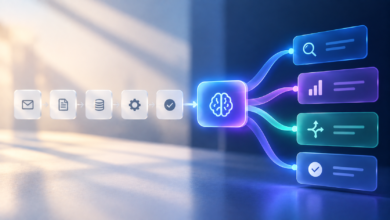
This is where AI can help. Instead of teams spending hours searching through logs, testing different parts of a site and trying to identify the root cause, AI-assisted tools can surface unusual behaviour, point to likely causes and give teams a clearer place to start. It doesn’t remove the need for people to manage a website, but it can help them understand what is happening faster and act before a small issue has a bigger impact.
Why are more organisations choosing managed hosting?
As businesses and agencies manage more websites, they also take on more of the work that comes with keeping them running. Hosting infrastructure needs to be maintained, performance monitored, security managed and technical issues investigated. Doing all that across a growing portfolio can quickly take time away from building sites, serving customers and growing the business.
Managed hosting itself is becoming more proactive. AI-assisted monitoring and diagnostics can help surface unusual behaviour, narrow down the likely cause of a problem and give teams more useful information when something needs their attention. Rather than waiting for a customer to report that something has gone wrong, teams have a better chance of identifying and resolving issues earlier.
AI has changed what’s possible when it comes to building websites. It hasn’t changed what’s required to keep them running well. The organisations that get the most from AI won’t be the ones launching the most websites. They’ll be the ones putting just as much thought into what happens after launch. That means investing in reliable infrastructure, keeping on top of maintenance and using AI to understand and resolve issues before they have a wider impact. Proactive operations will be what separates the websites that simply exist from those that consistently deliver for businesses and their customers.