For most of the history of entertainment, the way we approach storytelling has remained largely the same. A writer writes, a director directs, a performer performs, and an audience watches. It’s linear. Even in interactive entertainment, the story follows a set narrative and doesn’t move beyond it.
But, in today’s society, audiences expect personalisation. A generation raised on social media platforms and video games is increasingly uncomfortable with the idea that entertainment should simply happen to them; they expect to choose, comment, and influence it.
AI has the potential to turn that expectation into a reality, by enabling an entirely new form of storytelling.
The next evolution in entertainment
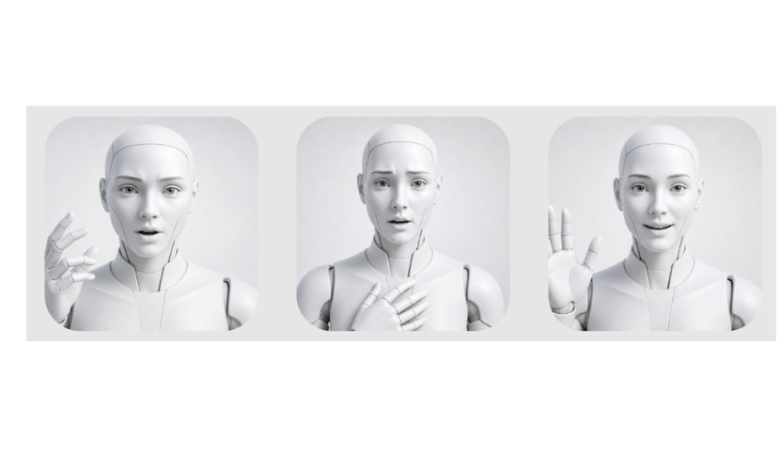
With the launch of new technologies like Digital Actor tech,which turns non-player characters (NPCs) into AI-native characters with memory and emotions, we are moving towards entertainment in which the audience doesn’t just consume the content, they actively participate in it in real time.
For example, a traditional NPC has a finite set of lines and responses. An AI-native character, however, can listen to you, understand what you say, remember what you have done in the game so far and respond accordingly.
As such, the world created is no longer a fixed sequence of events, it’s responding to your presence within it while still working its way towards the director’s intended outcome. This changes immersive entertainment as we know it, ushering in the next evolution to meet the shifting demands of the consumer.
However, that’s not to say that AI should be left alone to decide the fate of immersive storytelling; that is how you generate AI slop that gives genuine AI-storytelling use cases a bad name.
The challenge for creators utilising AI-native characters, Digital Actor technology, or any other form of AI for immersive storytelling will be to keep humanity at the centre. Preserving the authorial intent is of course a critical part of that creative journey too.
Innovation versus replacement
A great example here is the difference between AI generated actors and AI-native characters.
The former still follows a linear model: the film creators have the script, they have the story, and they’re adding a digital actor or synthetic performer into an already established way of working. They’re replacing the human.
For AI-native characters in gaming and immersive environments the opposite is happening. The AI-native character is creating an open-ended, non-linear experience that didn’t exist before. They’re innovating a new storytelling medium.
You could even go as far to say that this approach requires even more human input, because the creator is making a character that doesn’t just react, it responds. Writers, directors and other creatives are therefore authoring two things at once: the persona (who the character is and how it responds), and the shape of the story (the marks it must hit).
And this in turn means the experience becomes designed around you and how you want to play that game, or involve yourself in that experience, adding another element of human in the loop that didn’t exist before.
Looking ahead
But the implications for AI-native characters extend far beyond games. Imagine immersive theatre performance where performers can respond to every audience member differently; films that adapt around the viewer; or theme-park experiences whose characters remember previous encounters.
This does not mean the death of traditional entertainment. Film did not eliminate theatre, just as games did not eliminate books. New mediums expand the creative vocabulary available to us.
Ultimately, AI gives creators more techniques for their toolkit, enabling them to make the more personalised and immersive entertainment experiences people want.