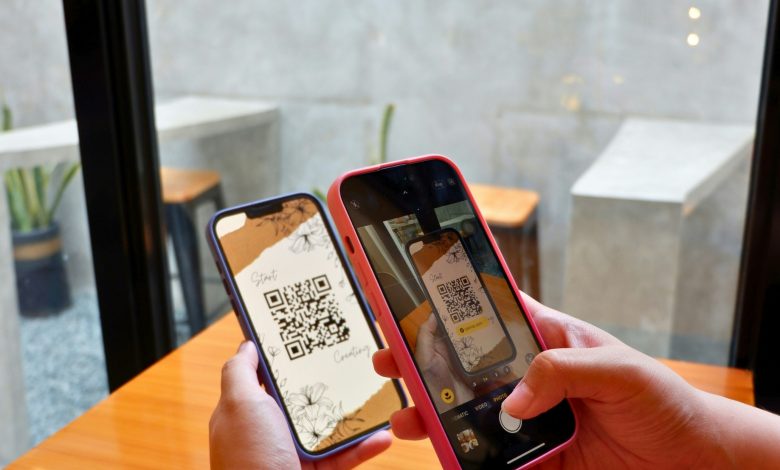
Before long, all products will come with a QR code thanks to initiatives such as GS1 Sunrise, which is encouraging widespread adoption by 2027, and Digital Product Passports, currently rolling out in the EU. Brands should see this as far more than a compliance requirement or packaging update. It represents an opportunity to create direct and lasting consumer relationships through the product itself.
The first question any brand should ask is not “How do we implement QR codes?”, but rather: “How does this create real value for consumers?” Always bearing in mind where they are looking to connect with them: whether it’s in the middle of a packed supermarket or browsing luxury goods in a high-end store. The reality though is that many QR code integrations fail to provide real utility and convenience to shoppers.
At best, you might get a promotional landing page created as a web team’s under-resourced side project that’s then quietly abandoned after poor engagement. At worst, the consumer is sent to an app store to prompt a download that just isn’t going to happen during their busy shopping trip.
I’d guess the percentage of shoppers who pick up a product and think, “I’d love to visit this brand’s website”, is very low. But most of us will have pulled out our phones mid-shop for other reasons, whether it’s to research a product, check ingredients for a recipe, or compare prices to other retailers.
We all occasionally need extra information on products and the brands behind them as evidenced by research highlighting that more than three-quarters of US consumers consider such information important for making a purchase, and 79% are more likely to buy products that provide it via QR code. There just hasn’t been a standardised and convenient way to deliver truly useful connected packaging interfaces. That’s set to change, thanks to GS1 Sunrise and Digital Product Passports and, just as importantly, the proliferation of AI-powered chatbots or better AI-powered product assistants.
Why search for information when you can just ask?
Sometimes shopping is retail therapy, sometimes it’s chaos. If you’re using a smartphone in one hand with a basket in the other while trying to rein in bored children, the last thing you want is a poor user interface. However, a simple text box that you can type or dictate into and immediately get the answers you need can easily be juggled alongside whatever else is commanding your attention.
Getting information through dialogue is simply more natural and intuitive, as we’ve seen in the rapid uptake of chat interfaces across software and the internet. After all, communication via speech or writing is near-universal. It’s deeply ingrained in us as humans in a way that prodding a touch screen is not.
This is why AI-powered product assistants are the ideal companion to QR codes. Trained exclusively on a brand’s own information resources, they can respond to any question a shopper might have about a product without any risk that they might be misinformed by third-party sources. Queries about allergens, ingredients, instructions, and recipes can be answered accurately and immediately, while the item-specific nature of QR codes means information such as origin, authenticity, and use-by date can be surfaced too.
Chat interfaces are also incredibly lightweight and able to easily load on a shopper’s device, even if it is low powered or in poor network conditions, unlike asset-heavy brand websites or apps. In one tap, shoppers can go from holding a product to learning about it through simple natural language exchanges.
This AI technology creates a marketing channel that doesn’t feel like one
As Digital Product Passports roll out, eventually all products will have QR codes integrated as standard; not just on the box, but on the item itself. In addition to securing regulatory compliance and providing mandated materials such as manuals and safety information, ubiquitous QR codes create an enduring touchpoint with customers that extends far beyond the point of sale.
When you combine Digital Product Passports with AI, customers get a permanent and immediately accessible product assistant that’s available to them 24/7 via a simple scan. An AI product assistant can remember prior interactions, building a unique profile of the user that is aware of their requirements, the ways they might have used the product before, and any troubleshooting issues they may have encountered. Its “personality” can even adapt to how the customer interacts, turning a chatbot into a unique product companion and brand advocate.
Such chatbots are creating a brand-new marketing channel, enabling brands to gather valuable intelligence on their customers and keep them informed of new products, features, or services. Updating a chatbot’s knowledge is a simple matter of uploading new materials for it to pull from, while agentic integrations can provide consistent, automatic connectivity with value-adds such as loyalty schemes or exclusive memberships.
Because these QR codes are item-specific, they also provide brands with a touchpoint in second-hand markets where they wouldn’t normally be present, an important consideration at a time when cost and sustainability concerns are pushing more shoppers to buy used items.
Of course, shopping for second-hand products comes with the risk of buying counterfeits, especially for luxury products. One of the benefits of Digital Product Passports is product traceability, allowing consumers to verify that an item is authentic. If a shopper scans a pair of luxury shoes to confirm they’re real, the brand’s chatbot can verify their authenticity and then open the door to further interactions.
The chatbot could offer exclusive online discounts, tell the story behind the item’s creation, or use their IP address to let them know about a nearby boutique or pop-up shopping event in their area. By keeping communication alive through a chatbot, brands have a touchpoint to convert a second-hand luxury shopper into one who buys direct, without having to rely on any external channels.
QR codes don´t fail because of the technology. They fail because too many experiences still lead to dead ends. The next generation of product experiences will feel less like marketing campaigns and more like intelligent product interaction. As conversational AI becomes increasingly embedded into products, QR codes are evolving from passive links into dynamic consumer experiences – creating a far more natural connection between physical products, digital interaction, and brand relationships.