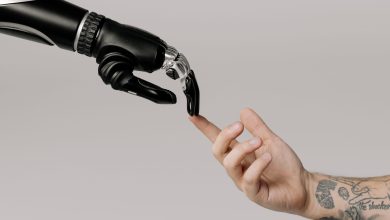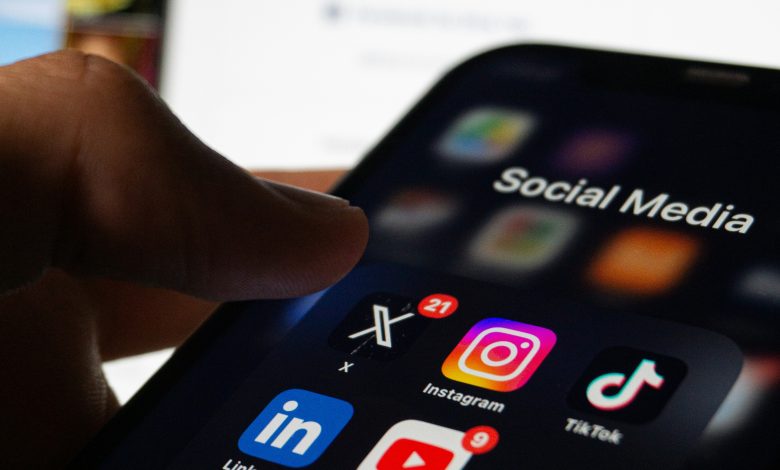
Tech brands and digital platforms are the most influential in the world. This is not because they dominate media attention but because they underpin the structure of our media and information ecosystems. With the rise of LLMs and AI driven search and visibility this is only set to deepen.
New analysis puts numbers behind that reality. The ten organisations that most shape public culture and drive the flow of information worldwide are all tech brands: YouTube, Google, Instagram, Facebook, LinkedIn, Apple, Amazon, Microsoft, TikTok, and ChatGPT.
The presence of ChatGPT in that list for the first time is not just a milestone for OpenAI. It signals that the structural concentration of influence at a global level that has defined the technology landscape is now entering its AI-driven era.
Tech platforms and media merge
These platforms are no longer simply distribution channels; they increasingly function as the infrastructure through which information is discovered and understood. They determine what content is surfaced, how it’s ranked, and what gains momentum at a scale no previous generation of media companies could match.
This creates a self-reinforcing dynamic. Influence is no longer determined by who produces the most content, but by who controls how it’s discovered and interpreted. A story that never surfaces on these platforms reaches a fraction of its potential audience; one that gains traction can reach a billion people before most newsrooms have filed their first dispatch.
Artificial intelligence is accelerating this shift further. The entry of ChatGPT into the top ten, alongside the rise of AI-driven search and discovery, means the interpretation of information, not just distribution, is increasingly concentrated. When AI summarises the news or answers questions directly, the values embedded in those systems begin to matter in more concrete ways.
Influence, scrutiny, and the sentiment ceiling
The data reveals a tension at the heart of this concentration, the platforms with the most influence are not the most acclaimed. Several of the most influential brands on the planet record average positive media sentiment: Google at 53%, Facebook at 51%, TikTok at 58%, Apple at 58%. Regulatory pressure and ongoing platform governance debates have created what the report calls a “sentiment ceiling,” where visibility and trust begin to move in opposite directions.
That divergence is telling. It shows that the public and its regulators are increasingly alert to the questions this concentration raises. Audiences may have reservations about Facebook and still have no comparable alternative for staying connected with family abroad. They may be cautious about Google and still depend on it for the majority of their searches. Scrutiny and structural change, it turns out, are not the same thing. In AI-driven environments, this dependency is being reinforced rather than reduced, even as trust becomes more fragile.
Why challengers are not yet shifting the balance
For all the investment flowing into alternative tech platforms, the data suggests the structural gap between challengers and the established top tier is not narrowing. Onclusive analysed Reddit, Perplexity AI, Bluesky, Snapchat, and Quora and the gap is still structurally wide.
ChatGPT sits at the bottom of the top ten with a Global Influence Score of 135. Reddit, the strongest of the five challengers and 44th overall, scores 53, less than half. The gap between the lowest-ranked top-ten brand and the strongest alternative is itself striking. Instagram’s Media Score alone is 192 out of 200, while Perplexity’s total Global Influence Score is 36. These are not brands competing for the same ground, but operating in entirely different registers of influence.
The rest of the challenger picture reinforces the point. Bluesky, which generated substantial coverage on the back of the mass departure from X, scores 20. Snapchat, despite accumulating 8.2 million social mentions, scores just 6; a reminder that volume without sentiment conversion rarely translates into lasting influence. Quora on the other hand scores 0.7.
Perplexity AI is a partial exception. Its CEO, Aravind Srinivas, generates influence beyond the company’s current size, and its media sentiment of 69% outperforms Google, Apple, and TikTok, a sign it’sparticipating in the right conversations even if it’s yet to peak.
The story of AI and influence in 2026 is less of disruption and more of absorption. The same platforms that have defined global information flow for the past decade are also the ones setting the terms for how AI discovery works, and the data shows the gap between them and everyone else is not closing.
What that means for the broader AI ecosystem is a question regulators and stakeholders are only beginning to properly reckon with. But the concentration is real, and so is the opportunity for those who understand how influence operates within it. The platforms and voices that build credibility within this landscape rather than around it will be the ones best placed to shape what comes next.