

What Are the Best Fog Lights
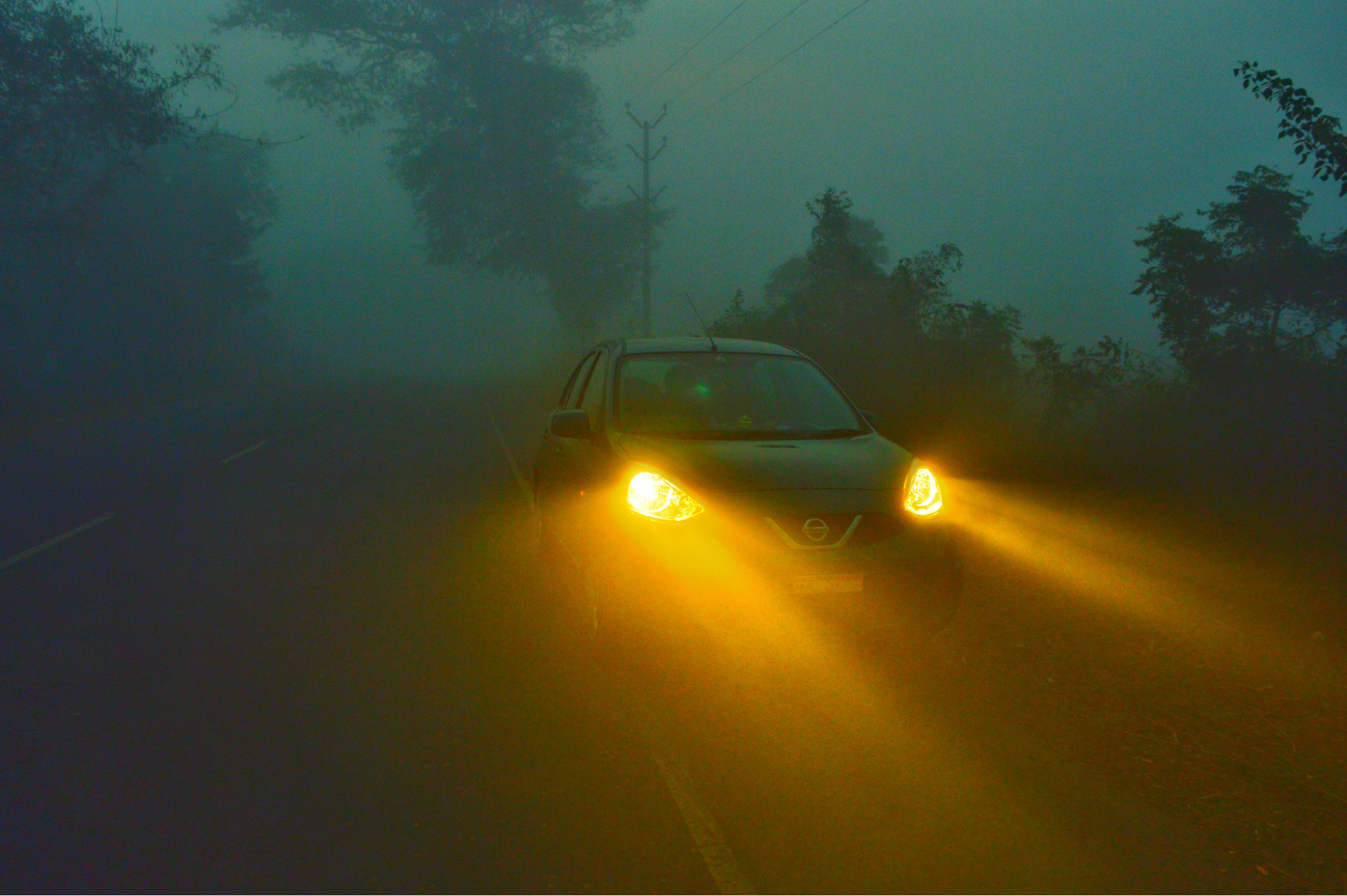
You never think about fog lights… until you actually need them. Then it hits you—your regular headlights barely light up the road, and that small yellow beam low on your bumper suddenly feels crucial. People often ignore fog lights, but in heavy rain or thick fog, they can change the whole driving experience.
But here’s the thing: not all fog lights are useful. Some just give a weak glow that doesn’t cut through anything, while others are so bright they blind the person coming the other way. Picking the right one isn’t just about “the brightest bulb wins.” You need the right beam spread, the right colour, and a bulb that can handle water, dust, and bumps.
If you want to avoid guessing and frustration, SEALIGHT’s fog light bulb collection makes it simple to find bulbs that actually fit your car and do their job.
LED vs Halogen vs HID Fog Light Bulbs
Are fog light upgrades reliable? Short answer: yes—but only if you don’t just grab the cheapest bulb you see.
Stock halogen fog lights get the job done, but they’re dim, yellow, and often struggle in really thick fog or rain. Swapping them for LEDs or HIDs can make a huge difference—but only if the bulbs actually fit your housing and don’t throw off the beam.
LEDs are great because they’re bright, use less energy, and last for years without fading. They also make the road easier to see without straining your eyes. Whiter light reveals road signs and hazards better than yellow halogens.
HIDs can be super bright, but they’re trickier to install and can glare at other drivers if they’re not aimed right. That’s why you see plenty of drivers stick with LEDs—they’re easier, safer, and still a big step up from halogens.
Proper aiming after installation keeps the light on the road surface, not in other drivers’ eyes.
At the end of the day, reliability isn’t about the type of bulb alone—it’s about fit, quality, and proper installation. A well-made LED or halogen upgrade will usually outperform a cheap HID kit, no matter what the specs say on paper.
Common Fog Light Problems
Even good fog lights can flop if they’re not installed right. Drivers often notice things like:
- They look bright sitting in the garage, but on the road? Nearly useless.
- Light spreads weirdly, leaving dark spots where you actually need to see.
- The colour is all wrong—too white or too yellow—and it either blinds you or makes visibility worse.
- Bulbs burn out or flicker too soon because the design is cheap, or they overheat. Loose mounts cause vibration failure within weeks. Poor seals let moisture in during car washes.
A lot of the time, it’s not really the bulb’s fault. Old wiring, corroded connectors, or housings that weren’t built for that type of bulb usually cause most of the headaches. Knowing this beforehand can save you a ton of time, money, and frustration.
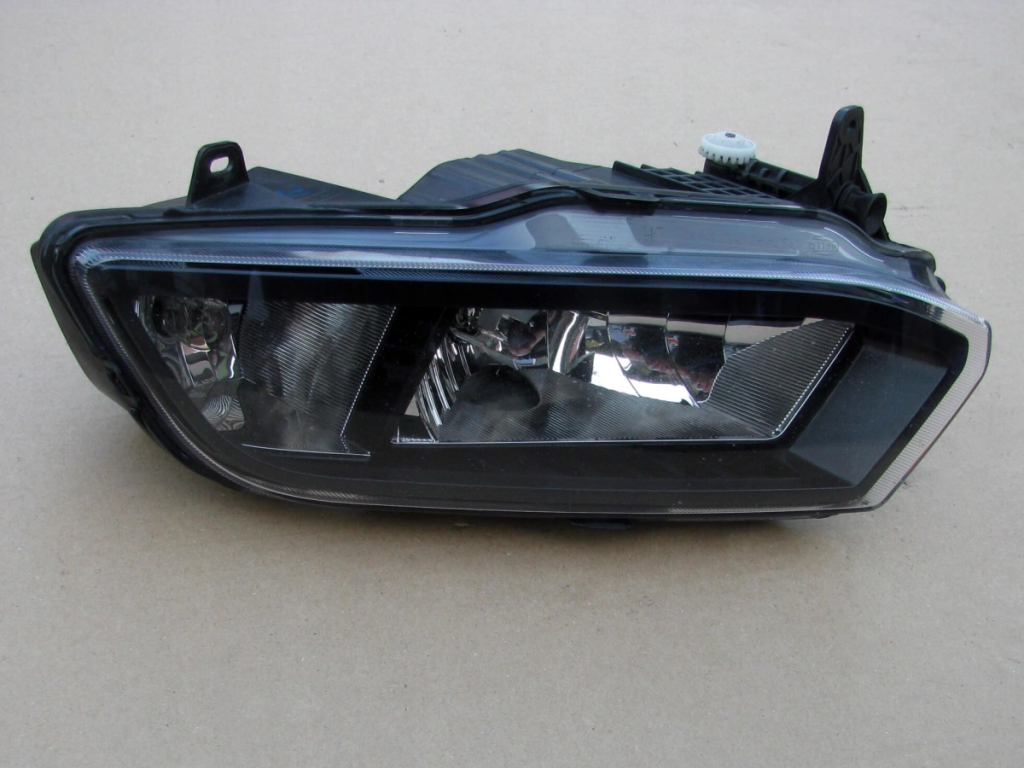 Tips for Choosing the Best Fog Light Bulbs for Your Vehicle
Forums are full of drivers frustrated with fog lights: “My fog lights barely do anything in rain,” or “I swapped bulbs, but nothing changed.” A proper upgrade can fix this, but you need to pay attention to a few key things:
- Beam pattern: Should be wide and low to illuminate the road without blinding others.
- Brightness and colour: LED bulbs in 6,000K give clear visibility; halogen 3,000K–4,000K works best in rain or snow.
- Durability: Weatherproof bulbs (IP65+) handle water, dust, and vibration.
- Compatibility: Bulbs must fit your car’s housing perfectly to avoid flicker or poor light spread. Check CANbus compatibility for newer vehicles.
Here’s a quick look at how fog light types compare:
| Feature | Halogen | LED | HID |
| Brightness | Moderate | High | Very High |
| Lifespan | 1,000-2,000 hrs | 10,000-30,000 hrs | 2,500-5,000 hrs |
| Cost | Low | Medium | High |
| Energy Efficiency | Low | High | Low |
| Installation | Easy | Easy | Complex |
SEALIGHT LEDs offer a precise fit for many popular housings, proper beam control, and consistent performance without glare or flicker.
Conclusion
So, what’s the best fog light? Your car, driving habits, and budget all play a role. Halogens are cheap and simple, LEDs are bright and long-lasting, and HIDs pack a punch but require careful installation.
Test the beam pattern on the wall before road use. Adjust the aim so the top edge aligns with the headlights.
Focus on beam pattern, brightness, durability, and proper installation rather than chasing raw lumen numbers. A well-chosen upgrade makes driving in fog, rain, or snow much safer.
SEALIGHT fog light bulbs are built for real-world conditions, with precise beam control and long-term reliability. If your factory fog lights are letting you down, upgrading makes it simple, safe, and effective.
Disclaimer: Always check local regulations before upgrading—aftermarket fog lights must meet DOT/E-mark standards, be correctly aimed, and comply with any regional restrictions to ensure safe, legal use.

I am Erika Balla, a technology journalist and content specialist with over 5 years of experience covering advancements in AI, software development, and digital innovation. With a foundation in graphic design and a strong focus on research-driven writing, I create accurate, accessible, and engaging articles that break down complex technical concepts and highlight their real-world impact.
More from Balla
See all AI Business Strategy
How Industrial Companies Should Choose a Revenue Operations Consultant: A 2026 Comparison of Six Firms
 AI & Technology
Website Chatbots for Auto Repair Shops
 Automation
Beyond Automation: Why Human Creativity Still Matters in Modern Marketing
 Data
From Pipelines to Products: How Himant Goyal Is Redefining Enterprise Data Strategy in the Age of AI
Recommended for you
More stories Automotive
8 Best Photo Retouching Software for Portrait and Studio Photographers Who Want Their Evenings Back
 Automotive
What Self-Driving Cars Know That Software Engineering Doesn’t
 Automotive
Why software engineering now looks like a factory floor
 Automotive
The Integration of Artificial Intelligence in Modern Vehicle Diagnostics
 AI Business Strategy
AI Adoption Accelerates in Automotive Software Development, but Safety and Complexity Concerns Remain
 Automotive