

The route to becoming the 2026 KPMG Private Enterprise Global Tech Innovator winner is long and winding but worthwhile.
There are regional heats, rigorously assessed, across 2026. Those that win these heats then make a final round, held in Lisbon, Portugal, as part of the broader Web Summit technology conference).
This sees 18 finalists pitted against each other, presenting to a panel of judges from across venture capital, startup accelerators, and entrepreneurial education, including KPMG. All the time, scrutinized on pitch quality, future business sustainability, market potential and how innovative the technology or business model is, in a ‘Dragons Den’ style final heat.
And to complicate matters, and add to the pressure, just before the 2026 final, Storm Charles — which the Portuguese government issues a state of alert for — forced a last-minute venue change from the Web Summit conference venue (which couldn’t be accessed) to the hotel the finalists were all staying at. For the competitors, it was a lot to contend with.
Yet AURIMOD, the Austrian MedTech startup already at the commercial stage for its vagus nerve-stimulating wearable which treats chronic pain, managed to overcome multiple rounds and even the complexity added by the weather, to win.
The Vienna-headquartered startup impressed the five industry-leading judges to be crowned 2026’s KPMG Private Enterprise Global Tech Innovator winner. This followed AURIOMOD CEO & Founder Stefan Kampusch’s impressive and detailed presentation to the judges, as he explained the life-changing potential and market viability of AURIOMOD’s CE-marked wearable, VIVO®, which activates the body’s own pain-regulating mechanisms, offering a drug-free, non-invasive alternative to medication or surgery.
Following the announcement of AURIMOD’s win, Kampusch spoke to The AI Journal, noting the support of KPMG in refining the Vienna-headquartered startup from regional heat to the final, and the importance of having a KPMG-supported booth at Web Summit to talk to investors and potential collaboration partners.
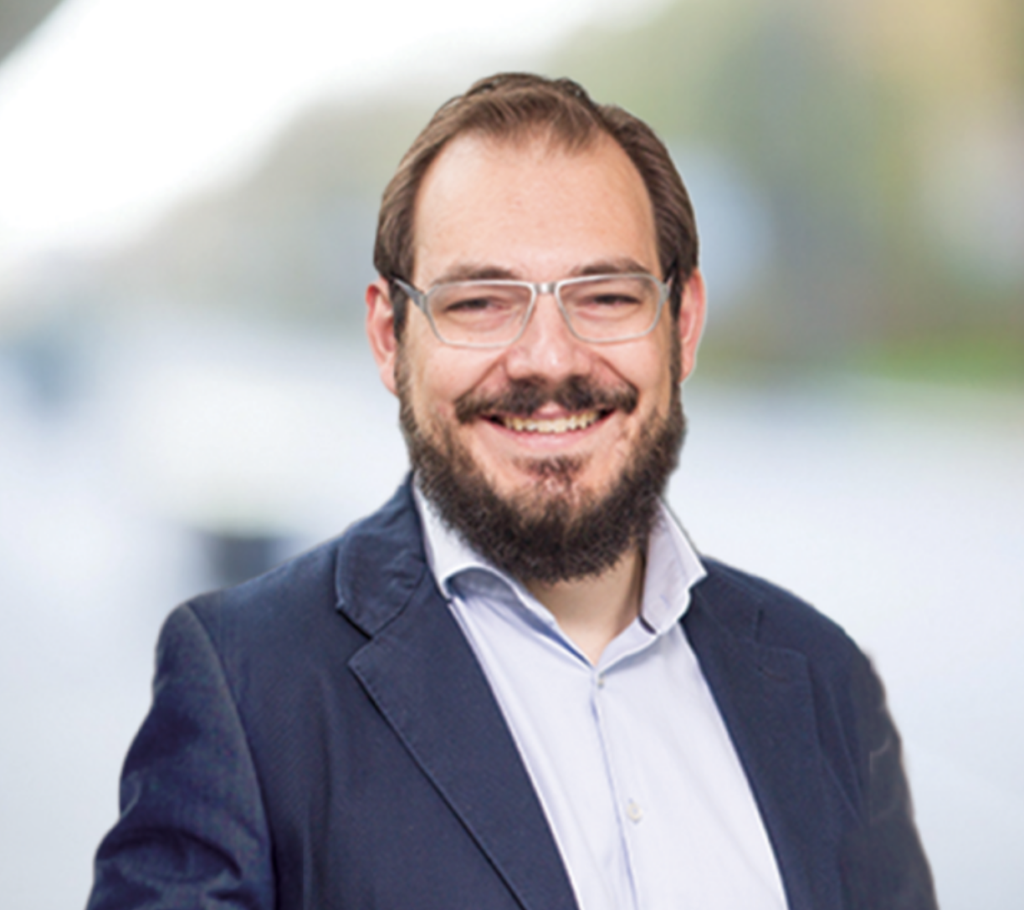
“We are now in scale-up phase…so the [Global Tech Innovation Final] is a great opportunity for us to get worldwide awareness,” Kampusch told The AI Journal. “And the final is fantastic for us to learn from other entrepreneurs who have similar problems to us, and we can learn from each other.
“I also liked learning from other entrepreneurs who have exited their business and have experience in winning funding; that was a big learning [during this experience].”
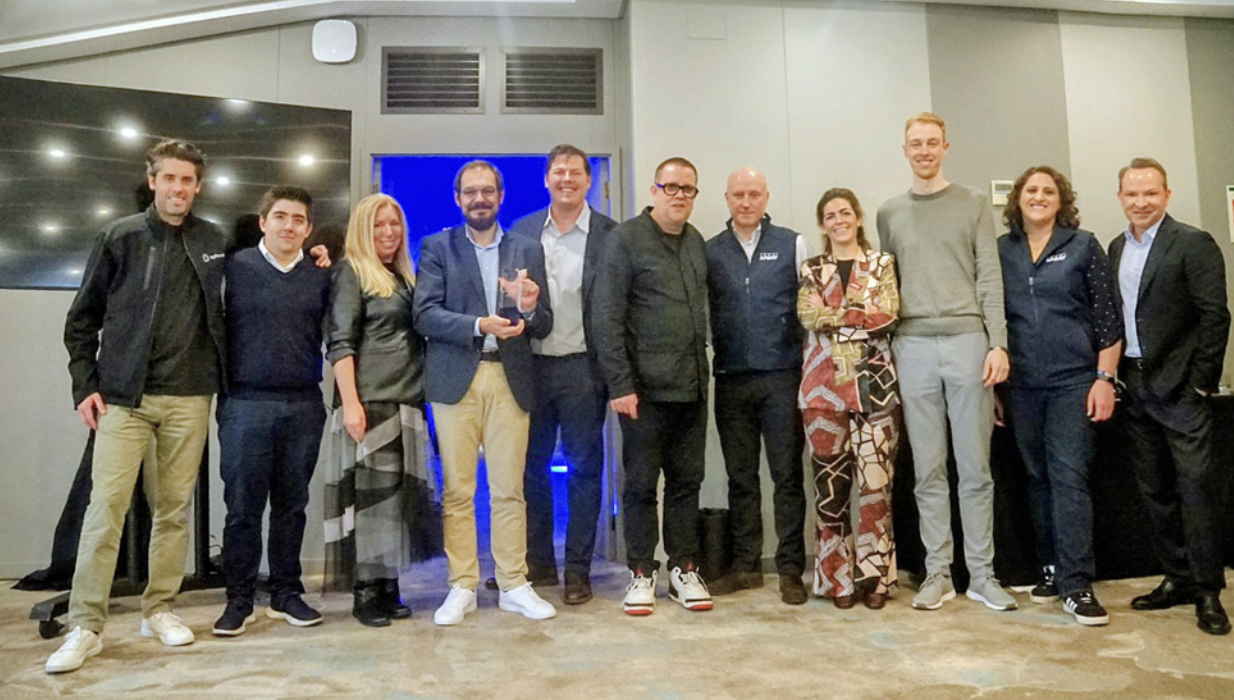
As announced by KPMG Private Enterprise, AURIMOD was followed as winner by first runner-up Tissue Labs, from Brazil, a bio-fabrication startup focused on human tissues for transplants, with engineering of a bioartificial heart as its long-term goal, addressing transplantable organ shortages. The second runner-up was Sphere, the San Francisco startup that automates revenue-based compliance for companies trading across borders.
Nicholas Rudder, CEO & CFO at Sphere, spoke to The AI Journal, explaining that the in-person final is great, not only to increase his facetime with KPMG, who advise the Y Combinator-backed business he helms, but to learn from other finalists and refine pitching through the live stage experience.
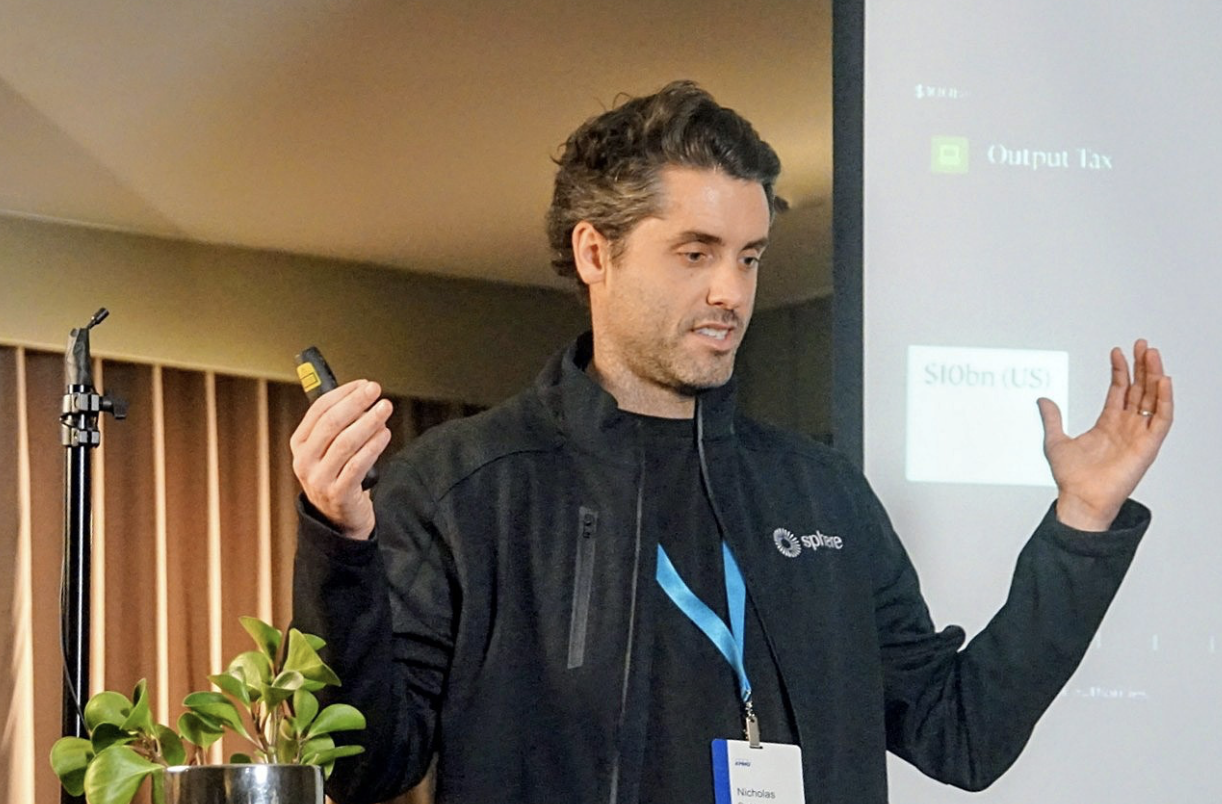
He said: “It’s a great experience. It’s great to pitch on stage, meet other startups from around the world and learn from such different experiences… It’s been great to come out here.”
But the competition was more than just who won on the day. Professor Selwa Al-Hazzaa, founder of Saudi Arabia’s SDM, the health tech startup which specializes in AI-driven tools for diagnosis of chronic diseases, including glaucoma and diabetic retinopathy, sees being a finalist as critically important in boosting their global exposure and reaching more potential investors as they prepare to go to market.
She said: “We acknowledge that as we go from the regional heats to the global final, that will give us visibility, which is critical as we seek investment.”
With finalists given multiple sessions before the final pitching, Al-Hazzaa noted that the incubator-style education given to finalists by KPMG was also a critical facet of the Innovator Tech experience.
“We attended the sessions, which were great in helping to understand how different companies from different parts of the world have different exit strategies, and how investment rounds are different from one region to another,” she said. “For us, this is critical, as we have plans to expand from Saudi Arabia into Africa and the Middle East.”
Chiranjeevi Phanindra B, Founder & CEO at Cosmoserve, the Indian startup which addresses the growing challenge of cleaning up and safely disposing of space debris, spoke to The AI Journal, confirming the same message: making the final of KPMG Private Enterprise Global Tech Innovator gives the startup further visibility, and helped sharpen pitching skills critical for future growth.
He said: “The Indian KPMG team was really helpful in fine-tuning my pitch. Every week we used to have a rehearsal, and then they fine-tuned the pitch, and then helped me in modulating my language and then my body language [for pitching].”
Now, in its sixth year, the KPMG Global Tech Innovator competition has a storied history of giving such a platform (and attendant support) to scaleups and startups from countries across the world. The competition is, as finalists evidence, a useful pathway for startups as they showcase innovations designed to transform industries, empower communities and redefine markets, while also giving investors and media a front-row seat to what the latest growth technologies are.
Anna Scally, the Global Head of Technology, Media and Telecommunications (TMT) for KPMG, told AI Journal that KPMG is proud that the Global Tech Innovator brings together investors and companies from different regions, helping entrants meet people they might not otherwise reach.
She said time and time again, entrants describe the competition as valuable beyond winning, as it offers exposure, networking and a chance to learn from peers. “They get to be in the room with the investors, in the room with the entrepreneurs, and the feedback we get on that is it’s an incredible opportunity,” Scally explained.
“They are incredibly proficient in their area of expertise, but this competition, at Web Summit, gives them an opportunity to demo their wares, meet investors, and get together with other finalists in one place, bringing their innovations to a wider audience.”
The panel of international judges for the 2026 competition included:
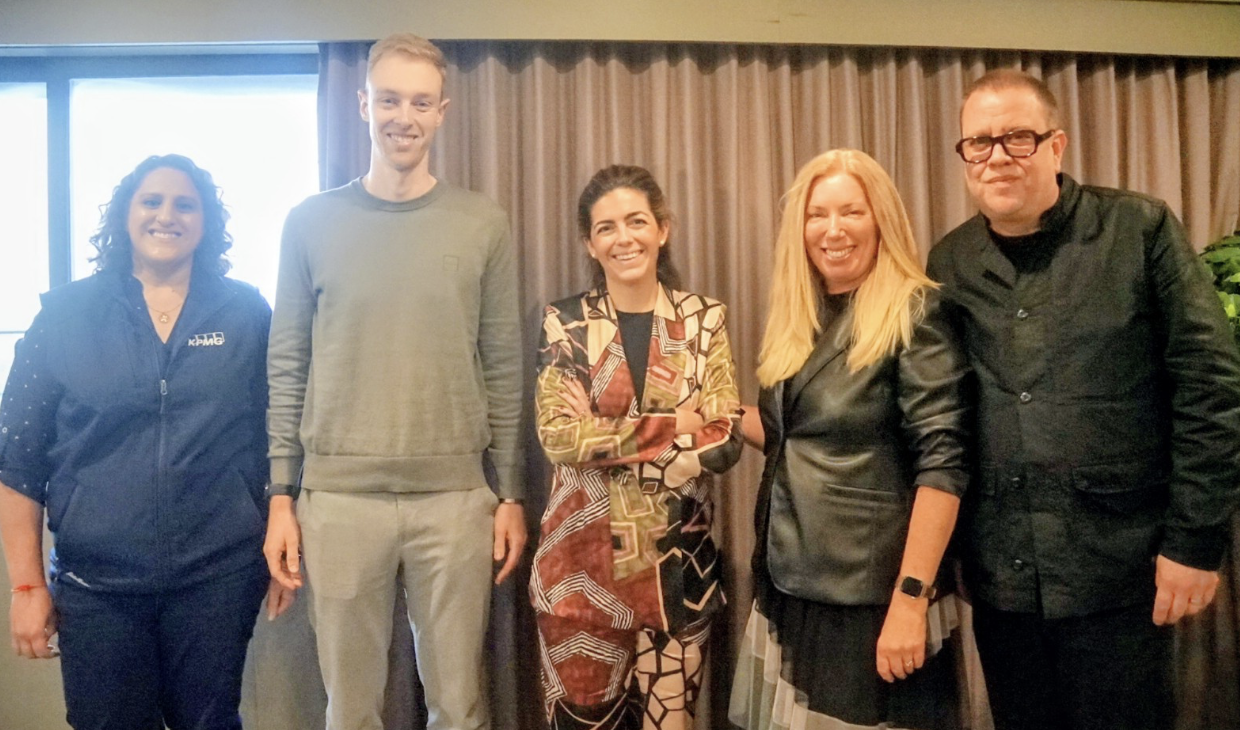
(from left to right)
- Shivani Sopory, KPMG
- Alex Schultz, Plug and Play
- Sara Street, Tomorrow Street
- Nicola Corzine, Nasdaq Entrepreneurial Center
- John Horsley, Path7
The 2026 finalists included:
Finalists below:
Africas: EcoRich
Austria: AURIMOD
Brazil: TissueLabs
Colombia: Kiggu
France: Glanceable
Germany: OroraTech
India: Cosmoserve Space
Ireland: Disseqt AI Limited
Japan: Rainbow Inc
Mexico: Quinta Tech
Netherlands: healix
Portugal: Lampsy
Philippines: Prosperna
Saudi Arabia: SDM
Sweden: AlixLabs
Taiwan: VMFi
UK: Zelim
USA: Sphere

Dan Cave is an award-winning journalist and editor whose work covers tech, culture and the changing world of work. He has written for publications including The Guardian, The Telegraph and UnHerd, and also works as a moderator and content strategist.
More from Dan Cave
See all Innovation Spotlight
The world’s most ambitious tech leaders compete for top honours at Web Summit in KPMG Global Tech Innovator Competition
 Interview
From Enterprise Architecture to Agentic AI Governance: Building Trusted AI at Scale
 Healthcare
AI in the Exam Room: Shifting Care Back to the Patient
 AI & Technology
The new AI superpower most teams are missing
Recommended for you
More stories Future of AI
Cysic CEO Says Paying for an AI Model Doesn’t Prove Your Host Ran It
 AI & Technology
From self-driving excavators to AI leasing agents, proptech’s AI moment has arrived
 AI & Technology
AI literacy shouldn’t begin in the workplace. It should begin in primary school.
 Data
The Data Centre Is Becoming a Product
 AI & Technology
Too often, AI narrows rather than widens access. Here’s how the tech industry can fix it
 AI & Technology