In the current gold rush of generative AI, the industry has largely mastered the art of “saying something.” However, as digital platforms become flooded with computationally perfect prose, the focus is shifting toward “how” something is said. We are entering a period of linguistic saturation where the sheer volume of content is making the unique human voice more valuable than ever before.
The Flattening of Digital Voice
Most Large Language Models are designed to be helpful, harmless, and honest, which often results in a neutralized, “middle-of-the-road” prose style. This algorithmic safety net creates a flattening of voice—a loss of the idiosyncratic rhythms, cultural references, and structural “burstiness” that define expert human writing. For brands and thought leaders, this poses a significant risk: the more they rely on raw AI output, the more they sound like everyone else.
To counter this, the strategic use of a dedicated ai humanizer has become a pivotal step in the modern editorial workflow. It isn’t merely about changing words; it is about restoring the textural depth that machines often strip away during the generation process.
Precision Over Probability
At its core, the drive to humanize ai text is an effort to reintroduce perplexity into a medium built on probability. Human writers do not always choose the most likely next word; they use irony, metaphors, and varied sentence lengths to guide a reader’s emotional journey.
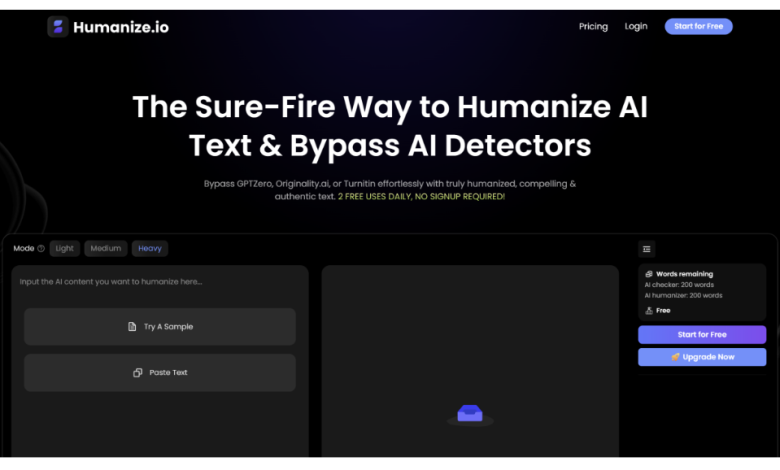
This is where specialized platforms like humanize.io enter the conversation. By analyzing the delta between robotic syntax and natural flow, these tools allow creators to refine their drafts into something that resonates on a visceral level. The goal is to move the content from being a mere data dump to a narrative that reflects genuine authority and lived experience.
The Future of Hybrid Authorship
The most successful content strategies of the next decade will not be those that reject AI, nor those that use it blindly. Instead, they will be built on a hybrid model where AI handles the heavy lifting of research and structure, while human-centric optimization tools handle the “soul” of the piece.
By auditing drafts through an AI checker and subsequently fine-tuning them for naturality, editors can ensure their work meets the highest standards of digital integrity. This process maintains the “Inspiration & Originality” required for meaningful connection, ensuring that even in an automated world, the final word always belongs to the human spirit.
Step 1: Paste your AI-generated draft into the interface.
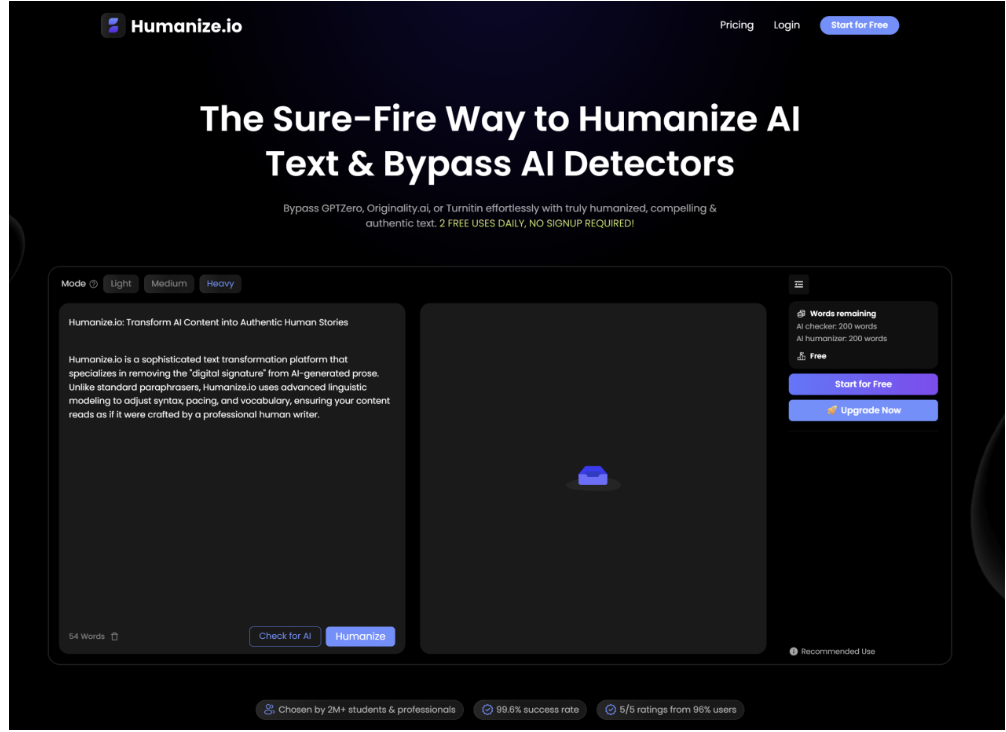
Step 2: Select the “Humanize” mode to trigger the advanced linguistic engine.
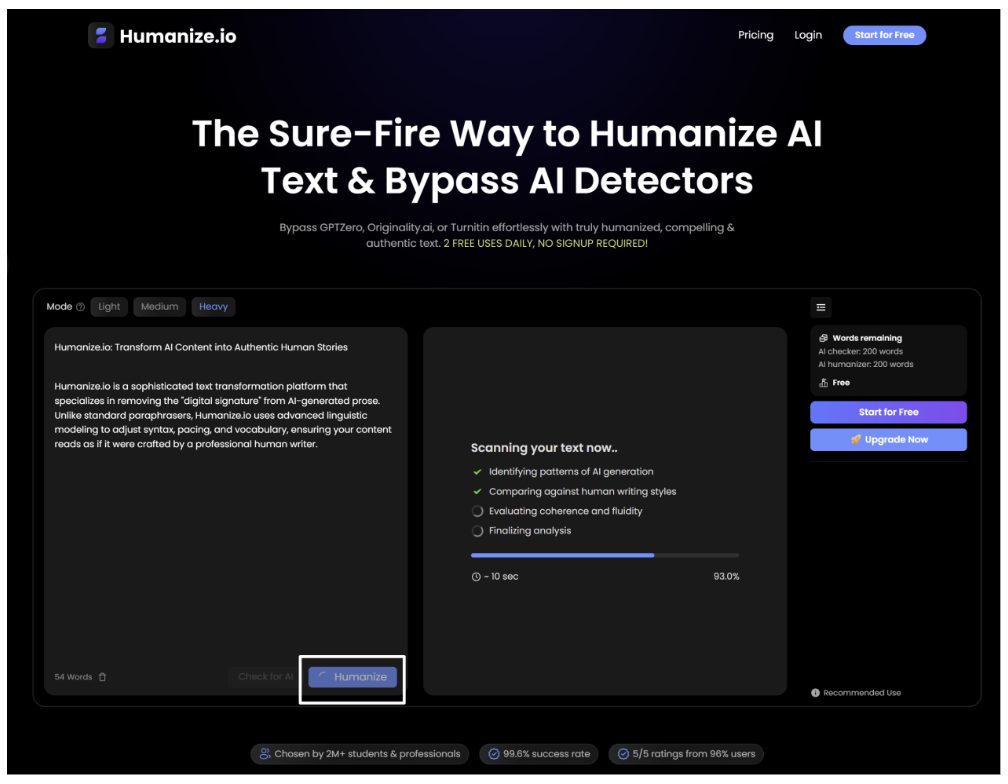
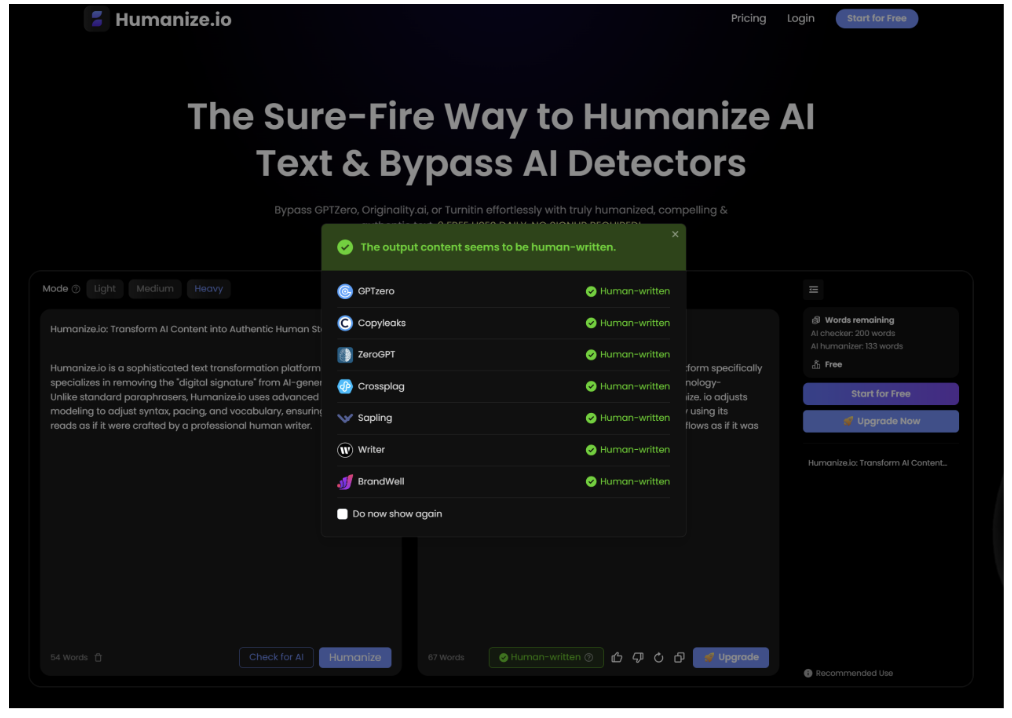
Step 3: Review the output. You’ll notice the “robotic” patterns are gone, replaced by a more natural, engaging tone that preserves your original intent.
As we refine our relationship with generative tools, the distinction between “machine-made” and “human-crafted” will become the primary metric of quality. Investing in the nuance of language is no longer an aesthetic choice—it is a functional necessity for anyone looking to build a lasting legacy in the digital age.