Software teams, it’s fair to say, have mostly stopped debating whether to use AI. Google Cloud’s 2025 DORA report, for instance, found that 90% now use AI at work and more than 80% believe it has made them more productive.
The same research turned up something less comfortable. AI adoption tracked with higher delivery throughput, and it also tracked with lower delivery stability.
According to the above report, AI amplifies whatever conditions a team already has: organizations with strong testing, version control and fast feedback loops absorb the extra volume of change, while teams with slow processes and tightly coupled systems see little gain.
Trust lags too, unfortunately. 30% of DORA respondents reported little or no trust in AI-generated code, even as they shipped more of it. Deloitte’s State of AI in the Enterprise report found that only a quarter of companies had moved 40% or more of their AI pilots into production. Just 30% said they were redesigning key processes around AI, while 37% were using it at a surface level with little change underneath.
Health insurance has particular reason to care about that gap. When the National Association of Insurance Commissioners surveyed 93 health insurers, 84% said they use AI or machine learning in some form, and the NAIC noted those tools show up in student health plans alongside individual and group coverage.
In a regulated business that answers to carriers, state officials and, in student health, college administrators, the harder question is how to build AI into the plumbing without making the plumbing less reliable.
Academic HealthPlans says that is the problem it has set out to solve. The Grapevine, Texas, company, part of the Brown & Brown Team, has administered student health and wellness programs for colleges and universities since 1998. This week it was announced a multi-year partnership with Gorilla Logic, which will serve as its strategic engineering partner on modernizing core platform capabilities, strengthening software delivery and building a more measurable approach to product development and customer service.

The order of operations is worth noticing. Before any new build, the two companies ran an AI-enabled assessment of AHP’s existing technology and engineering environment, pairing AI-assisted analysis with hands-on engineers to find where modernization would pay off most.
The broader program adds governed, AI-enabled engineering workflows and a new metrics framework that tracks development velocity, reliability and predictability. Those are close cousins of the measures DORA uses, and they put stability on the scorecard next to speed.
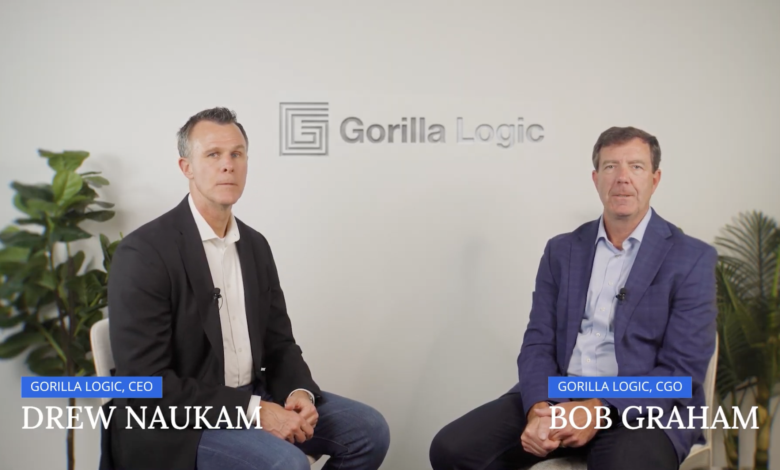
“AI can increase the speed of software development, but enterprise-grade technology still requires governance, sound engineering practices and experienced judgment,” said Drew Naukam, CEO of Gorilla Logic. His firm will also apply Gorilla Logic Construct, its system of reference architectures, accelerators and delivery practices reused across engagements.
For AHP CEO Terry Lyons, the payoff is supposed to reach the schools. “We’re building the foundation that allows AHP to move faster, make better use of our data and continue delivering the level of expertise and service our clients expect as we grow,” he said.
The company expects the work to strengthen both its platform and its ability to turn data into deeper insight for the institutions it serves.
Student health is an unusual place for this kind of overhaul. Each campus sets its own plan requirements and waiver rules, enrollment turns over every fall, and many of the people with questions are students handling insurance on their own for the first time. A platform serving that market absorbs a steady stream of change, which is exactly the condition under which DORA found AI most likely to help and most likely to break things.
“Technology is increasingly central to how we help institutions navigate the complexity of student health,” Lyons said. If the metrics framework works as described, AHP will have numbers showing whether its AI investment made delivery faster without making it shakier. Most of the companies in Deloitte’s survey can’t yet say the same.