Streaming video generation is transforming how people interact with digital content. Instead of relying solely on pre-recorded videos or scripted animations, modern artificial intelligence can now generate video responses in real time. This advancement allows digital characters to communicate naturally, respond instantly to user input, and create more engaging experiences across industries. As computing power and AI models continue to improve, streaming video generation is becoming an important technology for customer engagement, entertainment, education, and online commerce.
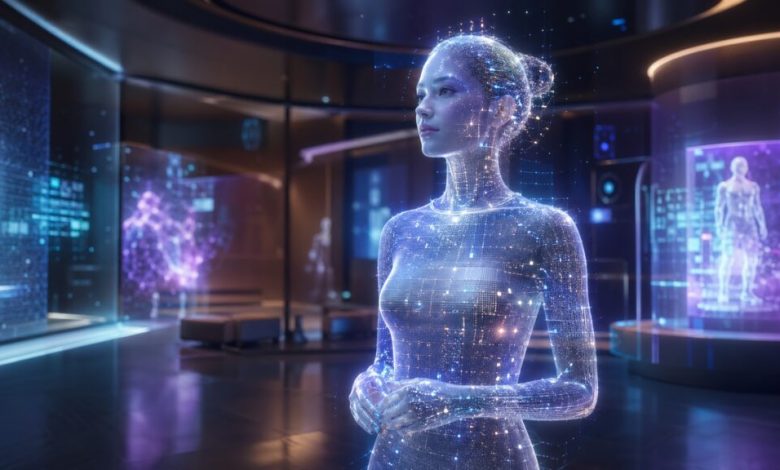
Unlike traditional video production, streaming video generation creates visual content dynamically. AI models process speech, facial expressions, and user interactions simultaneously, producing realistic video output with minimal delay. This technology combines natural language processing, computer vision, speech synthesis, and facial animation to create interactive digital humans capable of maintaining conversations that feel more natural than conventional chatbots.
A key distinction exists between streaming video generation and pre-rendered avatars. Pre-rendered avatars rely on recorded animations or predefined motion sequences. Although they can appear realistic, they cannot respond dynamically to unexpected questions or changing conversations. Their expressions and movements are limited to content prepared in advance.
Real-time interactive digital humans, on the other hand, generate speech, facial expressions, eye movements, and gestures as conversations unfold. Rather than selecting from a library of pre-recorded clips, they produce new visual responses based on live interactions. This enables more fluid conversations and improves user engagement in situations where immediate communication is essential. Developers exploring this technology often integrate services such as a real-time AI digital human API to support responsive video interactions within their applications while maintaining low-latency communication between AI models and end users.
The technology is finding applications across multiple industries. One growing use case involves AI companionship, where digital humans provide conversational interaction, emotional support, language practice, or entertainment. Although these systems are not substitutes for human relationships or professional care, they can offer engaging conversations and personalized experiences that evolve over time.
Virtual idols represent another rapidly expanding application. Digital performers powered by AI can livestream, interact with audiences, answer viewer questions, and participate in entertainment events without relying entirely on pre-recorded performances. This creates new opportunities for content creators while allowing fans to experience more interactive broadcasts.

Businesses are also adopting streaming video generation for AI-powered customer service. Instead of communicating through text alone, customers can interact with digital representatives capable of explaining products, answering frequently asked questions, and guiding users through complex processes using natural facial expressions and speech. Research suggests that visual communication often improves user understanding and satisfaction, particularly for complex information. For additional background on conversational AI research, resources from organizations such as the Association for Computational Linguistics provide valuable insights into ongoing developments.
E-commerce platforms are another area benefiting from real-time digital humans. AI-generated hosts can demonstrate products, respond to customer inquiries during live shopping events, provide multilingual support, and personalize recommendations based on viewer interactions. These capabilities help businesses deliver scalable customer engagement without requiring human presenters to remain online continuously.
Despite its advantages, streaming video generation also raises important considerations. Developers must address issues related to privacy, transparency, data security, and responsible AI deployment. Users should understand when they are interacting with AI-generated content rather than human presenters, and organizations should implement safeguards to reduce misinformation, impersonation, and misuse.
As artificial intelligence continues advancing, streaming video generation is expected to become increasingly sophisticated. Improvements in speech synthesis, facial realism, response latency, and multilingual communication will likely expand its role across education, healthcare, entertainment, business, and customer support. While the technology continues to evolve, its ability to deliver responsive, interactive video experiences marks a significant step forward in human-computer interaction and digital communication.