Making care technology work in real council conditions
Directors of Adult Social Care (ASC) are under intense pressure. Rising demand, tight budgets, workforce fragility and the need to show prevention is more than a good intention. In that context, AI, care technologyand digital tools only matter if they help with real operational problems and lead to better outcomes for people, staff and the council. The latest TEC Outlook 2026 report from PA Consulting and TSA reveals leaders want to move faster, but progress depends on turning interest into day-to-day delivery that helps councils act earlier, make better decisions and manage demand more effectively.
The issue is no longer whether AI has a place in adult social care. It already does. The issue is whether councils can use it safely, proportionately and in a way that helps practice. The value is not in a single tool. It comes from a joined-up model where insight from the home supports better decisions, helps services run more effectively and gives councils a stronger basis for conversations with health partners about discharge, risk and prevention.
AI-enabled care technology works through several layers of support. At the heart is the person-centred care technology used in people’s homes and supporting this are tools that help practitioners make better decisions. Then around that is how the care technology approach is delivered efficiently and reliably. AI-enabled self-serve support is also giving people trusted, tailored advice instantly and helps them get to the right human support more quickly. Together, these layers point to a future where care technology is more personal and preventative because it’s more joined-up.
Earlier intervention, enabled by AI
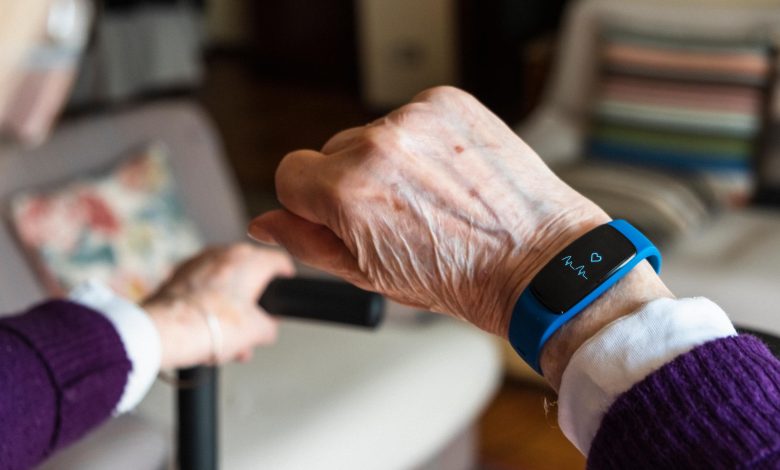
The clearest value is in the home. AI-enabled sensors can build a richer picture of someone’s routine and flag small but important changes in sleep, movement, eating, or time spent in bed or the bathroom. These can be early signs that needs are changing. Used well, this means support can be reviewed sooner and adjusted before a crisis, an avoidable admission or a breakdown in the current package. That matters to people and families. It also matters to councils trying to avoid higher-cost responses later.
A practical example from the PA Consulting-led, Argenti care technology partnership with Hampshire County Council shows why this matters. In one case, a young woman was thought to be pacing around the house at night, which could have led to more intrusive checks. Instead, sensors showed the pattern was linked to family visits. She was not distressed; she was excited and unsettled. A recorded bedtime message, triggered when needed, helped her settle. The response was lower cost, less restrictive and more personal because it was based on evidence rather than assumption.
This is where the opportunity lies. AI-enabled care technology does not replace professional judgement. It strengthens it. For Directors of ASC, that means more proportionate support, a clearer rationale for decisions and a better chance of acting earlier rather than managing failure later.
Supporting frontline practice, not adding to workload
Frontline teams are stretched and often carrying high-risk work with limited capacity. AI helps only if it effectively enhances service delivery. Used well, it can turn data from sensors and connected devices into clear summaries of what is changing and where follow-up is needed. That can help practitioners make decisions faster, avoid overly restrictive responses and focus their time where it makes the biggest difference.
There are early examples of this in practice. One council has developed an AI agent to help practitioners understand which care technology and consumer devices may support different needs and risks.
The gap is not in interest, but in capability. When asked, only 30% of councils said their workforce had a good understanding of how to access the data and insight created by AI-based care technology solutions, or how to use that insight to make better decisions. That underlines that success depends less on the technology itself and more on how well councils support and enable their workforce to use it well. It is a change rather than technology challenge.
The aim is not to automate assessment. It is to help staff get to practical options more quickly so professional judgement is better informed and applied more consistently.
Making the care technology experience smoother
For most councils, the real test is whether the operating model works. Can people access care technology that supports them quickly? Can assessments and installations happen fast enough? Is equipment maintained properly? Can staff get the right advice without delay? AI can support triage, deployment, maintenance and knowledge support, but only if the basics are already under control. This is as much about grip and service discipline as it is about technology.
Integration remains a real barrier. The 2026 TEC Outlook report found that 77% of leaders see poor integration between care technology insight and core case management systems as a major issue. If insight sits outside daily workflows, it will not shape practice at scale. It also weakens councils in conversations with NHS partners and within Integrated Care Systems, where shared ambition too often runs ahead of shared delivery.
Better decisions, better outcomes
AI gives Directors of ASC a credible route to earlier intervention, better use of practitioner time and more proportionate support. But it will only land if the offer is practical. That means providing evidence that staff trust, a workforce that knows how to use the insight, and enough operational grip to embed it in everyday practice. The councils getting traction are treating this as a service change, not a technology project.
Done well, this leads to care that is earlier, more evidence-led and more personal. It can help avoid unnecessary cost, support better decisions and improve outcomes for people.
For councils under sustained pressure, that is the test: not whether the technology is impressive, but whether it works in practice and delivers value at scale.