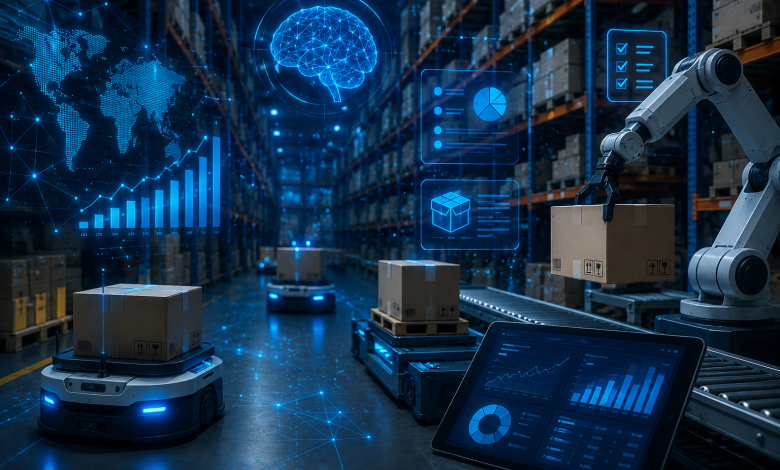
Machine learning used to sound like something locked inside a sci-fi movie or a very expensive tech lab. Now it’s showing up in places that feel much more familiar, like stock rooms, loading docks, and warehouse aisles. If you deal with products moving in and out, this shift matters. Machine learning helps businesses make smarter guesses, catch problems earlier, and keep shelves from turning into chaos. It’s not magic, and it’s not perfect, but it is changing how inventory and warehouse work gets done every day.
Why smarter systems matter
Inventory and warehouse problems don’t stay small for long. One missed reorder can leave customers staring at an “out of stock” notice. Too much product can pile up and eat space like a greedy houseguest. That’s why businesses are paying more attention to tools and training that support modern operations, including a supply chain and logistics management degree online for people who want to understand how goods move from supplier to shelf.
Machine learning fits into this picture because it helps you make better decisions with the information you already have. It looks at patterns faster than a person can and keeps learning as new data comes in. That means you’re not relying only on gut instinct or last month’s numbers. In busy warehouses, that can be the difference between smooth shipping and a full-blown cardboard crisis.
Better demand guessing
Forecasting demand has always involved some educated guessing. You look at past sales, upcoming holidays, promotions, weather, and maybe a few crossed fingers. Machine learning improves that process by finding patterns hidden inside all those moving parts. It can notice that a product sells faster before school starts, slows down during rainy weeks, or spikes after a social media mention.
That matters because better forecasts help you buy the right amount at the right time. If you run a business selling home office gear, for example, machine learning might spot that desk lamps rise in demand every January when people try to become organized legends. You can prepare before the rush instead of scrambling during it.
It also adjusts more quickly when habits change. Traditional forecasting can lag behind reality. Machine learning is better at saying, “Hey, something weird is happening here,” before weird becomes expensive.
Shelves with fewer surprises
Few things are more annoying than having too much of the wrong item and not enough of the right one. Machine learning helps reduce both overstocking and stockouts by tracking patterns in sales, returns, lead times, and supplier reliability. It gives you a clearer picture of what’s happening, not just what you hope is happening.
Say you sell seasonal products. A standard system might reorder based on fixed rules. Machine learning can go further by noticing that one supplier has become slower lately or that certain items move faster in specific regions. That helps you reorder more accurately.
The result is fewer unpleasant surprises on your shelves. You don’t tie up money in products that sit around collecting dust like tiny warehouse statues. At the same time, you lower the odds of running out when customers are ready to buy. That balance is where inventory starts feeling less like a guessing game and more like a plan.
Picking gets faster
Warehouse picking sounds simple until you see how many steps, turns, and tiny decisions are packed into one shift. Machine learning can make this work faster by improving picking routes, suggesting better item placement, and reducing wasted movement. In plain terms, it helps people spend less time zigzagging around the building like confused shopping carts.
If fast-moving items are placed closer to packing stations, workers can grab them quicker. If certain products are often ordered together, machine learning can recommend storing them near each other. Over time, those little changes save a surprising amount of time.
It can also cut down on mistakes. When systems learn which products are commonly confused or which steps tend to create errors, managers can adjust layouts and workflows. That means fewer wrong picks, fewer returns, and fewer “how did this end up here?” moments. For busy teams, smoother picking doesn’t just improve speed. It also lowers daily frustration.
Maintenance before breakdowns
Warehouse equipment rarely picks a convenient time to fail. A conveyor belt doesn’t wait until everyone is relaxed and fully caught up. Machine learning helps by spotting warning signs before machines break down. This is called predictive maintenance, but the idea is simple: catch trouble early.
Sensors and software can track things like temperature, vibration, and usage patterns. If a forklift battery starts behaving oddly or a sorter begins slowing down in a familiar way, the system can flag it. That gives your team time to inspect or repair the equipment before it shuts the whole operation down.
This matters because downtime is expensive. It delays orders, stresses staff, and throws off the day’s schedule. Planned maintenance is usually much easier to manage than emergency repairs. Think of it like hearing your car make a weird noise and fixing it before the smoke joins the conversation. In a warehouse, that kind of early warning can keep everything moving.
What businesses should watch
Machine learning can be helpful, but it’s not a magic wand you wave over a messy warehouse. If your data is inaccurate, outdated, or incomplete, the system may learn the wrong lessons. Bad data in often means bad decisions out. A fancy dashboard can still point you in the wrong direction if the numbers behind it are shaky.
Training matters too. Staff need to understand what the system is doing and when to question it. If workers don’t trust the recommendations, they may ignore them. If they trust them too much, they may stop using common sense. Neither option is great.
There’s also the cost of setup, software, and process changes. Smaller businesses may need to start with one area, like forecasting or maintenance, instead of trying to automate everything at once. The smart move is usually steady progress, not a dramatic overnight transformation worthy of a warehouse makeover show.
Where this goes next
Machine learning will likely keep getting better at handling the messy middle of inventory and warehouse work. You can expect faster forecasting updates, more responsive storage layouts, and systems that adapt more quickly when buying habits change. As tools improve, even mid-sized businesses may be able to use features that once felt out of reach.
Still, people will remain a big part of the job. Software can spot patterns, but it doesn’t understand every business goal, customer expectation, or real-world curveball. A late supplier, a surprise trend, or a local event can shift demand in ways that still need human judgment.
That’s probably the most useful way to think about machine learning. It’s not replacing smart teams. It’s helping them make better calls with less guesswork. When used well, it turns warehouses into places that feel less reactive and more prepared. And in a world full of moving boxes, being prepared is kind of a superpower.