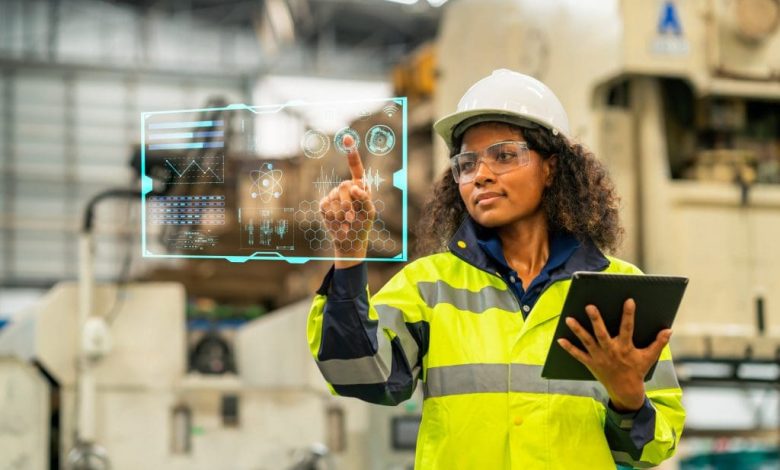
Industrial operations have absorbed new technology before. Distributed control systems, programmable logic controllers, remote monitoring platforms — each of those transitions came with a learning curve, a period of skepticism, and eventually a new operational baseline. AI is following a similar arc, but with one meaningful difference: the accountability question.
When a PLC executes a setpoint change, the engineer who configured it is accountable. When an AI system recommends or executes an action, the line of accountability is less obvious. That ambiguity is not a philosophical concern. For operations leaders managing continuous industrial processes, it is a practical one. The question is not whether AI is useful. The question is who answers for it when something goes wrong.
The Accountability Question Is New, But the Instinct Isn’t
Industrial operators have always cared about control authority. The systems that have earned trust in critical environments share a set of common properties: they behave predictably, their outputs can be traced, and a human can override them. A pressure relief valve trips at a defined setpoint. A compressor interlock shuts down on a defined condition. The logic is visible, the thresholds are documented, and when the system acts, an operator can understand why.
AI introduces a different kind of logic. The outputs of a well-trained model can be highly accurate, but the path from input to recommendation is not always transparent in the way that hardcoded control logic is. For an operator managing cold chain temperatures, refrigeration loads, or processing equipment, that difference matters. A control action that cannot be explained after the fact is a liability — not because AI is inherently untrustworthy, but because industrial operations require auditability as a baseline condition of responsible management.
This is why accountability conversations in industrial AI tend to focus less on capability and more on governance: who configured the system, what constraints it operates under, who can override it, and how its actions are logged.
Where Industrial AI Is Currently Being Deployed
The deployments gaining traction in industrial environments tend to share a common profile. They are narrow in scope, operate within defined parameters, and augment human decision-making rather than replace it. Predictive maintenance, energy optimization, alarm management, and anomaly detection are the use cases attracting the most production deployments — not because they are the most technically complex applications of AI, but because the value is measurable and the risk boundary is clear.
In these applications, the AI system is recommending or surfacing information, and a human is deciding whether to act. That structure is deliberate. Operations leaders who have moved AI from pilot to production consistently describe the same selection criterion: the system has to fit within existing control authority structures, not around them. A recommendation that sits outside the operator’s normal decision space creates more friction than value.
The deployments that have stalled tend to share a different profile: broad scope, unclear ownership of outputs, and no defined path for an operator to understand or challenge what the system is doing. The accountability gap is not a technical failure. It is a governance failure.
What Operators Mean When They Ask “Who’s Responsible”
When an operations director asks who is responsible for an AI-driven control action, they are usually asking several questions at once. Who validated the system before it went live? What constraints does it operate within? If it recommends something that causes a problem, who owns that decision — the vendor, the platform team, the operator who approved the deployment, or the operator who did not override the recommendation in time?
Those questions do not have clean universal answers, which is part of why accountability has become a central concern as organizations deepen their adoption of AI in industrial automation. The facilities that have worked through this tend to arrive at a similar framework: the AI system operates within defined permissioned boundaries, its actions are logged at the equipment level, and a human with appropriate authority can override or suspend it at any point. The AI does not own a decision. It informs one.
Key Insight The industrial AI deployments earning operator trust share a common design principle: the system surfaces intelligence within defined control boundaries, and a human retains clear authority to act or not act on every recommendation.
That framing shifts accountability back toward people and processes rather than technology. It also clarifies what the technology needs to deliver: not autonomy, but visibility, with enough transparency in its outputs that an operator can evaluate a recommendation rather than simply accept or reject it.
Governance Frameworks Are Starting to Catch Up
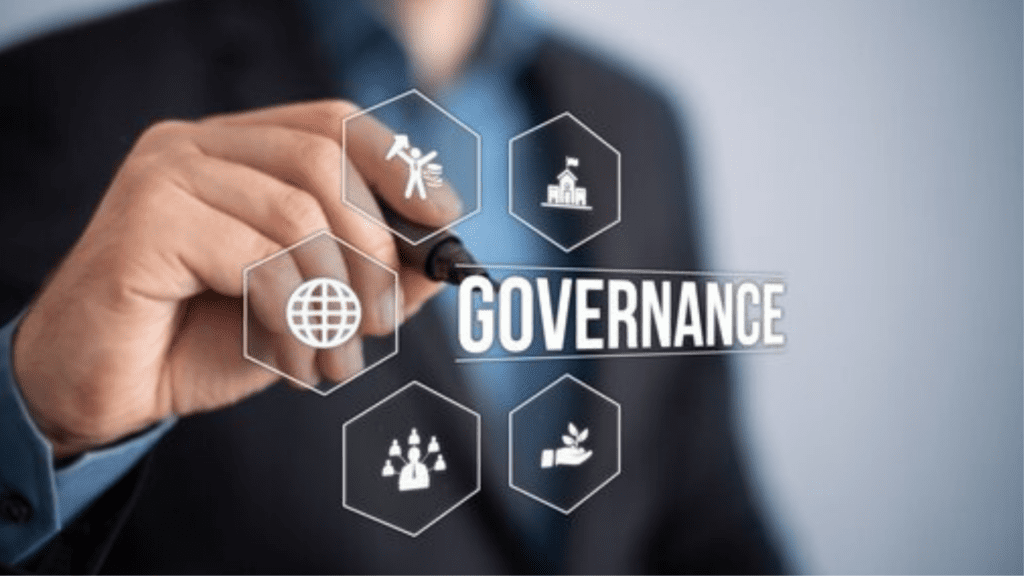
The governance infrastructure for AI in industrial environments is still developing, but it is developing faster than most operators expected a few years ago. NIST has been building out its AI Risk Management Framework to address high-stakes deployment contexts specifically. The agency is actively developing an AI RMF profile for trustworthy AI in critical infrastructure, designed to give operators in industrial, OT, and ICS environments structured guidance for deploying AI in ways that are accountable and auditable across the full system lifecycle.
The framework’s core structure — Govern, Map, Measure, Manage — maps reasonably well onto the concerns industrial operators are already raising. Governance asks who owns the system and what constraints it operates under. Mapping asks where the risk is and who is affected. Measurement asks how performance and risk are tracked over time. Management asks how identified risks are addressed. None of those steps are foreign to operations teams that have managed process safety, equipment reliability, or compliance obligations. What the framework does is apply that same rigor to AI systems specifically.
Separately, the ISA has been expanding its industrial cybersecurity standards to address AI-related risk in operational technology environments. The ISA/IEC 62443 standards and related technical reports published in 2025 provide guidance for asset owners and operators on building security programs that manage cyber risk — including the risks introduced by AI systems — across industrial automation and control system environments.
The Standard That Matters Is Operational, Not Theoretical
Frameworks provide structure. What actually builds operator confidence is a track record. The AI systems earning sustained trust in industrial environments are the ones that have been validated against real operating conditions, have demonstrated consistent behavior within defined parameters, and have given operators enough transparency to understand what the system is doing and why.
That standard is not unique to AI. It is the same standard applied to any control system that touches critical infrastructure. The technology is different. The governance instinct is the same: if you cannot explain it, trace it, and override it, it does not belong in a production environment.
The operators working through AI accountability are not resistant to the technology. They are applying the same discipline that has made their operations reliable in every other domain. The AI deployments that earn a permanent place in industrial operations will be the ones that meet that standard — not by asking operators to lower their expectations, but by building systems capable of meeting them.