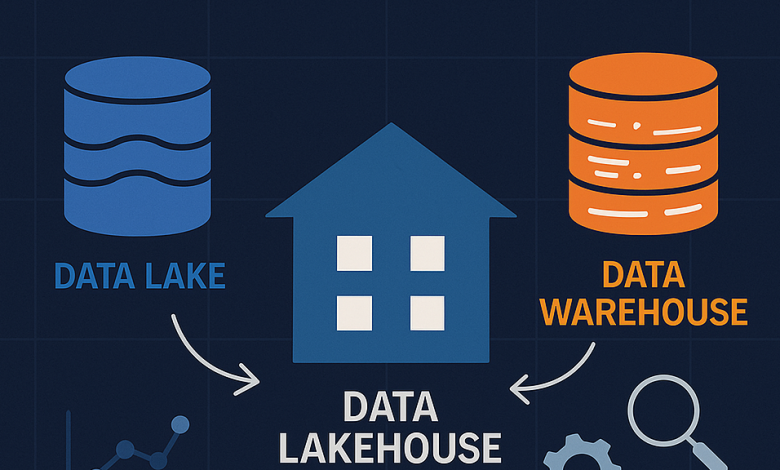
Artificial intelligence has become a strategic priority for enterprises, yet many AI initiatives struggle long before machine learning models are deployed. The biggest obstacle is rarely the algorithms themselves—it is the quality, accessibility, and organization of business data. Without a reliable data foundation, AI projects often experience delays, poor model performance, and rising operational costs.
This is where experienced data lake consultants create measurable value. By designing scalable data environments, improving governance, and preparing data for analytics, they help organizations move from AI planning to real business outcomes much faster.
How Data Lake Consultants Drive Faster AI Adoption
Data lake consultants bridge the gap between business goals and technical implementation. Their expertise enables organizations to establish an AI-ready environment that supports long-term innovation rather than isolated projects.
Many enterprises engage data lake consulting services to assess existing infrastructure, identify data gaps, and create a roadmap that aligns AI initiatives with business objectives.
Designing a Scalable Data Architecture
Every successful AI initiative begins with an architecture capable of handling growing data volumes.
Consultants evaluate current systems, integrate diverse data sources, and design scalable cloud or hybrid environments that support future expansion. They also ensure that storage, processing, and analytics work together efficiently so AI teams have reliable access to high-quality datasets.
A scalable architecture reduces future migration costs while supporting continuous AI development.
Improving Data Quality and Governance
Even sophisticated AI models produce poor results when trained on unreliable information.
Consultants establish governance frameworks that standardize data definitions, automate quality checks, and enforce security policies. Clear ownership and metadata management improve trust across departments while simplifying regulatory compliance.
Strong governance also ensures that AI outputs remain consistent and explainable as organizations expand their analytics capabilities.
Accelerating AI Deployment Across Teams
Once the data foundation is established, organizations can scale AI initiatives much more efficiently.
Key ways consultants accelerate adoption include:
- Creating automated data ingestion pipelines that reduce manual work.
- Standardizing datasets so multiple teams use consistent information.
- Building reusable data models for faster AI development.
- Integrating cloud analytics platforms with existing enterprise systems.
- Improving collaboration between engineering, analytics, and business teams.
- Monitoring data quality continuously to maintain reliable AI performance.
These improvements shorten implementation timelines while increasing confidence in AI-driven decision-making.
Common Data Challenges That Delay AI Projects
Many organizations invest heavily in AI technologies but underestimate the complexity of managing enterprise data. These challenges often become major barriers to success.
Data is frequently scattered across departments, making it difficult to build complete AI models. Inconsistent data formats reduce model accuracy, while poor governance creates security and compliance risks. Legacy systems further complicate integration by limiting access to critical information.
These issues increase development time and force data scientists to spend more effort cleaning data than building AI solutions.
In-House vs. Data Lake Consultants
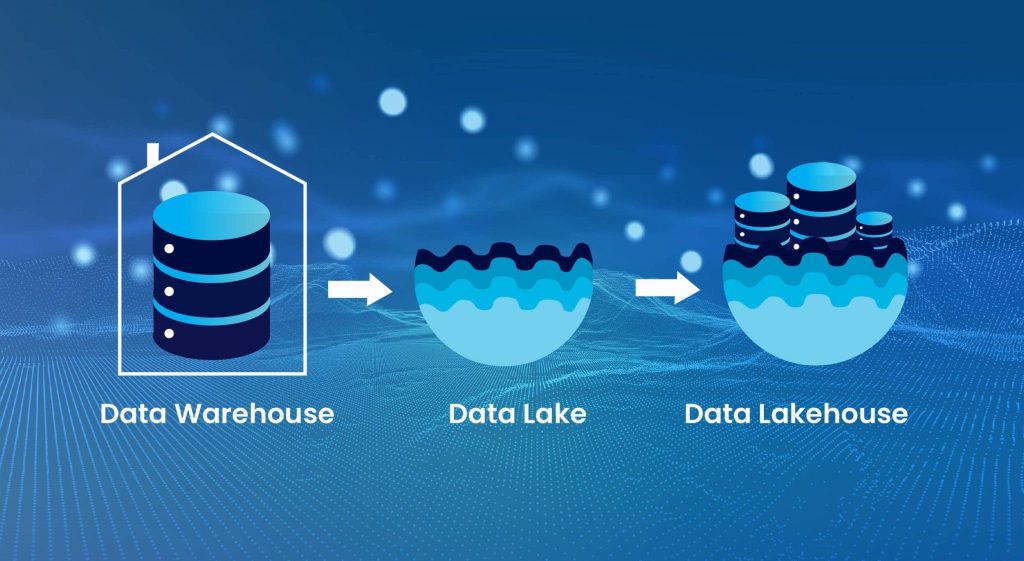
Choosing between internal implementation and external expertise depends on organizational maturity, available resources, and project complexity. The comparison below highlights the key differences.
| Factor | In-House Team | Data Lake Consultants |
| Deployment Speed | Often slower due to competing priorities | Faster with proven implementation frameworks |
| Specialized Expertise | May require additional training | Extensive enterprise experience across industries |
| Architecture Design | Limited by internal experience | Designed for scalability and future growth |
| Governance | Built gradually over time | Established using proven best practices |
| Risk Management | Higher learning curve | Reduced implementation risks |
| Time to AI Value | Longer | Significantly shorter |
While internal teams possess valuable business knowledge, consultants contribute specialized expertise that accelerates implementation without sacrificing long-term scalability.
Best Practices for Choosing the Right Consultant
Selecting the right consulting partner has a significant impact on the success of enterprise AI programs. Beyond technical skills, organizations should evaluate strategic capabilities and industry experience.
Consider the following best practices:
- Look for proven experience with enterprise-scale data lake implementations.
- Verify expertise across major cloud platforms and analytics ecosystems.
- Review previous AI and machine learning projects.
- Assess their approach to governance, security, and compliance.
- Choose consultants who emphasize knowledge transfer to internal teams.
- Ensure they understand your industry’s regulatory requirements.
- Evaluate communication, documentation, and project management practices.
Frequently Asked Questions
Why are data lakes important for enterprise AI?
Data lakes centralize structured and unstructured information, giving AI models access to larger, more complete datasets that improve training accuracy and business insights.
How do consultants reduce AI implementation time?
They use proven frameworks, automate data pipelines, improve governance, and design scalable architectures that eliminate common implementation bottlenecks.
Can existing legacy systems be integrated into a data lake?
Yes. Experienced consultants typically connect legacy applications with modern cloud platforms using integration tools, APIs, and data pipelines.
Are data lakes only useful for large enterprises?
No. While enterprises benefit significantly, mid-sized organizations can also improve analytics, reporting, and AI readiness through well-designed data lakes.
How do data lake consultants improve data security?
They implement governance policies, access controls, encryption, metadata management, and continuous monitoring to protect sensitive business information while maintaining compliance.
Conclusion
Enterprise AI succeeds when organizations treat data as a strategic asset rather than an afterthought. A well-designed data lake provides the scalability, governance, and accessibility required for reliable AI initiatives, while experienced consultants accelerate implementation by reducing technical complexity and minimizing project risk.
Instead of spending months resolving fragmented data challenges, businesses can establish a future-ready foundation that supports analytics, automation, and innovation. As AI adoption continues to expand across industries, investing in a robust data strategy today positions enterprises to achieve faster deployment, stronger decision-making, and sustainable competitive advantage.