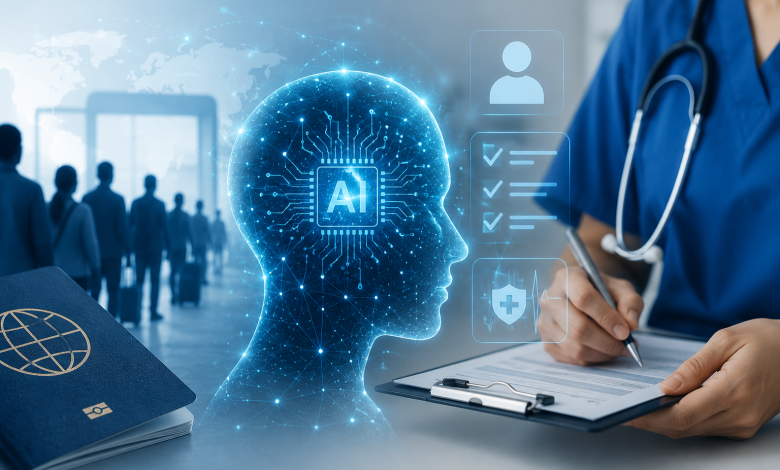
Artificial Intelligence (AI) is rapidly changing the way industries operate, and healthcare is no exception. One of the most significant advancements in recent years is how AI is being integrated into mental health services, including immigration psychological assessments. These evaluations play a crucial role in legal cases such as asylum, hardship waivers, and VAWA petitions. As demand increases, especially in diverse cities like Houston, professionals offering Immigration Evaluations in Houston and therapists in Houston are beginning to adopt AI-powered tools to improve accuracy, efficiency, and accessibility.
Understanding Immigration Evaluations in Healthcare
Immigration evaluations are clinical psychological assessments conducted by licensed mental health professionals. Their purpose is to document the emotional and psychological impact of trauma, persecution, or family separation in immigration cases.
Traditionally, these evaluations rely on detailed clinical interviews, standardized assessments, and extensive report writing. While highly effective, the process can be time-consuming and resource-heavy.
Now, with AI integration, professionals offering Immigration Evaluations in Houston are able to streamline certain parts of the process while maintaining clinical accuracy and ethical standards.
The Role of AI in Modern Psychological Assessments
AI is not replacing therapists or psychologists; instead, it is enhancing their ability to deliver better care and more efficient documentation. In immigration evaluations, AI tools assist in analyzing data, organizing case information, and identifying patterns in mental health symptoms.
For example, AI-powered systems can help categorize symptom severity, track emotional patterns over time, and assist in generating structured clinical notes. This allows therapists in Houston to focus more on client interaction rather than administrative tasks.
By reducing manual workload, AI ensures that mental health professionals can dedicate more time to understanding the client’s personal experiences and trauma history.
Improving Accuracy and Consistency in Evaluations
One of the biggest challenges in immigration evaluations is ensuring consistency in documentation. Since these reports are used in legal settings, accuracy and clarity are extremely important.
AI tools help improve consistency by standardizing language, organizing clinical findings, and reducing human error in documentation. This ensures that reports produced during Immigration Evaluations in Houston are clear, structured, and aligned with professional guidelines.
Additionally, AI can assist in cross-referencing symptoms with diagnostic criteria such as DSM-5 standards, helping clinicians make more informed decisions.
Enhancing Efficiency for Therapists
Time is one of the most valuable resources for mental health professionals. Traditional immigration evaluations require multiple sessions, detailed note-taking, and extensive report writing.
With AI support, therapists in Houston can significantly reduce the time spent on documentation. AI-assisted transcription tools can convert session recordings into structured notes, while automated templates help in drafting evaluation reports faster.
This increased efficiency allows therapists to handle more cases without compromising the quality of care or evaluation.
Supporting Trauma-Informed Care
Immigration cases often involve individuals who have experienced severe trauma, including violence, persecution, or forced displacement. These clients require sensitive and trauma-informed care.
AI tools can help therapists track emotional patterns and identify triggers more effectively. This allows Immigration Evaluations in Houston to become more precise in understanding how trauma affects daily functioning and mental health.
However, it is important to note that AI does not replace human empathy. The therapeutic relationship remains essential in providing emotional support and understanding.
Improving Accessibility of Mental Health Services
One of the most promising benefits of AI in healthcare is improved accessibility. Many individuals seeking immigration evaluations face barriers such as language differences, financial constraints, or limited access to specialists.
AI-powered translation tools can help bridge language gaps, making it easier for therapists in Houston to communicate with clients from diverse backgrounds. Additionally, AI scheduling systems and virtual consultation platforms make it easier for clients to access Immigration Evaluations in Houston without long waiting times.
This increased accessibility ensures that more individuals can receive the psychological documentation they need for their legal cases.
Ethical Considerations in AI-Driven Evaluations
While AI offers many benefits, ethical concerns must be carefully addressed. Immigration evaluations involve sensitive personal and psychological information, so confidentiality and data protection are critical.
Licensed professionals conducting Immigration Evaluations in Houston must ensure that AI tools comply with privacy laws such as HIPAA and maintain strict data security standards.
Moreover, AI should always be used as a supportive tool, not as a decision-maker. Final clinical judgment must remain in the hands of qualified therapists in Houston, who understand the complexities of human behavior and trauma.
The Future of Immigration Evaluations with AI
The integration of AI in mental health services is still evolving, but its potential is significant. In the future, AI may assist in predictive analysis of mental health outcomes, improved diagnostic accuracy, and even real-time monitoring of emotional well-being.
For immigration evaluations, this means faster, more accurate, and more accessible services for individuals who need psychological documentation for their cases.
However, the human element will always remain central. Compassion, empathy, and clinical expertise cannot be replaced by technology.
Conclusion
AI is transforming healthcare in powerful ways, and immigration psychological evaluations are no exception. By supporting documentation, improving efficiency, and enhancing accessibility, AI is helping therapists in Houston deliver better services to clients in need.
At the same time, Immigration Evaluations in Houston are becoming more structured, accurate, and efficient, ensuring that individuals receive the support they need for their legal cases.
As technology continues to evolve, the combination of AI innovation and human expertise will shape the future of mental health care—creating a system that is not only more efficient but also more compassionate and accessible for all.