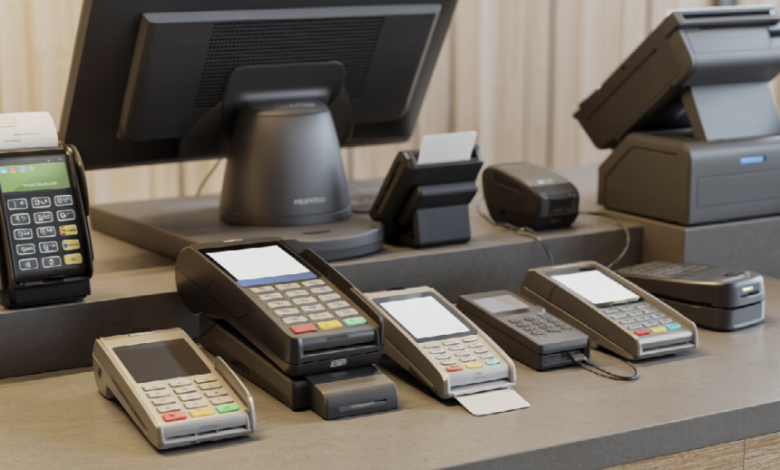
The checkout counter has become a proving ground for artificial intelligence. Credit card terminals, once simple swipe-and-sign devices, now process millions of transactions daily with machine learning algorithms working invisibly behind each tap and chip read. This shift isn’t just about speed—it’s fundamentally changing how businesses handle payments, detect fraud, and serve customers.
The integration of AI into payment processing represents one of the most significant advances in retail technology since the introduction of electronic payments themselves. Modern terminals can now analyze transaction patterns in real time, flag suspicious activity before it becomes fraud, and optimize processing routes to shave seconds off each sale. For high-volume merchants, those seconds translate into measurably better customer experiences and operational efficiency.
From Carbon Paper to Neural Networks
The first credit card machines were mechanical imprinters that pressed card details onto carbon paper—a process that required manual verification and batch processing at day’s end. The 1970s brought magnetic stripe readers, which revolutionized payment speed by encoding cardholder data directly onto cards. Each technological leap reduced transaction time while improving security.
Chip technology arrived in the 1990s, adding cryptographic authentication that made card cloning significantly harder. But these advances still relied on predetermined rules and static security protocols. Today’s AI-powered terminals represent a different category entirely: systems that learn from every transaction, adapting their behavior based on emerging patterns rather than fixed programming.
Machine learning models now run directly on payment hardware, analyzing hundreds of data points per transaction. These systems identify anomalies that rule-based fraud detection would miss, while simultaneously optimizing network routing to minimize processing delays. The result is a terminal that becomes more effective the longer it operates.
The Mechanics of AI-Enhanced Payment Processing
Artificial intelligence improves credit card terminals across several distinct dimensions, each contributing to faster, more reliable transactions:
- Dynamic Transaction Routing: AI algorithms evaluate network conditions in real time, selecting optimal processing paths based on current latency, failure rates, and costs. This reduces declined transactions caused by temporary network issues.
- Predictive Error Correction: Machine learning models trained on millions of transactions can anticipate common input errors—misread chips, poor card contact, or connectivity problems—and automatically retry with adjusted parameters before the customer notices a delay.
- Behavioral Fraud Detection: Rather than relying solely on transaction amount thresholds, AI systems build behavioral profiles for each card and merchant. A purchase that appears normal by traditional metrics might trigger additional verification if it deviates from established patterns.
- Adaptive Authentication: AI determines the appropriate level of verification for each transaction, requiring additional authentication only when risk factors warrant it. Low-risk purchases proceed instantly, while suspicious transactions face stepped-up scrutiny.
These capabilities work in concert, creating a payment experience that feels instantaneous to customers while maintaining security standards that exceed what rule-based systems could achieve. AI-driven fraud detection systems can reduce false positives by up to 70% compared to traditional methods, meaning fewer legitimate transactions get incorrectly flagged.
Evaluating Modern Payment Hardware
Selecting appropriate credit card terminals requires understanding both current needs and future capabilities. The market has fragmented significantly, with options ranging from basic countertop units to sophisticated mobile systems with integrated business management tools.
Businesses should prioritize several key factors:
- Processing Intelligence: Terminals with built-in AI capabilities can reduce transaction failures and improve authorization rates. Look for systems that explicitly mention machine learning-based fraud detection and dynamic routing.
- Payment Method Flexibility: Modern terminals should handle chip cards, contactless payments, mobile wallets, and QR codes without requiring separate hardware. The Federal Reserve reports that contactless payments now account for over 30% of in-person card transactions, making this capability essential rather than optional.
- Integration Architecture: Terminals that connect seamlessly with point-of-sale systems, inventory management, and accounting software reduce manual reconciliation work. API-based integrations are preferable to proprietary systems that lock you into specific vendors.
- Security Certification: PCI DSS compliance is mandatory, but look for terminals that exceed baseline requirements with features like point-to-point encryption and tokenization. These technologies ensure that sensitive card data never exists in readable form on your network.
For businesses ready to upgrade their payment infrastructure, the market splits between processor-bundled hardware and independent suppliers: Helcim and Payment Depot fold terminals into their merchant accounts, while DCCSupply sells countertop and mobile card terminals outright across the major manufacturers. The right choice depends on transaction volume, average ticket size, and whether mobile payment acceptance is required.
Security Standards in an AI-Driven Environment
Payment security has evolved from a compliance checkbox into a continuous process of threat detection and response. The Payment Card Industry Data Security Standard (PCI DSS) establishes baseline requirements for handling cardholder data, but AI introduces both new capabilities and new considerations.
Modern security approaches leverage AI in several ways:
- Real-Time Anomaly Detection: Machine learning models identify unusual transaction patterns as they occur, flagging potential fraud before authorization completes. These systems analyze factors like transaction velocity, geographic consistency, and purchasing patterns that would be impossible for humans to monitor manually.
- Automated Encryption Management: AI systems can dynamically adjust encryption protocols based on threat levels, ensuring that sensitive data receives appropriate protection without introducing unnecessary processing overhead during normal operations.
- Biometric Verification: Advanced terminals now incorporate fingerprint readers and facial recognition, using AI to match biometric data with sub-second accuracy. This adds a verification layer that’s both more secure and more convenient than PIN entry.
The challenge lies in balancing security with transaction speed. Overly aggressive fraud detection creates false positives that frustrate customers and reduce sales. AI helps solve this by learning the difference between genuinely suspicious activity and legitimate but unusual purchases, reducing false declines while catching actual fraud more effectively.
What’s Next for Payment Technology
The payment industry is moving toward increasingly invisible transactions, where authentication and processing happen without conscious customer action. Several emerging trends will shape this evolution:
- Ambient Commerce: AI-powered terminals will eventually recognize customers through biometric data or connected devices, initiating transactions automatically when items are selected. Amazon’s Just Walk Out technology demonstrates this concept, though widespread adoption requires solving significant privacy and infrastructure challenges.
- Predictive Inventory Integration: Payment terminals will communicate directly with inventory systems, using AI to predict stock needs based on transaction patterns. This creates a feedback loop where payment data drives purchasing decisions in real time.
- Cryptocurrency and Digital Currency Support: As central bank digital currencies and stablecoins gain adoption, terminals will need to process these alongside traditional card payments. AI will manage the complexity of multiple payment rails and real-time currency conversion.
- Voice-Activated Transactions: Natural language processing will enable customers to complete purchases through voice commands, with AI handling authentication, amount verification, and payment processing through conversational interfaces.
These developments will require significant infrastructure investment, but the competitive advantage may prove decisive. Businesses that adopt AI-enhanced payment systems early will gather more transaction data, training better models and creating a widening gap between their capabilities and those of competitors using legacy systems.
The Strategic Imperative of Intelligent Payment Systems
AI integration in credit card terminals represents more than incremental improvement—it’s a fundamental shift in how payment infrastructure operates. Terminals that learn from each transaction become more valuable over time, unlike static systems that depreciate from the moment of installation.
The benefits extend beyond faster checkout times:
- Reduced Operational Friction: Fewer declined transactions and false fraud alerts mean less time spent resolving payment issues and more time serving customers.
- Enhanced Security Posture: AI-driven fraud detection catches threats that rule-based systems miss, protecting both business revenue and customer trust.
- Data-Driven Insights: Transaction patterns analyzed by AI reveal customer preferences, peak traffic times, and inventory needs that inform broader business strategy.
As payment technology continues evolving, businesses face a choice: invest in intelligent systems that improve over time, or maintain legacy infrastructure that falls further behind with each passing year. The gap between these approaches will only widen as AI capabilities advance and customer expectations rise.