Millions of people consider their pets part of the family and do everything they can to keep them healthy and happy. But when a pet becomes unwell, they cannot explain what they are feeling or where it hurts. Without a voice, pets rely on us to recognize the often-subtle signs that something is wrong, making the early detection of ill health challenging.
AI-powered digital health tools are bridging the communication gap between pets and people by translating health insights and patterns into meaningful action and enabling continuous health monitoring to keep pets healthier and happier. By helping pet parents better understand what their animals need, AI is transforming the way we monitor, support, and care for the pets we love.
Best paw forward
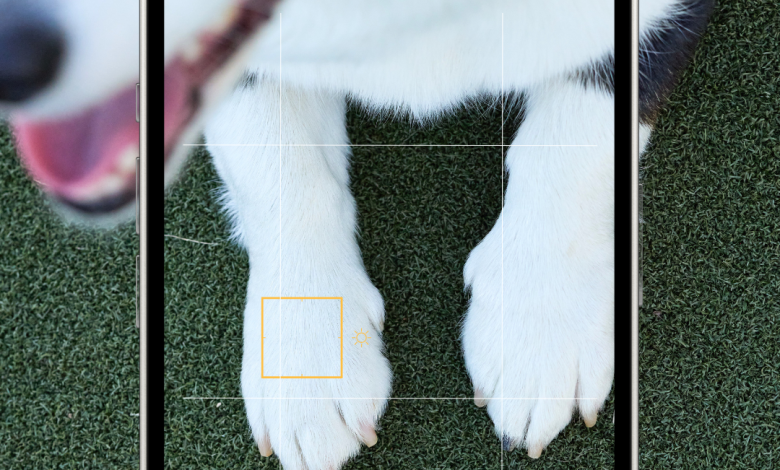
NUTRO™ Pawscan is the latest in a suite of tools that utilises smartphone images to provide immediate health insights. Pawscan analyzes a photo of a dog’s paw to scan for visual signs of potential skin irritation through AI models, including Convolutional Neural Networks (CNNs), which detect fine details like redness on the paw. These models are trained to interpret subtle visual cues across different paw types and skin conditions. Pawscan’s AI was trained on over 15,000 images of canine paws, including expert-annotated examples of skin irritation symptoms sourced directly from clinical practice.
Red, irritated paws can be a sign that a pet is experiencing discomfort. From allergies and environmental irritants to excessive licking or underlying skin issues, changes in paw health can provide important clues about a pet’s overall wellbeing. Recognizing these early signs empowers pet parents to take action and seek the right support before minor issues become more serious.
Citizen Science
By leveraging real-world global pet health data, AI is enabling a deeper understanding of the pets and pet parents we serve.
Tooth Check is a digital risk-assessment tool helping pet parents understand how predisposed their dog is to gum disease. The risk checker model was built leveraging veterinary health records from 1 million dog visits, analyzing breed size, age, body condition alongside oral health data (including gum disease, bleeding gums, bad breath, tartar, and previous tooth extractions). The algorithm was tested against a further 2 million dog hospital visits to ensure its accuracy, and was independently evaluated by veterinarians. It is well known that smaller dog breeds are more predisposed than larger breeds to develop periodontal disease, and the risk rises as dogs age.
Currently available in 13 European countries, the Tooth Check tool provides insights into how pet parents maintain their dog’s dental hygiene in real-world settings, which allows for more tailored strategies to improve dental care worldwide.
We know that pet parents in Sweden brush their dog’s teeth the most frequently, while those in Norway feed daily oral care chews most consistently, and over 40% of Tooth Check users report noticing foul-smelling breath in their dogs. In ‘toy’ size dogs, over 78% received a high-risk result.
Even smarter smiles
A second tool focused on helping pet parents better understand their dog’s oral health is Pedigree® Toothscan. From a simple smartphone image of a dog’s teeth and gums, Toothscan leverages CNNs for detailed image analysis and transformer models for contextual understanding. It identifies visual signs that could indicate tartar buildup or signs of gum irritation on every tooth. This cutting-edge model was trained on over 53,000 images of dogs’ mouths across different lighting, angles, and backgrounds to ensure it works seamlessly for pet parents at home.
Scientific studies have reported 80% of dogs suffer from gum disease by the age of three, making it one of the most common health conditions affecting pets, yet most pet parents remain unaware. Toothscan is bridging that awareness gap, with 77% of dogs scanned showing signs of gum disease, the tool gives owners a better understanding of their dog’s oral health so they can take a more proactive approach to oral care.
AI weighs in
Science from the Waltham Petcare Science Institute has shown that puppies and kittens that grow too quickly or slowly can suffer from lifelong health problems and that healthy weight for life starts with healthy growth. Pets that grow too fast are at higher risk of developing health problems including obesity, while those growing too slowly may have underlying health conditions.
For many pet parents, predicting their puppy or kitten’s ideal weight and steady growth isn’t easy. Pets develop at their own pace due to a unique mix of factors, including their breed, gender, spay/neuter status, health history and diet.
Through digital tools Puppy Weight Check and Kitten Weight Check, pet parents can now track if their pet’s current weight is lighter, similar, or heavier compared to similar pet’s their age; and are introduced to growth charts which can help track growth into adulthood.
Across both tools, 20% of puppies and 28% of kittens are classed as bigger or smaller than the majority of other puppies and kittens their age. Tracking growth is important for all puppies and kittens, as it can provide early signals to the pet parent around growth that is too slow, or too fast.
Pet obesity has become a key focus within the pet industry, driving innovation across nutrition, veterinary care, pet technology, and owner education as solutions are developed to support healthier lifestyles and long-term wellbeing. Research has highlighted that overweight dogs may live shorter lives.
AI gets the scoop
AI is finding answers in the unlikeliest places – canine feces.
Changes in fecal consistency offer clues about a pet’s digestive system and overall health. By periodically monitoring stool quality, pet parents can assess trends and catch digestive upsets early. IAMS™ PoopScan uses advanced AI technology to evaluate a smartphone image of a dog’s feces taken at home, and provides feedback, helping pet parents proactively monitor potential changes.
The tool was trained on over 14,000 manually labelled images of canine feces, it uses deep learning architectures such as EfficientNetB4 to deliver a 90% accuracy-in-range score.
Vets and AI: partners care
Across all of the US tools, pet parents can access free advice from a Licensed Veterinary Technician via the Mars PETconnect service.
It is important to note that AI is not intended to replace veterinarians, nor are digital health tools a substitute for clinical care. Instead, they serve as a valuable resource that helps pet parents better understand their pet’s health, recognize potential concerns earlier, and make more informed decisions. By providing accessible education and guidance, these tools can empower owners to monitor changes, take a proactive approach to pet care, and better understand when to seek professional care.
Veterinarians remain essential for diagnosing, treating, and managing a pet’s health. AI and digital health tools work best as partners in the care journey, supporting pet parents while strengthening the relationship between pet parents and their trusted veterinarian.
By combing purpose with the transformative potential of technology, we’re able to deliver innovative tools that better serve pets and pet parents across the globe.