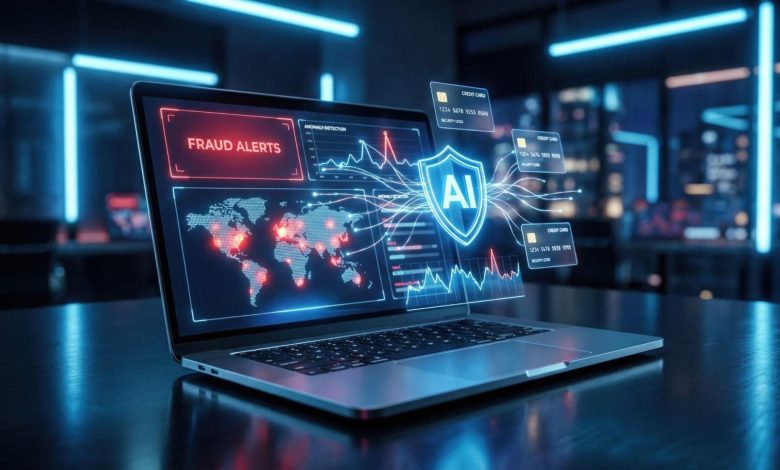
At 9:12 a.m., your security dashboard lights up with hundreds of alerts. Most are harmless. A few look unusual. One could be the start of a serious attack, but your team has limited time to find it before the damage spreads.
It’s where traditional threat detection often struggles. It relies heavily on known signatures, fixed rules and analysts manually connecting clues across different tools. When alerts arrive faster than people can review them, important warning signs can disappear inside the noise.
AI is changing that process. It can study behavior, connect events across users, devices, networks and cloud systems and highlight the activity that deserves attention first. It can also help analysts investigate more quickly and respond with greater confidence.
AI is not replacing human expertise. It gives your team better context, fewer distractions and more time to focus on the threats that truly matter each day.
The Problem Is No Longer a Lack of Alerts
Your security tools already collect information. Firewalls, endpoints, email platforms, cloud services, applications and user accounts can all produce alerts.
The challenge is deciding what those alerts mean. Which one shows real danger? Which events belong to the same attack? Which warning needs action now?
Traditional tools remain useful, especially when they recognize known malware or attack patterns. However, fixed rules may miss unfamiliar activity or subtle behavior changes. Modern detection must do more than create another warning. It should provide context, show connections and help analysts understand why an event matters.
AI Finds Patterns That Separate Risk From Noise
AI-supported systems build a picture of normal activity across your environment. They learn how users sign in, which files they access, how devices communicate and when applications exchange data.
An AI-driven cybersecurity company working within frameworks such as the Cybersecurity and Infrastructure Security Agency (CISA) Roadmap for Artificial Intelligence can use this baseline to spot behavior that looks different. That may include a login from an unexpected location, an account opening unfamiliar files or a device contacting a strange server.
One event may look harmless. Several unusual events happening together can tell a different story.
By connecting those clues, AI helps your team detect threats that separate tools might miss. It also reduces time spent switching between dashboards and building the full picture.
From Fixed Rules to Adaptive Threat Detection
An AI-driven cybersecurity company changes more than detection speed. It changes how security data is reviewed, ranked and presented to your analysts.
| Detection stage | Traditional approach | AI-supported approach |
| Data review | Examines separate alerts and logs | Connects information across systems |
| Threat identification | Relies mainly on rules and signatures | Also studies unusual behavior |
| Prioritization | Analysts review alerts manually | AI ranks events using risk and context |
| Investigation | Evidence is gathered from several tools | Related events can be grouped automatically |
| Response | Often depends on manual action | Approved actions may be automated |
| Learning | Rules need regular manual updates | Models improve as more data is reviewed |
Traditional controls are not disappearing. Signatures, rules and human investigation still matter. AI strengthens them with speed, context and behavioral insight. The result is detection that adapts as attackers change their methods, rather than waiting for every threat to fit a fixed rulebook.
What Changes Inside Your Security Operations Center
The biggest difference appears in your security team’s daily work. AI can make common tasks faster without removing human control.
Faster Alert Prioritization
AI can compare signals, calculate risk and move urgent events to the top of the queue. Your analysts start with alerts most likely to affect the business instead of reviewing everything in arrival order.
More Focused Investigations
AI tools can group related activities, create timelines and summarize events. Your team spends less time collecting proof and more time deciding what step to take.
Quicker and More Uniform Response
Automation can support approved actions, such as isolating a device, blocking a connection or escalating an incident. These steps happen quickly while decisions remain with your analysts.
It does not make security teams less important. It gives skilled professionals more time for complex investigations, threat hunting, planning and improvements.
Clever Detection Still Requires Human Judgment
AI can process more data than a person, but it cannot understand every business condition. A strange login may be an attacker or simply an employee traveling. Strong detection still requires reliable data, careful setup, clear automation rules and skilled analysts to review high-impact decisions.
A responsible AI-driven cybersecurity company should make suggestions understandable rather than asking you to trust a hidden score. Your team should understand why an alert appeared, which proof supports it and what an automated action will change. Human judgment keeps AI practical, responsible and aligned with the risks that matter most to your organization.
Select Intelligence That Helps Your Team Act
The best AI security tool is not the one making the biggest promise. It’s the one that helps your team find real threats faster, understand what occurred and respond with confidence. Look for clear context, useful integrations, controlled automation and results your analysts can explain.