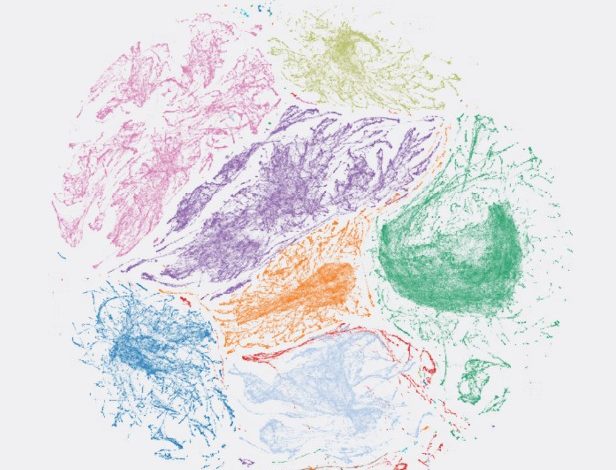
PerturbAI, an AI-native biotechnology company, announced results from its year-long collaboration with OpenAI to advance biomedical research and drug discovery. Working with Scripps Research, the teams developed an AI reasoning framework that helps scientists interpret large experimental datasets, connect results with existing research, and generate testable hypotheses. The findings, published in a joint preprint and blogpost, address a growing bottleneck in biomedical research: experiments are generating data faster than scientists can interpret it.
When Discovery Outpaces Interpretation
Using PerturbAI’s causal in vivo data, PerturbAI and OpenAI will now apply their AI reasoning frameworks to discover new drug targets.
This is important because biomedical experiments are generating data faster than scientists can interpret it, meaning promising new discoveries are likely to remain hidden. Additionally, novel drug-target discovery is still largely serendipitous, often requiring investment decisions to be made before there is sufficient mechanistic evidence. By combining large-scale causal data generated directly in living systems with frontier AI, the PerturbAI partnership with OpenAI is making it possible to investigate more biological data, faster and with greater depth, and to make target discovery more systematic.
Mapping Cause and Effect in Living Systems
In March 2026, PerturbAI unveiled its drug discovery engine that maps genomic cause and effect directly in living organisms at unprecedented scale and speed to generate high-quality, prioritized drug targets. This engine launched with an 8-million-cell, brain-wide CRISPR atlas generated in just months – the largest known causal genomics dataset produced in living tissue. The atlas has been downloaded more than 40,000 times to date. PerturbAI has continued to build out its discovery engine with the launch of several new proprietary atlases spanning metabolic diseases and aging.
PerturbAI is currently pursuing multiple promising targets that have already been surfaced through the PerturbAI engine.
From Months of Analysis to 32 Minutes
PerturbAI and OpenAI jointly developed AI reasoning agents to help scientists interpret complex biological data at the scale required for drug discovery. Thousands of agents were developed to analyze cellular responses, search the scientific literature, and connect experimental results with existing biological knowledge. This agentic system then synthesized the findings into a reasoning atlas linking genes, cell responses, prior studies, and possible biological mechanisms. Applied to PerturbAI’s whole-brain atlas, the system completed analysis and synthesized evidenced-linked findings in just 32 minutes, surfacing leads for further investigation that might otherwise be missed.
Putting the Agents to the Test
To evaluate the quality of the agents’ interpretations, human biology experts reviewed their reports for novelty, evidential support, follow-up priority and confidence level. In blinded comparisons against reports generated by single AI agents, human experts preferred the reasoning-agents’ interpretations 75% of the time.
“By combining PerturbAI’s experimental data with OpenAI’s reasoning capabilities, we can help scientists uncover new biological insights and identify promising leads for drug discovery,” said Joy Jiao, Head of Life Sciences at OpenAI. “The scale, quality, and speed of PerturbAI’s discovery engine make them an ideal partner, and this is just the beginning of what we can achieve together. Running nearly 2,000 agents in parallel shows how we can scale biological interpretation alongside high-throughput experimentation, helping researchers turn those findings into better medicines.”
What Comes Next: From Insight to Target
PerturbAI closed an oversubscribed pre-seed round in Q3 2025, backed by leading early-stage investors with deep expertise across AI, therapeutics, and company-building. The company is using its discovery engine to develop best-in-class therapeutics for complex chronic and rare diseases.