Technology is playing an increasingly important role in the evolution of the waste management industry. Rising costs, stricter regulations, and increasing sustainability targets are forcing organisations to rethink traditional approaches, from how waste is collected and tracked, to how it’s processed, repurposed, or reduced entirely.
With England’s healthcare sector already generating 156,000 tonnes of clinical waste annually, and projections suggesting this could climb to 200,000 tonnes by 2029, the need for smarter, safer, and more traceable waste systems has never been greater*.
Digital technologies are helping organisations improve efficiency, reduce environmental impact and gain greater visibility over their waste streams. As organisations look to balance cost pressures with sustainability commitments, technology is becoming an essential part of modern waste management strategies. From improving operational efficiency to providing greater visibility over waste streams, these innovations are helping businesses make more informed decisions while supporting environmental goals.
Below, Graham Flynn, Managing Director at waste management service provider Anenta, shares his insights on the key technologies transforming the industry across commercial and healthcare.
3 most innovative technologies in waste management
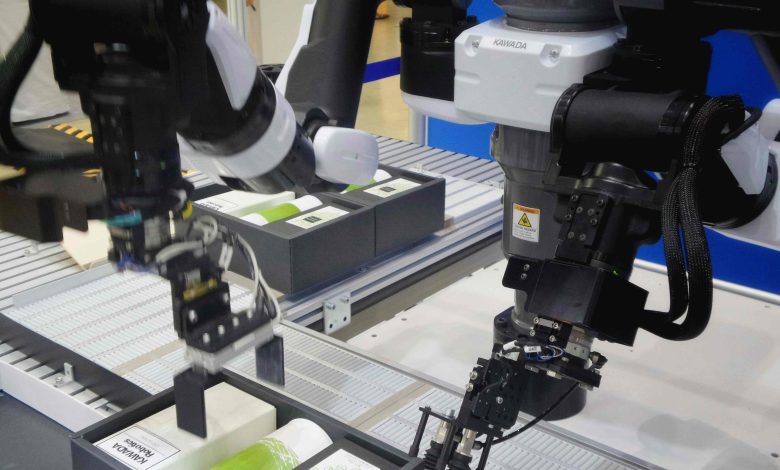
1. Robotics and automation
AI-powered robotic sorting systems can now identify and separate materials with remarkable speed and precision, in some cases performing up to 6,000 picks per hour.**
Using advanced cameras, sensors and machine learning, these systems can accurately distinguish between different materials, even when they appear similar to the human eye. This improves the quality of recycled materials while reducing contamination, making more waste suitable for reuse instead of landfill or energy recovery.
As AI continues to evolve, these systems are expected to become even more accurate and adaptable, allowing facilities to process increasingly complex waste streams. This could help improve recycling rates further while reducing the amount of valuable material that is unnecessarily discarded.
For businesses and local authorities, these systems significantly increase recovery rates, improve material purity, and help offset ongoing labour shortages. However, they remain a high-capital investment, typically costing between £500,000 and £700,000 per robotic unit, which limits widespread rollout to large-scale plants or long-term infrastructure projects.***
In healthcare and pharmaceutical waste facilities, early-stage robotic systems are being explored for use in automated sterilisation and hazardous material handling, reducing human contact with infectious waste and ensuring consistent compliance. While these applications are not yet mainstream, they highlight how automation could enhance both safety and sustainability in the years ahead.
2. Blockchain traceability technology
Blockchain technology is essentially a secure digital ledger that permanently records transactions or movements. In waste management, it can be used to track every stage of the waste journey, from creation to final treatment, in a way that can’t be altered or falsified.
For organisations, this means complete transparency and accountability. Blockchain can verify where waste went, who handled it, and when, providing auditable proof for compliance and ESG reporting.
This level of traceability is particularly valuable for sectors handling regulated waste, such as healthcare. Having a permanent digital record can make inspections and audits more straightforward while giving organisations greater confidence that waste has been managed responsibly throughout the entire disposal process.
It also has the potential to strengthen trust across the waste supply chain by giving producers, waste carriers and treatment facilities access to the same secure information. This shared visibility can help improve accountability while reducing the risk of administrative errors.
While adoption is still at an early stage, blockchain pilots are already being tested in medical waste and recycling sectors. As the need for reliable traceability grows, blockchain could soon become a cornerstone technology for sustainable and compliant waste management.
3. Advanced treatment and recycling technologies
Beyond collection and tracking, new processing technologies are making waste treatment cleaner, safer and more circular. For example, plasma gasification converts waste into energy with minimal emissions, while chemical recycling breaks down plastics into reusable raw materials.
Unlike conventional recycling, which can reduce the quality of certain plastics over time, chemical recycling allows materials to be broken down into their original building blocks so they can be used to produce new plastics of the same quality. This supports a more circular economy by keeping valuable resources in use for longer.
These methods are being deployed in industrial and municipal facilities worldwide, helping divert waste from landfill and recover valuable resources. For businesses, this represents an opportunity to turn waste into a resource, reducing disposal costs while supporting long-term sustainability goals.
In healthcare, compact on-site sterilisation systems are already being adopted by some smaller facilities, such as dental practices and clinics. These systems allow clinical waste to be rendered safe before disposal, cutting both transport emissions and environmental impact. While costs remain higher than traditional collection models, they offer a path toward lower-carbon, decentralised waste treatment.
The road ahead
Technology is no longer a ‘nice to have’ in waste management, it’s a necessity. For organisations across sectors, embracing innovation now will be key to meeting both environmental and compliance expectations in the coming years.
While not every technology will be suitable for every organisation today, advances in automation, digital traceability and waste treatment are helping businesses operate more efficiently while reducing their environmental impact. As these technologies become more accessible, they are likely to play an increasingly important role in creating a safer, more sustainable and more resilient waste management industry. Organisations that begin investing in innovation now will be better placed to adapt to future regulations, improve operational performance and demonstrate their commitment to responsible waste management.