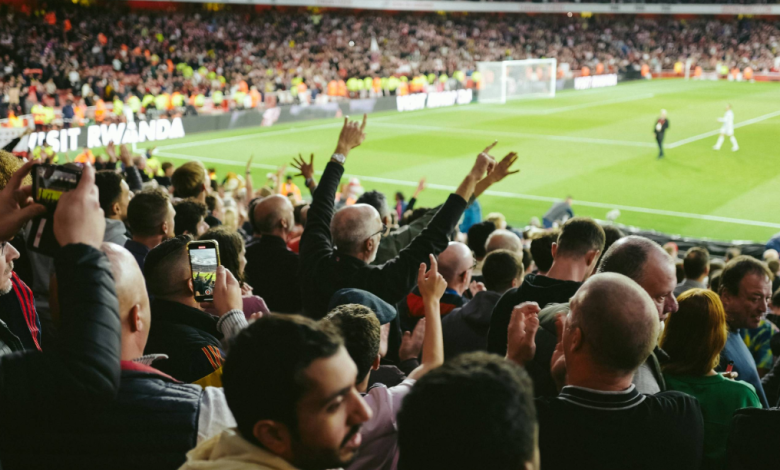
The World Cup was a large-scale stress test for workforce planning. Like many events that influence employee behaviour — from major sporting tournaments to local disruptions — it challenged organisations to anticipate change and adapt quickly.
Employees want flexibility to watch matches, attend events, or adjust their schedules around key games. The challenge for employers is not that these requests exist; it’s that they often arrive unevenly, creating sudden pressure on specific shifts, locations, and teams.
For frontline organisations, where operations depend on physical coverage and specialised skills, even a modest increase in absences can affect service levels, productivity, and employee experience. What appears to be just a sporting event can quickly become a workforce planning problem.
UKG research found that 37% of employees globally planned to adjust their work schedule because of the tournament. More than a quarter said they would likely miss work by coming in late, leaving early, or skipping work entirely. The same research estimated the tournament would drive at least £12.6 billion in lost productivity globally, including £681 million in the U.K. alone.
The lesson for employers is clear: disruption from events like the World Cup is highly predictable, but traditional workforce planning approaches may not be enough to manage it effectively.
Why are events like the World Cup a workforce planning challenge?
The World Cup affected work because it changed employee availability, attention, and energy levels at scale.
According to UKG’s research, 22% of employees expected to clock in tired or exhausted during the tournament. Another 14% said they may secretly stream matches or highlights, while 11% admitted they would work while hungover.
That presented two related challenges: absenteeism and presenteeism.
Absenteeism is when employees are not at work when expected. Presenteeism is when employees are physically present but distracted, fatigued, or less productive. Both can affect performance, and together they create workforce pressures that can be difficult to manage through manual planning alone.
This is where AI can provide value. By bringing together workforce signals such as schedules, skills, availability, time-off requests, absence patterns, and demand forecasts, AI can help organisations identify emerging staffing risks earlier and understand their potential impact before service levels are affected.
Why are staffing gaps harder for frontline employers?
Staffing shortages are especially challenging for frontline organisations because many roles require physical presence, specialised skills, and real-time coverage.
If a meeting in an office environment is moved, the impact may be limited. If a nurse, warehouse worker, retail supervisor, delivery driver, or machine operator misses a shift, the consequences can be immediate.
A single absence can force managers to reassign work, reduce capacity, increase overtime, or ask employees to take on additional responsibilities. Multiple absences across locations or shifts can quickly create operational strain.
That is why employers should view events like the World Cup as more than a productivity issue. They are a workforce resilience challenge.
While tournament schedules are known in advance, employee behaviour is less predictable. Employers may not know which teams will advance, which matches will attract the greatest attention, or when requests for flexibility will surge. AI can help organisations assess different scenarios, identify patterns in workforce behaviour, and adapt more effectively as conditions evolve.
How can AI help employers prepare before disruption happens?
Handling event-related disruption isn’t only about filling shifts, it means ensuring workers with the right skills are available when they’re needed.
Before events begin, workforce data can help organisations identify high-risk dates, locations, and shifts. That may include identifying matches involving teams with strong local support, periods with historically higher absence rates, or schedules that already have limited coverage.
AI-enabled workforce planning allows managers to evaluate potential outcomes before disruption occurs. For example, organisations can assess how increased absence rates during a high-profile match might affect coverage, identify which roles are most vulnerable, determine where qualified employees are available to fill gaps, and understand where overtime, fatigue, or fairness concerns may emerge.
Armed with these insights, employers can take practical steps to strengthen coverage. Depending on the business, that may include enabling shift swaps, offering staggered start times, creating temporary availability windows, or planning voluntary overtime.
The result is a more proactive approach to workforce management — one that helps managers make informed, consistent decisions before staffing pressures become operational problems.
What is the best AI workforce strategy for the cultural moments?
The most effective approach combines workforce data, clear communication, and flexibility.
Organisations that rely solely on static schedules risk responding only after disruption has already affected staffing, service levels, productivity, and morale. Those that use workforce intelligence proactively are better positioned to anticipate pressure points, balance employee needs with business requirements, and maintain operational continuity throughout the tournament.
The broader lesson extends well beyond the tournament. The World Cup is simply a highly visible example of a challenge employers increasingly face: unexpected shifts in workforce availability, demand, and employee expectations.
Organisations that can anticipate disruption, adapt quickly, and make workforce decisions with greater confidence will be better prepared not only for major sporting or other high-profile cultural events, but for the ongoing realities of managing a dynamic workforce in an unpredictable world.