The software world moves fast. It moves faster now. A shift is happening right in front of us. It feels like a new era. The tools are smarter. The workflows are quicker. The whole process is transforming. This change is driven by fresh ideas. It is driven by fresh technology.
The year 2026 is a turning point. This is where the trends get real. Let us explore the biggest movements shaping AI-assisted development. Right now. The vibe coding tools 2026 landscape is a big part of the story. These tools are not just toys anymore. They are serious business. They are changing how teams build everything.

The Agentic Shift
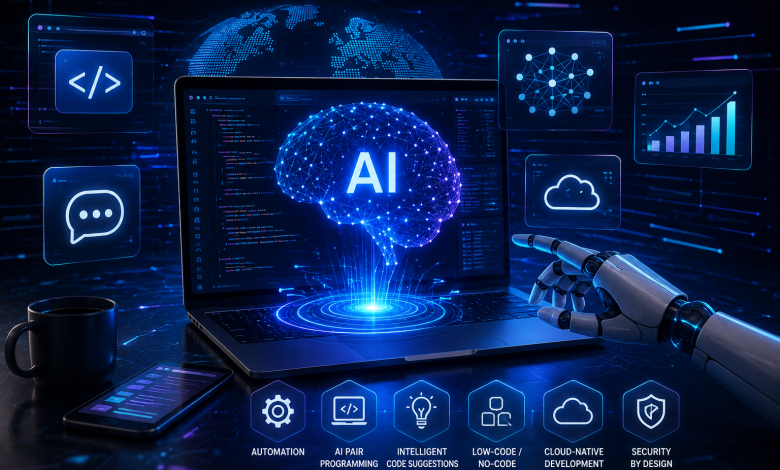
AI is no longer passive. It does not just answer questions. It acts. It plans. It executes. These are agentic systems. They handle complex workflows. They pull data from different apps. They make decisions. They even take action. The developer becomes a supervisor. They define the goals. They monitor the agents. They review the results.
This changes everything. The AI does the heavy lifting. The human provides the direction. The partnership is powerful. The pace is breathtaking. Teams ship features at record speed.
The Death of Boilerplate
Writing the same code over and over is boring. It is also a waste of time. AI-native platforms are ending this grind. They generate entire applications from a single prompt. They handle the setup. They manage the database. They wire up the APIs.
The developer jumps straight to the interesting part. The unique part. The part that solves real problems. This shift is massive. It frees up creative energy. It lets teams focus on value. Not on repetitive tasks. The boring stuff vanishes. The fun stuff stays.
The Enterprise App Explosion
Big companies are adopting these tools. They are not just for hobbyists anymore. Enterprise-ready platforms are emerging. They include strict security features. They offer governance controls. They provide lifecycle management. This is a game-changer.
Procurement teams can finally say yes. The tools meet their standards. The business gets the speed it craves. The IT team gets the control it needs. The adoption curve is steep. The benefits are undeniable. Enterprises move faster now.
The Code Quality Question
Speed is great. It is also risky. Generated code can have issues. It might not scale. It might have security holes. The industry is responding. New platforms include security checks. They test the code automatically. They build production-ready apps from the start.
The focus is shifting. It is not just about generating code. It is about generating good code. Reliable code. Safe code. The guardrails are getting stronger. The quality is improving. Trust is growing.
The Cloud 3.0 Foundation
AI needs a new kind of infrastructure. Traditional cloud is not enough. The new generation is called Cloud 3.0. It is designed for AI workloads. It offers hybrid options. It supports sovereign architectures. It provides low-latency performance.
This is the backbone for agentic systems. The cloud is no longer passive. It is an active part of the intelligence. The infrastructure adapts. The performance scales. The reliability stays solid.
The Model Specialization
Generic models are useful. They are also limited. They do not know your business. They do not understand your industry. This is changing. Domain-specific models are on the rise. They are trained on specialized data. They understand the context. They speak the language.
The results are more accurate. They are more relevant. They are more trustworthy. A healthcare model knows medical terms. A finance model knows market dynamics. The specialization makes a huge difference.
The Role Shift for Developers
The job of a developer is changing. It is becoming more strategic. Less time on syntax. More time on architecture. Less time on debugging. More time on design. The developer becomes an orchestrator. They guide the AI. They validate the output. They ensure the system works together.
The technical skills still matter. But the soft skills matter more. Communication. Critical thinking. Problem framing. These become the differentiators.

The Governance Challenge
With great power comes great responsibility. AI-generated code needs oversight. Companies are building governance frameworks. They set guidelines. They enforce standards. They audit the output. The process is still new. It is still evolving.
But the direction is clear. Control matters. Compliance matters. Security matters. The frameworks will mature. The best practices will emerge. The industry will settle into a rhythm.
The Bottom Line
The trends are clear. AI is eating software. The tools are maturing. The adoption is accelerating. The challenges are real. Code quality, security, and governance matter. But the direction is set. Development is getting faster. It is getting smarter. It is getting more accessible.
The year 2026 is the inflection point. The future is being built right now. The teams that embrace these trends will win. The teams that resist will fall behind. The choice is obvious. The time is now. Do not get left behind.