For decades, the entertainment industry has operated behind a sophisticated wall of contracts and complex financial structures that have made it difficult for artists to retain the creative and economic value of their work. The traditional model forces a choice between creative control and access to capital, and that tradeoff has rarely favored the creator.
That is beginning to change. The convergence of tokenization, artificial intelligence, and social media has created conditions for a genuine structural shift in how intellectual property is owned, financed, and monetized. Together, these technologies are enabling individual creators, filmmakers, musicians, and athletes to operate as sovereign media businesses, retaining their IP, raising capital, settling royalties in real time, and engaging audiences directly, without surrendering ownership to a studio, label, or financial intermediary.
Tokenization as Infrastructure
Tokenization does for entertainment IP what real estate investment trusts (REITs) did for property ownership. It takes an asset class that has historically been illiquid and inaccessible to most investors, and makes it divisible, tradeable, and transparent. The distinction from earlier experiments in digital ownership is significant. Fan-backed IP tokens are not collectibles or speculative instruments divorced from underlying value. They represent a direct claim on the IP itself, including masters, streaming royalties, sync licenses, ticket sales, theatrical revenue, and merchandise. The token is the asset, fractionalized.
This is a meaningful distinction from the 2021 cycle of non-fungible tokens, which demonstrated both the appetite for creator-backed digital assets and the risks of decoupling them from tangible economic rights. What is emerging now is a more durable model, one where token holders share directly in the commercial success of the work they support.
AI as the Operational Layer
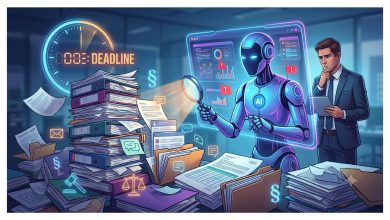
For tokenization to function at the scale of individual creators, it requires an operational infrastructure that most artists have never had access to. Artificial intelligence is filling that gap. Agentic systems can now read contracts, match brand partnership briefs, and run royalty distribution waterfalls in real time. The administrative apparatus that once required a studio, a management company, and a team of lawyers is increasingly available as a software layer.
The two technologies are mutually reinforcing. Without AI, tokenization still demands a back office that most independent artists cannot afford to staff. Without tokenization, AI tools become simply better assistants for creators who continue giving the economic upside away. Together, they make it viable for a single person to operate what would previously have required an entire organization.
A New Relationship Between Creators and Audiences
The practical implications extend beyond finance.Consider a filmmaker who tokenizes a project against the audience that wants to see it made, using AI to handle back-office operations while treating early supporters as co-producers. Or a musician who issues fan-backed tokens against an album, distributes royalties in real time, and allows the people who will buy tickets to fund the marketing. Or an athlete who fractionalizes commercial rights to the fans who already support them, rather than selling those rights to a private equity firm. Instead of a fractional claim diluted across a studio’s thousand unrelated assets, fans support the project directly.
In each case, the audience becomes something more than a consumer. When a fan holds an economic stake in a project, their incentives align with the creator. They promote the work, defend the brand, and drive the commercial outcomes that generate returns. The relationship between creator and audience becomes genuinely reciprocal, and the intermediaries who have historically extracted value from that relationship become structurally less necessary.
Why This Shift Is Durable
Tokenization also functions as real-time proof of demand. Before a single dollar of production capital is committed, a creator can demonstrate market interest through token sales. This inverts the traditional development process, in which creators spend years seeking financing from institutions that may have limited understanding of their audience. The audience itself becomes the most credible signal of commercial viability.
Established intermediaries will not surrender their position voluntarily. They do not need to. The infrastructure being built does not require their cooperation. As direct-to-consumer models become operationally viable at individual scale, the economics of the traditional deal will come under increasing pressure. Creators who understand the tools now available to them are already making different choices.
Tokenization is not the only force reshaping the creator economy, but it may be the most structurally significant. It reframes IP ownership as something distributed rather than concentrated, and it makes audiences participants rather than passive consumers. For an industry built on the monetization of creative work, that is a foundational change, and one that is already underway.