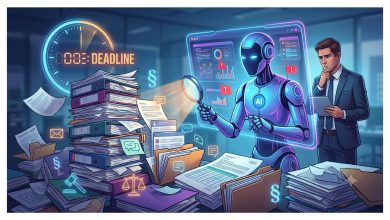
As AI adoption accelerates, a countertrend has emerged that reinforces the old saying: what goes around comes around. After spending years looking for ways to remove friction from everyday life, a growing number of people are embracing it by choosing to perform certain tasks without the assistance of AI and other forms of automation.
Known as “friction maxxing,” the trend reflects a growing belief that not every challenge should be streamlined away. While the term itself may be new, the underlying concept is familiar: some forms of friction are valuable because they require active participation and independent thinking rather than passive reliance on technology.
Research underscores the importance
From generating code and summarizing documents to simplifying administrative tasks, organizations across industries have been exploring how AI can improve efficiency and productivity. At the same time, its growing role in knowledge work has raised questions on whether overreliance might weaken some important foundational skills.
Recent research suggests the question deserves serious consideration. A new study conducted by scientists from Carnegie Mellon, Oxford, MIT and UCLA found that even brief use of AI reduces persistence and impairment of unassisted performance. Across a variety of tasks, the study showed while AI assistance improves performance in the short-term, people perform significantly worse without AI and are more likely to give up in their attempts.
Microsoft and Carnegie Mellon raised similar concerns in a joint study examining the impact of generative AI on workplace decision-making. Researchers found higher confidence in AI-generated outputs was associated with reduced critical thinking, while individuals with greater confidence in their own abilities were more likely to evaluate and challenge AI-generated recommendations.
For technology professionals, these findings have unique implications. Success in fields like cybersecurity, networking, systems administration and software development depends on far more than producing the correct answer. It requires understanding how systems work, identifying root causes, evaluating risk and making informed decisions in situations where there may be no obvious solution.
Experience builds expertise
In the IT world, confidence is often built by overcoming challenges and gaining experience. Troubleshooting a network outage or diagnosing a system failure can be difficult, but those experiences play a critical role in developing the judgment and analytical thinking employers seek and value. If AI removes too much of this learning process, it may also remove important opportunities for professional growth.
This is where friction maxxing, in a professional sense, can be an asset. Deliberately working through technical challenges helps individuals build and retain the ability to actively engage with a problem rather than passively receiving an answer. The IT field is constantly evolving, making it something of a never-ending classroom. The goal should not simply be arriving at the right answer but understanding how to get there.
Consider an entry-level cybersecurity analyst investigating unusual network activity. An AI tool may suggest likely causes or provide remediation steps. However, if the analyst never learns how to gather evidence, evaluate potential threats and connect technical findings to business risk, they may struggle when confronted with situations that fall outside an AI model’s recommendations.
AI avoidance isn’t the answer
It’s important to remember AI delivers meaningful value to businesses and IT teams across industries. It can help automate repetitive work, improve efficiency and allow professionals to focus on higher-level, strategic objectives. But, while AI can accelerate many tasks, it cannot replace the development that occurs when professionals work through technical challenges themselves.
For employers, this may mean creating opportunities for early-career professionals to practice troubleshooting, analysis and decision-making before relying on AI-generated recommendations. For educators and training providers, it means continuing to emphasize the core technical concepts that underpin successful careers in IT and cybersecurity. Though it may take more time at the outset, establishing that strong foundation will pay off in the long run.
Find the right balance
Artificial intelligence appears poised to play an increasingly important role in business operations as organizations explore new ways to improve efficiency and productivity. The question is no longer whether IT professionals should use AI, but how they can integrate it into their workflows without sacrificing the skills and judgment that make human expertise valuable in the first place.
The rise of friction maxxing serves as a reminder that not every challenge should be automated. As organizations continue investing in AI, they must also ensure employees have opportunities to develop and strengthen the foundational skills technology careers are built upon. The most valuable professionals won’t be those who simply know how to use AI tools, but those who understand when to rely on them – and when to employ their own expertise.