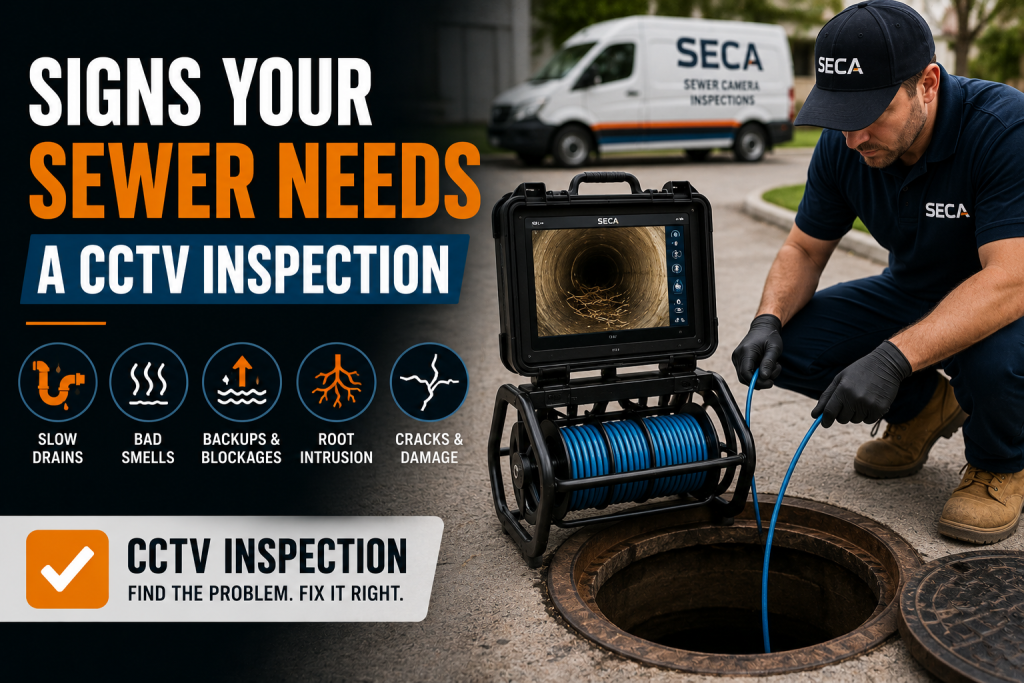
Many drainage systems show early warning signs before serious damage happens. Small issues in sewer lines often go unnoticed until they become costly repairs. Common problems like slow drains, bad smells, and recurring blockages often point to deeper underground pipe issues.
A CCTV sewer camera inspection is a modern solution that helps identify problems without digging. It gives a clear view inside pipes and helps detect cracks, blockages, and root intrusion early. This reduces repair costs and prevents major plumbing failures.
Understanding early signs helps avoid emergency situations and expensive restoration work. Most sewer issues develop slowly, so early detection is important for long-term protection.
This article explains the top warning signs and when a CCTV inspection is needed. It also helps in understanding pipe problems before they turn into serious damage.
What Is a Sewer CCTV Camera Inspection?
A sewer CCTV camera inspection is a diagnostic plumbing method used to check the inside of underground pipes. A small waterproof camera is inserted into the sewer line through an access point. The camera sends live video to a screen so technicians can see what is happening inside the pipes.
This method helps detect hidden issues such as cracks, corrosion, root intrusion, grease buildup, and blockages. It removes the need for digging and guesswork. The process is fast, accurate, and widely used in modern plumbing systems.
The camera can move through bends and long pipe sections easily. It records clear footage that helps in analysis and reporting. This allows plumbers to identify exact problem locations.
Key problems detected include:
- Pipe cracks and leaks
- Tree root intrusion
- Blockages and debris buildup
- Corrosion in old pipes
- Misaligned pipe joints
This inspection is useful for homes, commercial buildings, and property checks before buying or renovation work.
How CCTV Drain Inspection Works in Modern Plumbing Systems
CCTV drain inspection follows a simple but accurate process. First, the technician finds the access point of the sewer line, usually a drain opening or inspection chamber. The area is cleared for smooth camera entry.
A flexible waterproof camera is then inserted into the pipe. It travels through the drainage system while sending live video to a monitor. This allows real-time viewing of pipe conditions.
Technicians carefully check for damage, blockages, or structural issues. The exact location of any problem is marked using tracking tools. This helps plan precise repairs.
Common findings include cracks, tree roots, grease buildup, and pipe collapse signs. After inspection, a detailed report is prepared with results and recommendations.
This method is highly effective because it avoids unnecessary digging and provides accurate results. It helps plumbers understand the full condition of the sewer system quickly.
10 Clear Signs Your Sewer Line Needs Immediate Inspection
Sewer problems usually start with small signs that grow over time. Ignoring them can lead to major plumbing failures. These warning signs should be taken seriously:
- Slow draining sinks, toilets, or showers
- Frequent blockages in multiple drains
- Bad sewer smell inside or outside the property
- Gurgling sounds coming from pipes
- Water backing up in toilets or floor drains
- Wet patches or green grass spots in the yard
- Sudden increase in insects or pests
- Cracks forming in walls or floors
- Old clay or metal pipes in the system
- Repeated plumbing issues after repairs
Each of these signs indicates a possible hidden sewer issue. Multiple symptoms often mean a deeper blockage or pipe damage. Early inspection helps prevent expensive excavation and emergency repairs. CCTV inspection provides clear identification of the root cause before the situation gets worse.
Common Causes of Sewer Line Damage
Sewer line damage develops due to several natural and structural reasons. One of the main causes is tree root intrusion. Roots enter small pipe cracks and grow inside, causing blockages.
Pipe corrosion is another major issue, especially in older metal or clay pipes. Over time, pipes weaken and start leaking. Soil movement can also shift pipes and create gaps or cracks.
Grease and waste buildup is a common problems in household drains. It slowly reduces water flow and leads to complete blockage. Foreign objects flushed into drains also create a serious obstruction.
Heavy rainfall and ground pressure can overload sewer systems. Poor installation or low-quality materials increase the risk of early damage.
Understanding these causes helps in preventing long-term sewer problems. Regular inspection is the best way to detect issues early before they become severe.
Why CCTV Sewer Inspection Is Better Than Traditional Methods
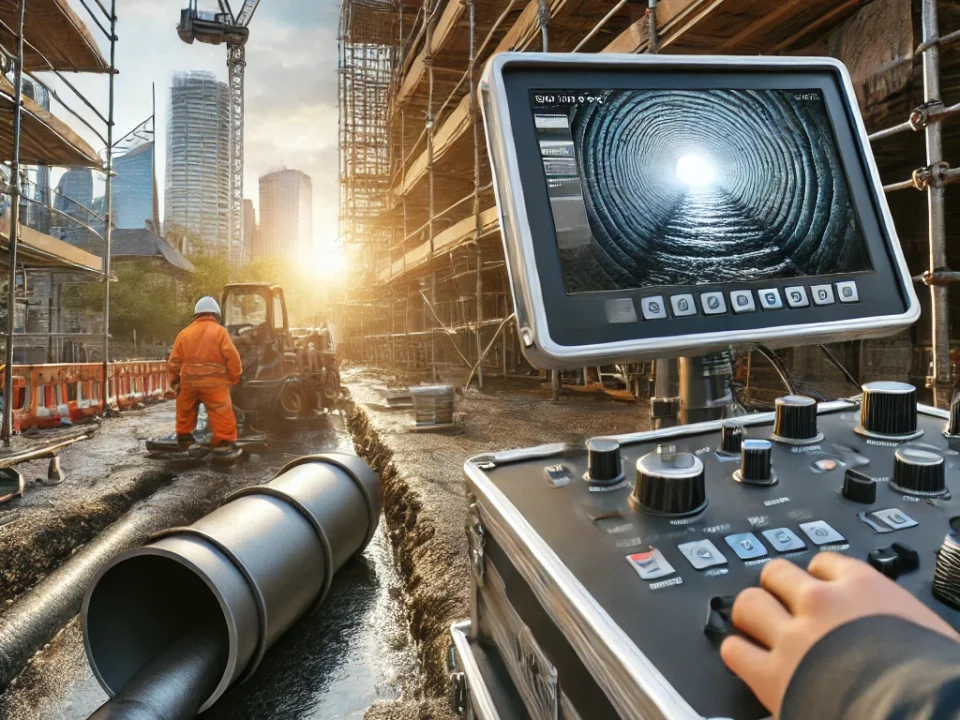
CCTV sewer inspection is far more effective than traditional methods. Earlier techniques relied on guessing or digging large areas to find problems. This caused damage and increased repair costs.
With CCTV technology, plumbers can directly see inside pipes. This helps identify exact issues without excavation. It saves time, money, and reduces disruption to property.
Traditional methods often miss small cracks or early damage. CCTV inspection detects even minor issues before they become serious. It provides accurate results and reduces unnecessary repairs.
Benefits include:
- No digging required
- Faster diagnosis
- Accurate problem location
- Lower repair costs
- Clear visual proof of damage
This method is widely used in modern plumbing because it is reliable and efficient. It helps homeowners make better repair decisions based on real evidence.
When Should You Book a CCTV Sewer Camera Inspection?
A CCTV sewer inspection should be booked when early warning signs appear. If drains are slow or frequently blocked, it indicates deeper pipe issues. Bad smells or gurgling noises are also warning signals.
It is highly recommended before buying a property. This helps detect hidden plumbing problems early. It prevents unexpected repair costs after purchase.
Inspections are also needed after repeated plumbing failures. If repairs do not solve the issue, the real problem is likely deeper in the system.
Other situations include home renovation or old pipe systems. Regular inspections help maintain pipe health and prevent sudden breakdowns.
Early booking of an inspection ensures problems are detected before they become serious. It protects property structure and reduces long-term maintenance costs.
Benefits of Professional Sewer Camera Inspection Services
Professional sewer inspections provide many advantages. One major benefit is early problem detection. Hidden issues like cracks or blockages are identified before damage spreads.
It also reduces repair costs by avoiding unnecessary digging. Only the affected pipe section is repaired, saving money and time.
Other benefits include:
- Extended pipe lifespan
- Accurate problem diagnosis
- Non-invasive inspection method
- Better maintenance planning
- Clear video evidence of damage
Professional services ensure reliable results using advanced tools. This improves decision-making for repairs and maintenance. It is a smart investment for long-term plumbing health.
CCTV Sewer Inspection Process Step-by-Step
The inspection process is simple and structured. First, the access point is located and cleared for camera entry. Then the waterproof camera is inserted into the pipe system.
The camera moves through the sewer line while sending live footage. Technicians observe internal pipe conditions on a monitor. Any issues are recorded and marked.
After inspection, results are analysed, and a detailed report is created. This includes problem locations and repair suggestions.
This process helps detect hidden damage without excavation. It is fast, accurate, and widely used in modern plumbing systems.
Cost of Sewer CCTV Camera Inspection
The cost of CCTV sewer inspection depends on several factors. Property size is a major factor because larger systems take more time to inspect. Pipe condition and complexity also affect pricing.
Older systems or hard-to-reach pipes may require extra effort. Location and service provider rates can also change the final cost.
Despite this, CCTV inspection is cost-effective compared to traditional digging methods. It reduces unnecessary repair work and helps detect issues early.
In most cases, the long-term savings are much higher than the inspection cost. It prevents expensive emergency repairs and structural damage.
Preventive Tips to Avoid Sewer Line Problems
Preventing sewer problems requires regular care and good habits. Avoid pouring grease, oil, or food waste into drains. These materials cause blockages over time.
Flush only safe materials into toilets. Avoid chemical cleaners that can damage pipes. Regular drain cleaning helps maintain flow.
Tree planting near sewer lines should be avoided. Roots can enter pipes and cause damage.
Preventive tips include:
- Proper waste disposal
- Regular drain maintenance
- Avoiding harsh chemicals
- Monitoring tree growth near pipes
- Scheduling routine inspections
These steps help maintain a healthy sewer system and reduce repair costs.
Frequently Asked Questions
Q1: How long does a sewer CCTV inspection take?
A typical sewer CCTV camera inspection usually takes between 30 minutes and 2 hours. The exact time depends on the length of the sewer line, the number of bends, and how severe the blockage or damage is. Simple residential systems with clear access points are faster to inspect.
Q2: Is CCTV sewer inspection necessary for new homes?
Yes, a CCTV sewer inspection is highly recommended for new homes. Even newly built properties can have hidden plumbing issues caused by poor installation, construction debris, or shifted pipes during building work. A camera inspection ensures the sewer system is properly aligned and free from early defects.
Q3: Can sewer problems be fixed without digging?
Yes, many sewer problems can be repaired without digging using modern trenchless repair methods. These include pipe relining and pipe patching, which fix cracks and leaks from inside the existing pipe. CCTV inspection plays a key role in identifying the exact location and severity of the damage before repairs begin.
Q4: How often should sewer lines be checked?
Sewer lines should generally be inspected every 1 to 2 years for older properties or homes with recurring drainage issues. Newer systems may not need frequent checks unless warning signs appear. Regular inspection helps detect early problems such as root intrusion, corrosion, or buildup before they turn into major failures.
Q5: What problems can CCTV detect in sewer lines?
A CCTV sewer camera inspection can detect a wide range of hidden plumbing issues that are not visible from the surface. These include pipe cracks, joint displacements, corrosion, root intrusion, grease buildup, and partial or full blockages. It can also identify collapsed pipe sections and misaligned drainage lines caused by ground movement.