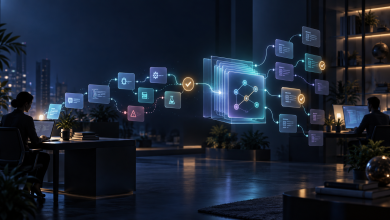
AI-powered energy management is transforming how modern homes store and use electricity. As solar adoption grows and energy prices fluctuate, homeowners are turning to smart battery systems that can automatically optimize charging, discharging, and energy distribution. Unlike traditional setups, AI-driven systems analyze weather forecasts, household demand, and grid pricing in real time to improve efficiency and reduce costs.
This technology is changing the future of home battery storage by making energy systems more predictive, adaptive, and intelligent. With IoT devices, smart inverters, and advanced analytics, residential energy storage is evolving into a fully automated ecosystem. For smart homes and solar installations, this shift represents a major step toward energy independence and efficiency.
The Evolution of Home Battery Storage Systems
Early residential battery systems were relatively simple. Their primary purpose was to store excess electricity generated by rooftop solar panels for use later in the day. Most systems operated on basic charging and discharging schedules with limited automation.
While effective at storing energy, these traditional systems lacked flexibility and intelligence. They could not predict energy demand, adapt to changing weather conditions, or respond dynamically to utility pricing fluctuations.
Modern battery storage systems are significantly more advanced. Today’s smart energy platforms combine:
- Artificial intelligence
- Machine learning algorithms
- Smart inverters
- IoT-connected sensors
- Cloud-based energy analytics
- Advanced battery management systems
- Real-time grid communication
This evolution allows residential energy systems to make autonomous decisions that maximize efficiency and reduce waste.
In many ways, modern home batteries are no longer simply storage devices. They are becoming intelligent energy management hubs that coordinate energy flows throughout the home.
What Is AI-Powered Energy Management?
AI-powered energy management refers to the use of artificial intelligence and machine learning to monitor, analyze, and optimize household electricity use automatically.
Unlike traditional energy systems that rely on static rules, AI-driven platforms continuously process real-time data from multiple sources, including:
- Household electricity consumption
- Solar panel production
- Weather forecasts
- Battery charge levels
- Utility rate schedules
- Appliance behavior
- Grid demand conditions
The AI system then predicts future energy needs and adjusts battery charging and discharging strategies accordingly.
For example, if the platform forecasts cloudy weather for the following day, it may decide to charge the battery overnight while electricity prices are low. If high electricity demand is expected during evening hours, the system can preserve stored solar energy for later use.
This predictive capability allows homeowners to use energy more efficiently without manually controlling the system.
How AI Improves Solar Self-Consumption
One of the biggest challenges with residential solar energy is balancing production and consumption. Solar panels generate the most electricity during daylight hours, but many households use the most electricity during the evening.
AI helps bridge this gap by intelligently managing battery storage and household energy usage.
Predicting Solar Generation
AI systems use weather forecasts, seasonal patterns, cloud cover analysis, and historical production data to estimate future solar generation levels.
This enables the battery system to prepare in advance by:
- Reserving storage capacity
- Adjusting charging schedules
- Prioritizing critical loads
- Reducing unnecessary grid imports
For homeowners, this means more solar energy can be consumed directly rather than exported to the grid at lower compensation rates.
Forecasting Household Energy Demand
AI also learns household energy habits over time. The system can identify patterns such as:
- Evening air conditioning usage
- Electric vehicle charging routines
- Weekend consumption spikes
- Appliance scheduling trends
- Seasonal electricity demand changes
Using predictive analytics, the system allocates stored energy more strategically throughout the day.
For example, if AI detects that household electricity usage consistently rises after sunset, it may conserve battery reserves during the afternoon to reduce expensive grid consumption later.
Real-World Example of AI Energy Optimization
Several advanced residential energy platforms already use AI-driven optimization to improve battery performance.
In regions with time-of-use electricity pricing, some homeowners use AI-managed battery systems to automatically charge batteries during low-cost overnight periods and discharge energy during expensive peak-rate hours. This strategy can significantly reduce electricity bills while improving overall solar self-consumption.
Virtual power plant programs in areas such as California and Australia are also demonstrating how AI-connected home batteries can support broader grid stability. Thousands of residential batteries can work together as decentralized energy resources that help utilities reduce strain during periods of high demand.
These real-world deployments show how AI is moving home battery storage beyond simple backup functionality into intelligent grid participation.
The Role of IoT in Smart Battery Storage
The Internet of Things plays a critical role in intelligent residential energy systems. IoT devices enable various components in the home to communicate continuously in real time.
Connected devices may include:
- Smart thermostats
- Solar inverters
- EV chargers
- Smart appliances
- Energy monitoring systems
- Battery sensors
- Smart meters
This network of connected devices generates constant streams of data that AI platforms use to optimize energy decisions.
For example, if a smart EV charger suddenly increases electricity demand, the AI system can immediately adjust battery discharge rates to avoid costly peak grid usage.
This real-time coordination improves overall system efficiency and creates a more responsive energy ecosystem.
Smart Inverters Are Becoming Central to AI Energy Systems
Smart inverters are no longer simple energy conversion devices. They now serve as critical communication and control centers within modern residential energy systems.
AI-enabled smart inverters can:
- Monitor grid conditions
- Manage solar energy flow
- Optimize battery charging
- Detect system inefficiencies
- Improve voltage stability
- Coordinate backup power transitions
- Communicate with utility providers
These advanced capabilities allow battery systems to operate more intelligently while improving overall energy reliability.
For solar installers and energy solution providers, smart inverter integration is becoming essential for delivering future-ready residential storage systems.
Why Predictive Analytics Matters in Home Energy Storage
Predictive analytics is one of the most valuable benefits of AI-powered energy management, as it enables systems to make proactive rather than reactive decisions.
Lower Electricity Costs
Many utility companies now use dynamic electricity pricing models where rates increase during high-demand periods.
AI systems analyze these pricing schedules and strategically charge batteries when electricity is cheapest. Stored energy can then be used during expensive peak-rate periods.
This reduces grid dependence and improves long-term energy savings.
Improved Battery Lifespan
Battery health is heavily influenced by charging patterns, temperature conditions, and cycling behaviour.
AI optimization helps:
- Prevent overcharging
- Reduce deep discharge cycles
- Manage thermal conditions
- Minimize unnecessary battery stress
These improvements can extend battery lifespan and improve return on investment for homeowners.
Smarter Backup Power Planning
AI can also improve emergency preparedness during power outages or severe weather events.
If the system predicts a storm or grid instability, it may reserve additional battery capacity for critical household appliances such as:
- Refrigerators
- Medical equipment
- Internet routers
- Security systems
- Essential lighting
This intelligent backup planning improves energy resilience during emergencies.
Traditional vs AI-Powered Battery Systems
| Traditional Battery Systems | AI-Powered Battery Systems |
| Fixed charging schedules | Dynamic optimization |
| Limited forecasting ability | Predictive analytics |
| Basic monitoring | Real-time IoT monitoring |
| Manual adjustments | Automated decision-making |
| Reactive energy usage | Proactive energy management |
| Standard backup functionality | Intelligent backup prioritization |
This shift from reactive to predictive energy management is one of the biggest technological advancements in residential energy storage.
AI and Dynamic Grid Interaction
As power grids become more decentralized, AI-powered home batteries are beginning to interact directly with utility networks.
This enables participation in:
- Demand response programs
- Virtual power plants
- Peak demand reduction
- Grid stabilization services
- Residential energy trading
In some markets, utilities already compensate homeowners for allowing their batteries to support the grid during periods of high electricity demand.
AI systems continuously monitor grid conditions and determine the most efficient times to store or export electricity.
In the future, millions of AI-connected residential batteries may collectively serve as distributed energy resources that support national energy infrastructure.
Why Battery Capacity Still Matters in AI-Powered Home Energy Systems
Although AI dramatically improves efficiency, battery capacity still plays a major role in residential energy performance.
Smart software can optimize energy use, but the physical storage capacity determines how much electricity a home can reserve for backup power and solar self-consumption.
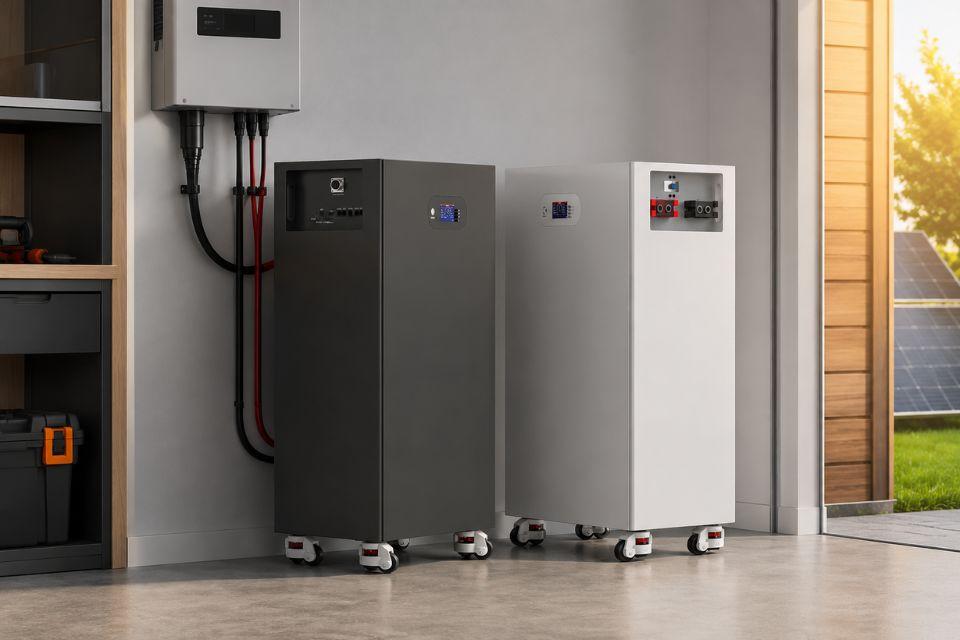
Larger systems, such as a 30kWh battery, are becoming increasingly popular for homes with:
- High electricity consumption
- Whole-home backup requirements
- Electric vehicle charging needs
- Large rooftop solar installations
- Smart appliance ecosystems
AI can maximize the value of stored electricity, but sufficient storage capacity remains essential for achieving greater energy independence.
AI-Based Planning for Larger Residential Battery Systems
Growing electrification is increasing demand for larger residential battery systems. Homes equipped with electric vehicles, heat pumps, induction cooking systems, and advanced smart technologies often require more substantial storage capacity.
A 30 kWh solar battery provides greater flexibility for AI-powered energy management, as larger storage reserves enable the software to optimize energy use over longer periods.
For example, AI can use larger storage systems to:
- Store excess solar production for nighttime usage
- Shift large energy loads away from peak utility hours
- Prepare for multi-day outages
- Support overnight EV charging
- Reduce dependence on unstable grids
This combination of intelligent software and high-capacity battery storage is becoming increasingly important for modern smart homes.
The Importance of AI-Enhanced Battery Management Systems
Battery management systems are critical for maintaining battery safety, efficiency, and reliability. AI is making these systems far more intelligent and predictive.
Modern AI-enhanced BMS platforms can:
- Detect abnormal battery behaviour
- Predict maintenance requirements
- Monitor temperature conditions
- Balance battery cells automatically
- Prevent thermal stress
- Optimize charging efficiency
These advanced capabilities improve both battery safety and long-term operational performance.
For installers and project developers, intelligent BMS integration is quickly becoming a key competitive advantage.
How Smart Homes Benefit From AI Energy Management
Smart homes generate large amounts of real-time operational data, making them ideal environments for AI-driven energy optimization.
AI can coordinate energy usage across:
- HVAC systems
- Smart lighting
- Connected appliances
- EV chargers
- Solar panels
- Home battery systems
- Security devices
For example, during peak electricity pricing periods, the AI platform may temporarily reduce non-essential energy usage while prioritizing critical household functions.
This coordinated approach improves overall energy efficiency without requiring constant homeowner involvement.
Over time, machine learning algorithms become more accurate as they process additional household data and usage patterns.
Challenges Facing AI-Powered Battery Systems
Despite rapid innovation, AI-powered energy systems still face several important challenges.
Data Privacy and Cybersecurity
AI energy systems rely heavily on household usage data. Protecting this information through secure cloud infrastructure and cybersecurity measures is essential.
System Complexity
Advanced AI-driven systems can sometimes feel overly technical for average homeowners. User-friendly interfaces and simplified controls will remain important for broader adoption.
Initial Investment Costs
Although battery prices continue to decline globally, intelligent storage systems still require substantial upfront investment. However, long-term savings and improved energy resilience often justify these costs.
Regulatory and Grid Limitations
Energy regulations differ widely across regions. Policies governing virtual power plants, energy exports, and distributed storage participation are still evolving in many markets.
The Growing Role of Advanced Energy Storage Providers
As demand for intelligent energy systems increases, energy storage providers are expanding beyond battery manufacturing into complete smart energy solutions.
Companies like Avepower are helping support this transition by offering advanced energy storage solutions designed for modern residential and commercial applications. Avepower also provides OEM/ODM customization services for installers, distributors, and project developers seeking tailored battery storage solutions for specific energy requirements.
As AI-powered residential energy systems continue evolving, flexible and scalable energy storage platforms will become increasingly valuable across global markets.
The Future of AI in Residential Energy Storage
The future of home battery storage will likely become even more autonomous, intelligent, and interconnected.
Emerging AI capabilities may eventually include:
- Automated energy trading
- AI-driven appliance scheduling
- Neighbourhood energy-sharing networks
- Advanced outage prediction
- Carbon-aware energy optimization
- Self-healing energy systems
As machine learning models continue improving, residential battery systems will become increasingly capable of making highly accurate energy decisions with minimal homeowner intervention.
The integration of AI, solar power, IoT, and intelligent battery storage is steadily transforming homes into adaptive energy ecosystems capable of operating as decentralized microgrids.
Conclusion
AI-powered energy management is changing the future of home battery storage by transforming residential batteries into intelligent energy optimization systems. Through predictive analytics, IoT monitoring, smart inverters, and AI-enhanced battery management systems, homeowners can use solar energy more efficiently while improving backup reliability and reducing electricity costs.
As power grids become more decentralized and energy demand continues to grow, AI-driven battery systems will play a major role in the future of residential energy infrastructure. While battery capacity remains essential, artificial intelligence is unlocking significantly greater value from every stored kilowatt-hour.
FAQs
How does AI-powered energy management improve home battery performance?
AI improves battery performance by analyzing energy consumption patterns, weather forecasts, utility pricing, and solar generation data to automatically optimize charging and discharging.
Can AI-powered batteries reduce electricity bills?
Yes. AI systems can charge batteries during low-cost electricity periods and use stored energy during expensive peak-rate hours, helping reduce overall utility costs.
What role does IoT play in home battery storage?
IoT devices provide real-time monitoring data from connected appliances, solar systems, and energy meters. AI uses this data to improve energy optimization and system efficiency.
Is a larger battery necessary even with AI optimization?
Yes. AI improves efficiency, but battery capacity still determines how much electricity can be stored for backup power and solar self-consumption.
What are smart inverters in AI energy systems?
Smart inverters manage solar energy conversion, optimize battery charging, communicate with the grid, and support intelligent energy management functions.
How does predictive analytics improve residential energy storage?
Predictive analytics helps AI systems forecast household energy demand, solar production, weather conditions, and changes in electricity prices, enabling batteries to make proactive energy decisions.
Upgrade your energy storage solution
As AI-powered energy management continues to reshape residential energy storage, choosing the right battery platform becomes increasingly important. Companies like Avepower are supporting this shift with advanced energy storage solutions designed for modern smart homes, solar systems, and scalable backup applications. From intelligent battery integration to flexible OEM/ODM customization services, Avepower helps installers, distributors, and homeowners build smarter and more efficient energy ecosystems for the future.