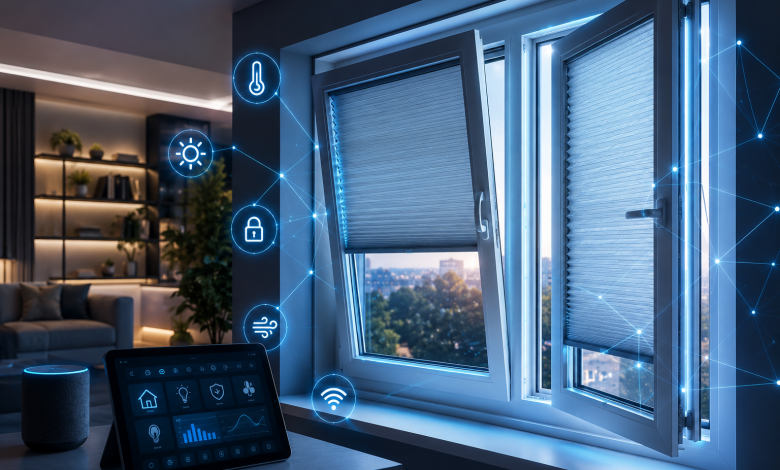
Artificial intelligence is transforming the way modern homes operate. From AI-powered lighting and climate systems to predictive automation and energy optimization, smart homes are becoming increasingly intelligent. But one overlooked area where AI-focused design trends are influencing homeowners is window treatment technology, especially for modern tilt and turn windows.
As AI-driven homes prioritize efficiency, minimalism, automation readiness, and clean architectural integration, traditional blinds are starting to feel outdated. Homeowners now want window solutions that work seamlessly with modern living spaces, advanced ventilation systems, and future-ready smart home environments.
Tilt and turn windows have become increasingly popular in condos, new-build homes, and contemporary renovations because they combine ventilation, accessibility, and minimalist aesthetics in one system. But while the windows themselves are modern, many traditional blinds still struggle to keep up with how these windows actually move.
That mismatch has created growing demand for more intelligent and integrated solutions that align with the future of AI-enhanced interior design.
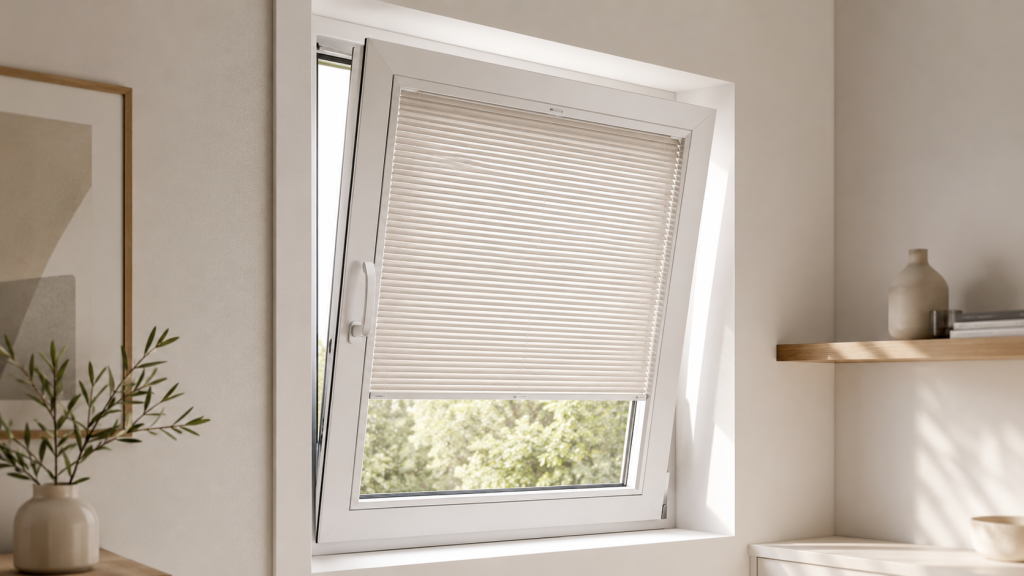
Window fit blinds are designed specifically to work with inward-opening windows, helping homeowners avoid many of the frustrations caused by standard blinds. Instead of hanging loosely in front of the glass, they stay close to the frame and move more naturally with the sash.
In AI-inspired homes where every detail is expected to feel optimized and intentional, this type of precision matters more than ever. Smart interior design is no longer only about digital devices. It is also about creating frictionless everyday experiences.
For homeowners researching practical solutions for tilt-and-turn windows, Ray Blinds offers a window-fit system designed to stay aligned when the window tilts or turns, while maintaining a clean, modern appearance.
Why AI-Era Homes Need Smarter Window Solutions
AI-driven home design has changed expectations around how living spaces should function.
Modern architecture has also changed the way windows function. Tilt and turn systems allow users to either tilt the top inward for airflow or fully swing the window open from the side. While this flexibility improves ventilation and usability, it also creates challenges for traditional blinds.
Standard blinds were originally designed for fixed windows or outward-opening systems. When installed on tilt and turn windows, they often create friction between aesthetics and functionality.
Homeowners commonly experience issues such as:
- Blinds swinging away from the window during ventilation
- Bottom rails knocking against the glass
- Chains and cords interfering with movement
- Uneven blind positioning after opening the sash
- Reduced accessibility around the frame
- Constant manual readjustment
- A cluttered or improvised appearance
While these issues may seem minor initially, they become increasingly frustrating in spaces where windows are used daily.
This is where window fit blinds stand apart.
What Makes Window Fit Blinds Better for AI-Inspired Homes?
Window fit blinds are engineered to sit close to the glass instead of hanging loosely in front of the frame. This creates a more integrated appearance while improving stability during movement.
The concept is simple but effective: the blind should behave as part of the window system rather than as a separate object competing with it.
This approach aligns perfectly with AI-focused design philosophy, where products are expected to integrate naturally into the environment instead of disrupting it.
This design is especially useful for:
- Tilt and turn windows
- Tilt-and-turn patio doors
- French doors
- Modern condo windows
- Narrow window frames
- Large glass panels
- Frequently opened windows
Because the blind remains aligned with the sash, homeowners experience smoother operation and less visual disruption.
Why Stability Matters in Automated Living Spaces
One of the most important advantages of window fit blinds is movement control.
In AI-enhanced smart homes, airflow and environmental control have become major design priorities. Kitchens, bedrooms, and home offices often rely on tilt functionality for natural ventilation. Traditional blinds can make this process inconvenient because they shift or swing every time the window is opened.
Window fit blinds reduce that problem by staying controlled during movement.
Ray Blinds highlights this as one of the key benefits of its system, noting that the blinds remain aligned with the window during tilt and turn operation instead of swinging away from the glass.
The result is a smoother everyday experience:
- Windows can be tilted without repositioning the blind
- Ventilation feels more practical
- The blind maintains a cleaner appearance
- The window area remains uncluttered
For homeowners who use their windows frequently, this difference becomes noticeable very quickly.
AI Design Trends Are Driving Minimalist Interiors
AI-inspired interior design trends continue moving toward cleaner lines, lighter spaces, hidden technology, and simplified finishes. Bulky window coverings often interrupt that aesthetic.
Window fit blinds support a more architectural appearance because they sit tightly within the window area. Instead of layering over the frame, they appear visually connected to it.
This works particularly well in:
- Minimalist interiors
- Contemporary homes
- Condos
- Scandinavian-inspired spaces
- Kitchens with slim trim details
- Bedrooms with modern finishes
- Rooms with large glass surfaces
Ray Blinds describes the system as a clean fit inside the frame that creates a finish looking intentional rather than improvised.
That subtle integration is one reason window fit blinds are becoming increasingly popular in newer residential spaces.
Why Homeowners Want No-Drill Solutions
Another growing trend in home improvement is the move toward non-invasive installations.
Many homeowners do not want to drill directly into modern window frames, especially in:
- Newly built homes
- Rental properties
- Condo units
- Spaces with premium trim finishes
- Modern black or white frame systems
Once drilled, holes can permanently affect the appearance of the frame.
Ray Blinds’ window-fit system is designed to avoid drilling into the window frame, helping preserve clean trim work and modern finishes.
This creates several advantages:
- Cleaner visual results
- Reduced frame damage
- Better suitability for rentals and condos
- Easier long-term maintenance
- A more refined installation appearance
As homeowners become more design-conscious, preserving the integrity of window frames has become an increasingly important factor.
AI Smart Homes Prioritize Better Ventilation
Airflow and natural ventilation remain major priorities in AI-driven smart living spaces, especially as homeowners focus more on comfort optimization and energy efficiency.
Tilt and turn windows are specifically designed to improve air circulation while maintaining security and convenience. However, this benefit is reduced when blinds interfere with the window’s operation.
Window fit blinds allow homeowners to use ventilation features more naturally because the blind stays controlled during movement.
This is especially useful in:
- Kitchens during cooking
- Bedrooms at night
- Home offices during work hours
- Living rooms with large windows
- Condos with limited airflow options
A good window covering should enhance the functionality of the window rather than limit it.
Why Window Fit Blinds Also Work Well on Doors
The same design challenges found on tilt and turn windows also appear on patio doors and French doors.
Traditional blinds often swing excessively when doors open and close, creating instability, noise, and visual clutter.
Ray Blinds notes that its window-fit system is also effective for:
- Patio doors
- French doors
- Balcony doors
- Large glass door systems
- Frequently used exterior openings
Because the blinds stay closer to the surface, they feel more controlled during daily movement.
This improves both practicality and appearance.
Privacy Matters More in the AI Era
Privacy has become increasingly important in AI-connected homes and modern residential design, particularly in urban areas and high-density housing.
Standard blinds can leave inconsistent gaps when they shift during use. Window fit blinds help reduce this issue because they remain positioned closer to the glass.
This creates more reliable coverage in:
- Bedrooms
- Bathrooms
- Ground-floor rooms
- Street-facing windows
- Condo units
- Home offices
- Patio doors
The result feels cleaner, more secure, and visually balanced.
Smart Homes Still Need Practical Light Control
Although movement and aesthetics are major advantages, practical light control remains equally important.
Depending on fabric selection and opacity, window fit blinds can help:
- Reduce glare
- Soften direct sunlight
- Improve screen visibility
- Create a calmer room atmosphere
- Support daytime privacy
This is particularly valuable in:
- Living rooms with strong afternoon light
- Home offices with monitors
- Bedrooms needing balanced privacy
- Kitchens with bright exposure
- Patio areas receiving direct sun
Ray Blinds also notes that window-fit blinds combine practical light control with a more integrated and stable design.
Why Custom Sizing Is Essential
Precision matters when working with tilt and turn windows.
Because these systems often feature tight margins and modern trim details, poorly sized blinds can quickly look uneven or unfinished.
Custom sizing improves:
- Alignment
- Daily operation
- Coverage consistency
- Stability
- Visual symmetry
- Multi-window coordination
Ray Blinds sizes its blinds to match tilt-and-turn frames so they sit straight, operate smoothly, and maintain consistency across multiple windows.
This becomes especially important in open-concept homes and condo layouts where multiple windows are visible at the same time.
The Best Spaces for Window Fit Blinds
Window fit blinds work particularly well in spaces where windows are used frequently.
Kitchens
Ventilation matters in kitchens. A blind that stays controlled during airflow creates a cleaner and more functional setup.
Bedrooms
Bedrooms require privacy, light management, and visual calm. A close-fitting blind supports all three without adding bulky hardware.
Condos
Modern condos often feature large windows, slim frames, and minimalist architecture. Window fit blinds complement this style naturally.
Living Rooms
Living rooms benefit from balanced light control and cleaner aesthetics. A lower-profile blind helps maintain an open feeling.
Patio Doors
Doors require stability during movement. Window fit blinds reduce swinging and improve usability.
Window Fit Blinds vs Standard Blinds
Both systems can cover a window, but they behave very differently during everyday use.
Standard blinds typically hang independently in front of the frame. While they can work well on fixed windows, they are less effective on inward-opening systems.
Window fit blinds are designed around sash movement.
The difference becomes clear during daily operation:
- Standard blinds may swing during ventilation
- Window fit blinds remain more aligned
- Standard blinds can appear bulky on modern frames
- Window fit blinds create a cleaner integrated look
- Standard blinds often require readjustment
- Window fit blinds feel smoother and more controlled
For homeowners regularly using tilt and turn functionality, window fit blinds are usually the more practical option.
Questions Homeowners Should Ask Before Choosing Blinds
Before selecting blinds for tilt and turn windows, homeowners should consider several practical questions:
- How often is the window opened?
- Is the tilt function used daily?
- Is a no-drill setup preferred?
- Does the room require additional privacy?
- Is the frame narrow or modern?
- Will multiple windows need matching blinds?
- Is a cleaner, built-in appearance important?
- Would loose blinds interfere with airflow or access?
These questions help determine whether a window-fit solution is the right choice.
In many modern homes, the answer increasingly appears to be yes.
Why Homeowners Are Looking at Ray Blinds
Choosing blinds for tilt and turn windows requires more than selecting a fabric or colour.
Measurement accuracy, movement compatibility, and installation quality all affect long-term performance.
Ray Blinds simplifies the process by recommending suitable window-fit solutions based on:
- Window type
- Room usage
- Number of openings
- Desired finish
- Installation requirements
Their process includes:
- Sharing window details and quantity
- Receiving product recommendations and pricing
- Final measurements and sizing
- Installation
- A post-install walkthrough
This helps homeowners achieve a more consistent result without needing to guess which blind style will work best.
Final Thoughts: Why AI-Focused Homes Are Moving Toward Window Fit Systems
Tilt and turn windows are designed for modern living. In the era of AI-powered homes, they also support smarter airflow management, cleaner aesthetics, and more efficient living environments.
But traditional blinds were not built with this movement system in mind.
Window fit blinds solve many of the issues associated with standard blinds by staying close to the glass, remaining aligned during movement, and creating a more integrated appearance.
They are particularly effective for:
- Tilt and turn windows
- Patio doors
- French doors
- Condos
- Kitchens
- Bedrooms
- Contemporary living spaces
Ray Blinds offers a window-fit solution designed for homeowners who want blinds that work smoothly with the way modern windows are actually used.
If a window is built to tilt, turn, and open inward, the blinds should be designed to move with it.