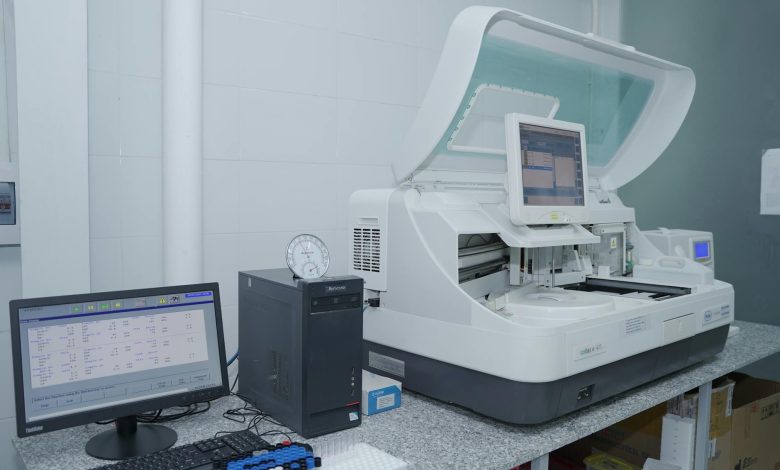
Welcome to the world of modern laboratory operations! If you’re looking for ways to improve how your lab manages information, you’ve come to the right place. A laboratory information management system (LIMS) is a powerful software solution designed to streamline processes, enhance data accuracy, and simplify complex workflows. This guide will walk you through what a LIMS is, its essential features, and the major benefits it can bring to your lab. Let’s explore how this technology can transform your information management and boost overall efficiency.
Key Highlights
- A laboratory information management system (LIMS) is vital for modern labs, helping to automate and streamline laboratory operations.
- Key functions include sample tracking, workflow automation, and managing data with high integrity.
- Implementing a LIMS enhances data accuracy, improves operational efficiency, and ensures regulatory compliance.
- Choosing the right LIMS involves assessing your lab’s specific needs, budget, and desired features.
- LIMS software centralizes information, reduces human error, and supports complex laboratory informatics.
- This system is crucial for maintaining quality control and supporting audit trails for compliance.
What is LIMS Software and Its Role in Modern Laboratories
So, what exactly is LIMS software? Think of it as the central nervous system for your lab. It’s a software application designed to manage and track samples, experiments, results, and workflows, replacing manual or fragmented processes. In today’s data-driven environment, modern laboratories rely on LIMS for efficient data management and laboratory informatics.
Its role is to centralize information, automate tasks, and ensure that all laboratory operations run smoothly. From sample check-in to final reporting, a LIMS provides a structured system to handle vast amounts of laboratory information, making it a cornerstone of laboratory information management. Now, let’s look closer at its core definition and how it functions.
Core Definition: What Is LIMS?
A laboratory information management system, or LIMS, is a software-based solution that supports a modern lab’s complex data and workflow needs. It functions much like other data management systems used in business, such as a customer relationship management (CRM) platform for sales or an enterprise resource planning (ERP) system for finance. The primary goal is to automate and manage processes that were previously manual and prone to error.
This type of laboratory information system is specifically designed for research and development environments. It addresses the unique requirements of labs that need precise data handling, quality control, traceability, and audit trails for regulatory compliance. A LIMS solution provides a framework for managing everything from sample data to experimental results.
Essentially, a LIMS is a powerful database created for laboratory management. As a key part of laboratory informatics, it streamlines and organizes product research, development, and testing, ensuring all data is handled with the utmost accuracy and integrity.
How LIMS Works in a Laboratory Setting
In a practical sense, a LIMS works by standardizing and centralizing all the data, processes, and tasks within a lab. Imagine a lab where researchers track samples using different methods, from pen and paper to spreadsheets. This creates a high risk of human error, missing results, and inconsistent data. A LIMS eliminates these issues through systematic sample management.
The process begins when a sample arrives. The LIMS assigns a unique identifier and records all associated data, like source, collection date, and volume. As the sample moves through its workflow, the system captures every detail, including test results and who handled it. This comprehensive sample tracking ensures a complete, auditable history for every sample.
This level of workflow automation and standardized data entry means everyone follows the same procedures. By digitizing protocols, the LIMS ensures that every lab tech performs the correct steps in the correct order, which is crucial for achieving accurate and repeatable results in all lab operations.
Key Features of LIMS Software
When exploring a LIMS, you’ll find it’s packed with features designed to make lab life easier and more accurate. The core capabilities revolve around robust data management and meticulous sample tracking. A good system provides a centralized platform for all your laboratory information, ensuring everything is organized, secure, and easily accessible to authorized personnel.
Essential features often include electronic signatures and complete audit trails, which are critical for regulatory compliance. These tools help track every action within the system, providing a transparent record for inspections. Let’s examine some of the most important features, like sample management and workflow automation, in more detail.
Sample Tracking and Management
A primary function of any LIMS is sample tracking and management. This process starts the moment a sample enters your laboratory and continues through its entire lifecycle, including testing and storage. The system records all initial data, such as the sample’s unique identifier, source, and collection details. This creates a complete digital record from the very beginning.
As the sample progresses through various laboratory operations, the LIMS continues to capture more data. This includes test results, any derived sample information, and time-based study metrics. The system also tracks who interacted with the sample and its physical location at all times, whether it’s in a specific freezer slot or pooled with other samples for batch testing.
This meticulous tracking is fundamental to maintaining data integrity. By assigning a unique identifier, often through a barcode label, the LIMS ensures that no sample is ever lost or mixed up. All this valuable information is stored securely within the system, providing a reliable foundation for your research.
Workflow Automation and Protocol Management
Another powerful aspect of a LIMS is workflow automation. This feature helps standardize your lab’s protocols and procedures, ensuring consistency no matter who is performing the test. By digitizing your Standard Operating Procedures (SOPs), the LIMS guides lab technicians through the correct steps in the correct sequence, which is vital for obtaining accurate and repeatable results.
This standardization is a cornerstone of good laboratory informatics. When a sample arrives, the LIMS can automatically assign the appropriate protocol and manage test assignments for the team. This automation of routine tasks significantly improves operational efficiency and reduces the chance of human error during process development.
Workflow automation streamlines several key activities, leading to a more efficient lab. Key benefits include:
- Reduced Manual Effort: Automating test assignments and data capture frees up staff to focus on more critical tasks.
- Enhanced Consistency: Ensures every sample is processed according to the correct, approved protocol version.
- Improved Turnaround Time: Speeds up the entire testing process from sample arrival to final report distribution.
Main Benefits of Implementing LIMS for Laboratories
Implementing a LIMS brings transformative benefits to any lab. The most immediate advantages are enhanced data accuracy and improved operational efficiency. By automating data capture and workflows, a LIMS significantly reduces the risk of human error that comes with manual processes. This leads to more reliable results and better quality control across all laboratory operations.
Furthermore, a LIMS is essential for achieving and maintaining regulatory compliance. It provides the necessary tools, like audit trails and electronic records, to meet strict industry standards. As we explore the benefits further, you’ll see how a LIMS can improve data accessibility and help your lab adhere to complex regulations.
Enhanced Data Accuracy and Accessibility
One of the greatest benefits of a LIMS is the significant boost in data accuracy. Manual data entry is often plagued by transcription errors and inconsistencies. A LIMS minimizes these issues by automating data collection directly from instruments and enforcing standardized data entry formats. This ensures your laboratory data is clean, reliable, and maintains high integrity from the start.
In addition to accuracy, a LIMS provides a centralized system where all data is stored securely. This means authorized team members can access the information they need, when they need it, from a single location. This accessibility eliminates the need to hunt through different spreadsheets, paper notebooks, or disparate systems to find critical information, which saves time and frustration.
Moreover, features like audit trails and robust data security protocols protect your information. Every change is tracked, and role-based access controls ensure that only authorized personnel can view or modify sensitive data. This combination of accuracy, accessibility, and security makes a LIMS an indispensable tool for managing laboratory data efficiently.
Compliance with Regulatory Standards
For labs in regulated industries, maintaining regulatory compliance is not just a goal—it’s a requirement. A LIMS is specifically designed to help your lab meet these stringent demands, such as those outlined by the FDA’s 21 CFR Part 11. It provides the framework to ensure your data and processes are audit-ready at all times.
Key features that support regulatory compliance include electronic signatures, comprehensive audit trails, and secure data records. Electronic signatures replace handwritten ones for approvals, while audit trails create an unchangeable log of every single action performed within the system. This provides a transparent record of who did what and when, which is crucial for inspections.
A LIMS helps standardize procedures according to regulatory requirements, ensuring that everyone on the team follows the approved protocols. Here is how a LIMS supports key compliance areas:
| Compliance Area | How a LIMS Helps |
| 21 CFR Part 11 | Provides electronic signatures, secure records, and audit trails. |
| GxP/GLP | Enforces SOPs and standardizes workflows for data integrity. |
| ISO/IEC 17025 | Manages instrument calibration, staff training records, and quality control. |
How to Choose LIMS Software for Your Lab
Selecting the right LIMS software for your lab is a critical long-term decision. With so many software solutions available, it’s important to choose a system that aligns with your specific needs, workflows, and goals. The best LIMS is not just about having the most features; it’s about finding the platform that fits your team and operational structure.
A successful laboratory management system should enhance, not hinder, your daily work. Before making a choice, you should carefully evaluate your lab’s requirements, from instrument integration to compliance needs. The following sections will provide a checklist of important criteria and key questions to ask during your selection process.
Important Criteria and Checklist
When evaluating LIMS software, it’s helpful to follow a checklist of best practices to ensure you cover all your bases. Start by defining your lab’s core needs. Consider your sample throughput, the complexity of your workflows, and your data management requirements. Do you need advanced data analysis tools or simple sample tracking?
Next, think about integration capabilities. Your LIMS should be able to connect seamlessly with your existing lab instruments to automate data capture and reduce manual entry. Also, consider your compliance requirements. If your lab operates under regulations like FDA 21 CFR Part 11 or ISO 17025, your LIMS must have built-in features to support them.
Here are a few critical criteria to add to your checklist:
- Scalability: Can the software grow with your lab as your needs evolve?
- User-Friendliness: Is the interface intuitive enough to minimize the learning curve for your team?
- Vendor Support: Does the provider offer reliable training, implementation assistance, and ongoing support?
Questions to Ask When Selecting a Solution
Choosing the right LIMS solution requires asking insightful questions that go beyond the sales pitch. Start by asking about the implementation process. How long will it take, what resources are required from your team, and what does the vendor’s support look like during this phase? A smooth rollout is essential for minimizing disruption to your lab efficiency.
Next, inquire about customization and flexibility. Can the LIMS platforms be configured to match your lab’s unique workflows and data points? Ask if you can adapt the system yourself or if you’ll need to rely on the vendor for every change. Understanding this will help you gauge the long-term cost and effort of maintaining the system.
Finally, dig into the vendor’s track record and support. Ask for references from labs similar to yours. Inquire about their update schedule, security protocols, and how they handle support requests. A great LIMS is more than just software; it’s a partnership with a vendor who understands your specific needs and is committed to your success.
Conclusion
In conclusion, understanding and implementing LIMS software can significantly transform the operations of your laboratory. From enhancing data accuracy to ensuring compliance with regulatory standards, the benefits are immense. By selecting the right LIMS solution tailored to your lab’s specific needs, you can streamline workflows, improve sample management, and ultimately increase productivity. It’s time to embrace the future of laboratory management. If you’re ready to take the next step, don’t hesitate to get a free demo or consultation to explore how LIMS can work for your lab.
Frequently Asked Questions
What is the difference between LIMS and other laboratory management systems?
A LIMS system is focused on managing structured data and sample-centric workflows, like sample tracking and testing. Other systems, like an Electronic Lab Notebook (ELN), are designed for unstructured data and research documentation. While they can overlap, a LIMS excels at process automation in a production-oriented laboratory management environment, unlike an enterprise resource planning system.
Can LIMS software integrate with lab instruments and existing technologies?
Yes, a key feature of modern LIMS solutions is instrument integration. This allows for the automatic transfer of data from lab instruments directly into the LIMS, eliminating manual data entry and reducing errors. This capability is a fundamental part of laboratory informatics and is crucial for efficient lab operations.
What industries most commonly use LIMS and why?
LIMS are used across various industries, including pharmaceuticals, clinical labs, environmental testing, food and beverage, and public health. These sectors rely on LIMS to manage high sample volumes, ensure data integrity, and adhere to strict regulatory bodies and standards, making it an indispensable tool for quality and compliance.