As consumer electronics continue to grow more advanced, one persistent challenge remains under-addressed: the customer experience during product installation. While manufacturers have focused heavily on innovation in performance and features, the installation process itself often introduces friction, leading to user frustration, product returns, and increased support costs.
Industry analysts note that installation-related issues continue to contribute significantly to product returns, particularly as devices become more interconnected and software-driven. In many cases, returned products are not defective but are instead the result of unclear setup processes, misinterpretation of instructions, or lack of real-time guidance.
The Hidden Problem Behind Product Returns
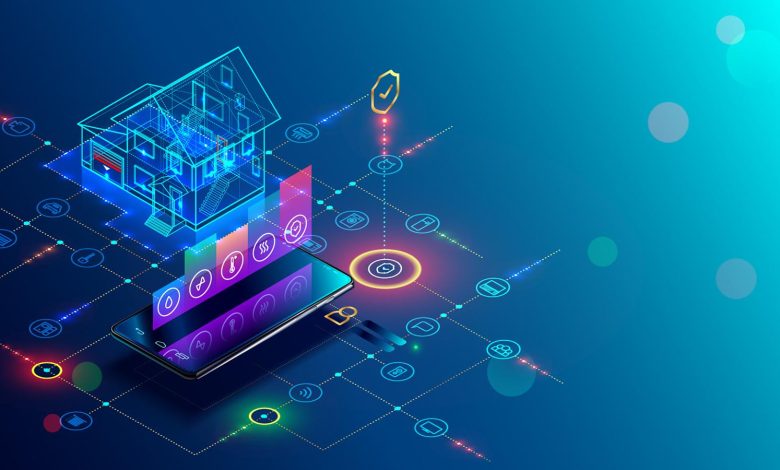
In today’s smart home ecosystem, devices are expected to integrate seamlessly with existing networks and environments. However, this expectation places a growing burden on users, many of whom lack the technical expertise required for proper setup.
Recent research and engineering efforts have begun to explore this gap, including work led by technologist Mohankumar Ganesan, which examines how artificial intelligence can be applied to improve the self-installation experience.
Industry observations suggest that common issues during installation include incorrect wiring, improper placement, and difficulty interpreting static instruction manuals. These challenges often lead users to abandon the setup process or assume the product itself is faulty.
AI as a Real-Time Installation Companion
To address these challenges, researchers and engineers are increasingly turning to AI-driven frameworks that can assist users during installation. These systems combine computer vision, predictive modeling, and machine learning techniques to provide real-time, context-aware guidance. Instead of relying solely on traditional manuals, AI-assisted systems are being designed to:
- Analyze user actions in real time
- Detect potential installation errors
- Provide contextual and step-by-step guidance
- Adapt instructions based on environmental conditions
Such approaches reflect a shift from static, instruction-based processes to more interactive and adaptive user experiences.
From Static Instructions to Adaptive Intelligence
Traditional installation guides often assume a uniform environment and a consistent level of user expertise. In practice, however, installation conditions vary widely depending on the user’s home setup and familiarity with technology.
AI-based models aim to address this variability by incorporating environment-aware intelligence. These systems can evaluate spatial conditions, detect device compatibility issues, and suggest corrective actions before errors occur.
Such approaches are intended to simplify the setup process and reduce confusion, particularly for users who may be unfamiliar with complex installation procedures.
Reducing Errors and Improving User Confidence
Preliminary research findings suggest that AI-assisted installation systems may help reduce common errors associated with device setup. These include incorrect connections, improper alignment, and misinterpretation of instructions.
In addition to error detection, these systems often incorporate real-time feedback mechanisms, sometimes referred to as micro-validation, where users receive confirmation at each step of the process. This incremental feedback can help reduce uncertainty and improve overall user confidence during installation.
Implications for Manufacturers and the Industry
The potential impact of AI-assisted installation extends beyond individual users. For manufacturers and retailers, improving the installation experience can lead to measurable operational benefits, including reduced return rates and lower customer support demand.
At the same time, enhancing post-purchase experience is becoming an increasingly important differentiator in a competitive consumer electronics market. Companies are beginning to recognize that ease of setup plays a critical role in overall product satisfaction.
Some experts caution, however, that challenges remain. Ensuring accuracy across diverse home environments, addressing data privacy concerns, and maintaining reliability in real-time systems are ongoing areas of development.
Engineering the Next Generation of Installation Systems
The development of AI-driven installation tools requires integration across multiple layers of modern technology infrastructure. This includes cloud-based platforms, machine learning pipelines, and real-time data processing systems.
Engineers working in this space are combining distributed systems with AI models to create scalable solutions capable of supporting a wide range of devices and user scenarios. These systems are designed not only to guide users, but also to continuously improve by learning from past installation data and user interactions.
A Broader Shift Toward AI-Driven User Experiences
The move toward AI-assisted installation reflects a broader trend across the technology industry. Companies are increasingly investing in automation and personalization to improve user experiences beyond the point of purchase.
As devices become more sophisticated, the expectation is shifting toward systems that can guide users intuitively, reducing the need for technical expertise and minimizing friction throughout the product lifecycle.
The Future of Self-Installation
As smart home technologies continue to expand, simplifying the installation process is likely to become a key focus area for innovation. AI-driven systems have the potential to transform installation from a static, often frustrating task into a guided and interactive experience.
Ongoing research suggests that these systems could play an important role in improving usability, reducing errors, and enabling broader adoption of advanced home electronics.
Conclusion
As the consumer electronics landscape evolves, the installation experience is emerging as a critical component of product success. AI-assisted approaches offer a promising path toward reducing complexity and improving accessibility for users.
While challenges remain, continued advancements in AI and system design are expected to shape a future where interacting with technology, from unboxing to full setup, is more intuitive, efficient, and user-centered.