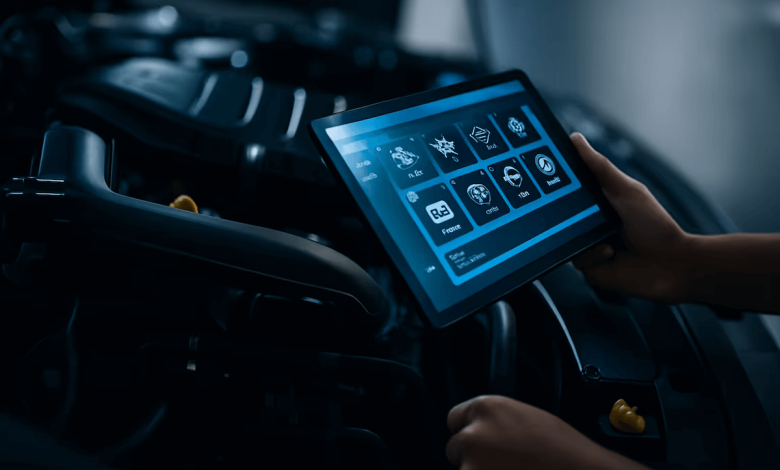
Automotive technology has changed quickly from sophisticated mechanical systems to a complicated digital ecosystem where software performance is just as critical as engine output. AI-powered diagnostic tools for owners of high-end off-road vehicles have changed the way Land Rover auto repair is done by identifying potential mechanical failures before they manifest as physical symptoms. Using predictive algorithms that look at data from hundreds of internal sensors, modern repair centers can discover even the smallest variations in fuel pressure or suspension alignment. This proactive way of taking care of the car makes sure it will work well in both cities and harsh countryside. It shows that we are entering a new age of car care based on data.
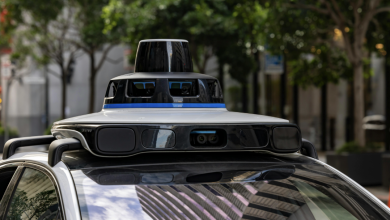
The shift toward self-driving and semi-autonomous systems represents a huge change in how cars interact with the world around them in real time. Neural networks are used by modern platforms to look at visual input from cameras and LIDAR. This allows the automobile make quick choices that make it safer for passengers and easier to get about. You need to be this aware of your surroundings to avoid accidents and achieve the optimum gas mileage based on traffic patterns and the slope of the land. This is why merging deep learning models makes driving more intuitive and responsive, which makes it easier for the smart machine and the human driver to operate together.
Managing heat and planning for repairs
Making virtual twin technology, which generates a digital copy of a vehicle’s cooling and propulsion systems, is a huge step forward for AI. The engine is the most crucial portion of the machine, thus how well it works with heat impacts how long the hardware will endure. A traditional maintenance routine might not notice the subtle indicators of wear and tear on parts over thousands of kilometers, but an AI monitor can pick up on heat signatures that signal a water pump is malfunctioning or a radiator is clogged. This level of supervision gives the expert technician and automotive repair apps the high-definition information they need to conduct specific repairs, which maintains the car working at its finest.
Using adaptive algorithms to make off-road performance better
The way a modern all-wheel-drive system is built has a lot to do with how well it can distribute torque around when the surface grip changes. The automobile can now identify the difference between different kinds of dirt, including mud, sand, or gravel, and modify the throttle response and differential locking to match. When the environment changes, the first thing that is usually done to these smart systems is to update their software over the air. AI makes the car far more efficient and puts less stress on the axles and transmission by making sure that the drivetrain adjusts to the ground’s specific resistance.
Smart Cabin Comfort with Sensors That Read Your Body
The cabin of a modern car is no longer only about comfort; it now includes biometric monitoring and voice-activated AI helpers. These devices can check the driver’s pulse rate and eye movement to see whether they are growing sleepy. After that, they can automatically modify the cabin’s temperature or illumination to keep the driver awake. Because of this adaptability, one vehicle can be a mobile office or a place to rest, depending on what the individuals within require at the time. Adding noise-canceling algorithms also makes the sound better, making the cabin feel as high-end as the high-tech sensors inside the chassis.
Making batteries work better in hybrid and electric powertrains
A modern hybrid or electric automobile features a complex battery management system that uses AI to make sure the batteries last as long as possible. Smart software controls the discharge cycles and regenerative braking patterns to keep the lithium-ion cells at the appropriate temperature. This change to digital energy management has substantially increased the life of high-capacity batteries, making sure that the device is ready for a full cycle of travel with little wear and tear. This combination of monitoring the structure and power efficiency gives owners piece of mind who want their things to stay and work well for a long time.
Safety Standards Around the World and Sustainable Engineering
Choosing hardware that works with AI is an essential step toward making sure that driving is safe and will persist for a long time. By focusing on these technologies, manufacturers help make the transportation network run better by cutting down on mechanical failures and speeding up traffic flow through vehicle-to-everything connection. A lot of today’s safety systems are made to last for a long period. They use sensors that can be recalibrated instead of thrown away, which is better for the environment. Putting money on clever automotive materials will make sure that the car is a safe and dependable way to travel around for a long time.