We’ve all experienced that sinking disappointment when you pop into your local supermarket to pick up your favourite item, only to find an empty shelf. Thanks to cutting-edge technology, those frustrating out-of-stock moments could be a thing of the past.
The global retail industry loses an estimated £1.5 trillion annually due to the costs of out-of-stocks and overstocks. As retailers navigate shifting tariffs and trade dynamics, inventory plans are increasingly vulnerable to disruption. In the fast-paced life of a consumer, an out-of-stock item or hard-to-find product can make or break a sale, sending customers to competitors.
Beyond immediate frustrations and a resulting loss of sales, repeated stock issues can erode consumer trust. With 70% of consumers willing to abandon a brand after just two negative experiences, disorganised operations can impact a retailer’s long-term reputation.
Consumer expectations are at an all-time high, meaning that retailers and consumer packaged goods (CPGs) suppliers need the smartest tools to stay competitive and keep shoppers engaged. A recent McKinsey report found that retailers with above average capabilities in data, AI, and tech achieve twice the growth and up to 2.9 times the total return to shareholders.
In 2026, retailers and CPGs can meet consumer demand and foster loyalty by having a 360-degree view of the field, providing them with directive recommendations based on various KPIs with corresponding actions. This level of awareness can be achieved with dynamic, adaptive systems such as AI-powered planograms that respond to real-time buying behaviour, augmented reality that streamlines compliance, and image recognition technology that automates product placement verification and promotional compliance.
Intelligent Planograms
Unlike traditional planograms, which provide a static visual guide for arranging products on shelves, intelligent planograms leverage advanced technologies such as AI and data analysis to optimise product layout in real time. For example, during peak buying periods, an intelligent planogram can suggest placing fast-moving consumer goods (FMCGs) in more accessible areas to avoid stock-outs.
Instead of simply dictating where products should go, these dynamic systems adapt to buying behaviour, seasonal trends, and market shifts, creating a more personalised and efficient retail experience. The benefits of this innovative tool include optimised shelf space and reduced stockouts.
Augmented reality (AR) has further revolutionised the use of planograms. With AR, store managers can superimpose a virtual view of the ideal planogram on the current state of the shelves. This enables deviations to be quickly identified and corrected, ensuring optimum compliance. AR also facilitates employee training by providing an interactive visualisation of merchandising best practices, leading to faster audits and fewer errors, streamlining and fine-tuning the in-store processes.
Image Recognition Technology
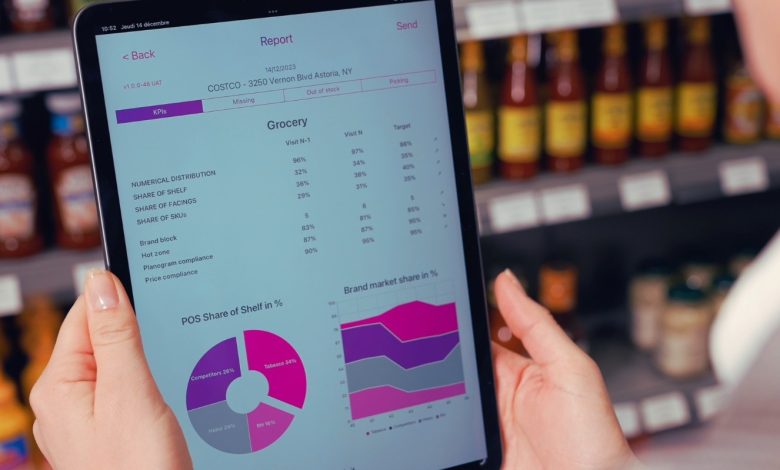
Image recognition technology recognises and analyses product images, allowing CPG/FMCG brands to closely monitor the placement, availability, and pricing of products in real-time. By automating these processes, they can ensure that the right products are in the right place at the right time, leading to improved customer experience and increased sales.
L’Oréal used image recognition technology to simplify and automate the tedious task of in-store shelf audits for their Consumer Products field teams. This technology led to a 50% reduction in the time required for their previously manual audits, allowing the sales teams to have more time to negotiate with store managers and provide them with more reliable and frequent information.
By harnessing the power of machine learning and artificial intelligence, retailers can save time and gain a deeper understanding of customer behaviour and preferences. This invaluable data allows them to optimise product positioning, identify trends, and make more informed and accurate decisions to meet customer demands.
The Smart Store Transformation
Successful deployment of these innovative tools relies on keeping the process systematic and simple. This means enabling quick, frictionless setup and ensuring seamless integration with global sales force automation (SFA) systems.
Before integration begins, retailers must assess whether their existing infrastructure is ready for the update. Legacy systems can hold retailers back by lacking the flexibility to support new features or scale with the business. This rigidity leads to fragmented workflows, operational inefficiencies, and missed opportunities for growth, all of which undermine the promise of smart retail innovation.
Additionally, regular updates are essential to accommodate demand-driven promotions and strategic shifts, while maintaining ease of use. The end result is positive feedback from end users who expect efficiency and adaptability.
The Future of Retail
A recent survey from Adobe revealed that 87% of UK shoppers are convenience-driven, meaning if a product isn’t exactly where they expect it to be, they will move on to a competitor without hesitation. To stay competitive in 2026 and beyond, retailers and CPGs must embrace adaptive, tech-driven systems that anticipate demand, optimise inventory, and keep shoppers engaged.
When products are consistently available and easy to find, consumers enjoy a seamless shopping experience, while retailers benefit from higher sales and lower operational costs. To succeed in this environment, retailers must consistently use these innovations not only as operational tools but as loyalty drivers. The retail of tomorrow will be the one that seamlessly connects data, AI, and field experience to deliver the right information, at the right time, in the right place.