

Beyond Words: The AI-Driven Evolution of Multilingual Document Processing in 2026
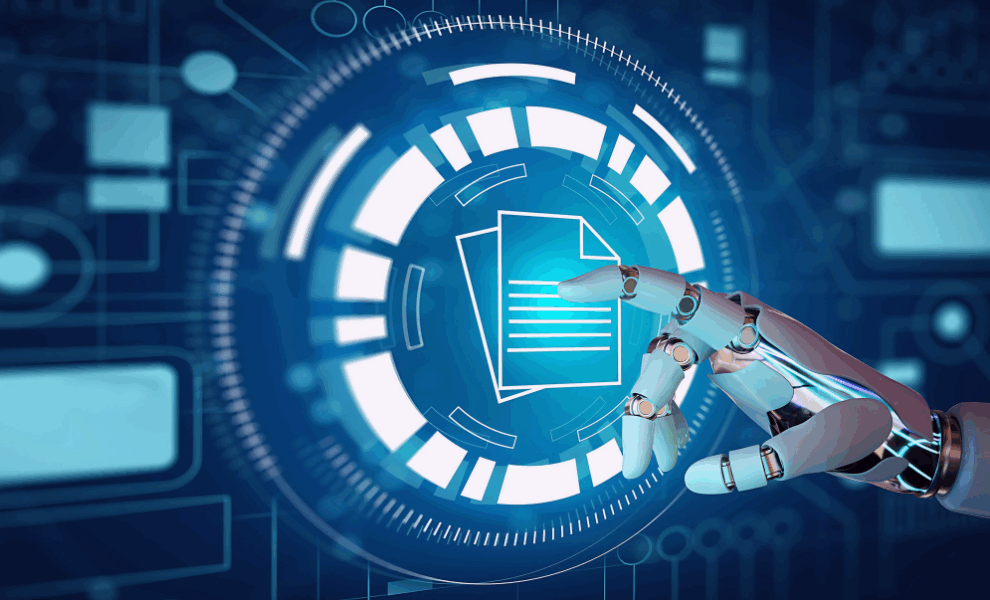
As we move further into 2026, the landscape of Artificial Intelligence has shifted from mere generative experiments to deeply integrated utility tools that solve specific, high-friction problems. One of the most persistent challenges in global business and academic research has been the “PDF bottleneck.” For decades, the Portable Document Format was a digital dead-end—great for consistency, but notoriously difficult for data extraction and linguistic transformation. Today, however, neural machine translation (NMT) and advanced computer vision have converged to turn static documents into dynamic assets.
The Rise of Context-Aware Translation
Earlier iterations of translation software relied on word-for-word substitution, which often failed to capture the nuance, technical jargon, or cultural context of a document. In the current era, modern AI models utilize transformer architectures that analyze the entire context of a page. This is particularly crucial for complex PDFs like engineering specifications, legal briefs, or medical research papers.
For professionals operating at scale, the ability to process these files without specialized software is a major competitive advantage. The integration of a high-quality free pdf translator into a workflow allows for instant comprehension of foreign-language data without the overhead costs typically associated with enterprise-grade localization suites. This democratization of AI technology means that even small-to-medium enterprises (SMEs) can compete on a global stage.

Solving the Layout Preservation Challenge
The true breakthrough in 2026 isn’t just the translation of text, but the preservation of document architecture. A PDF is a complex map of coordinates involving images, tables, headers, and footers. Traditional translation methods often “broke” these layouts, resulting in overlapping text or misaligned diagrams.
Modern AI-powered solutions solve this through a two-step process:
- Optical Character Recognition (OCR) & Layout Analysis: The AI identifies every element on the page, from a high-resolution chart to a minor footnote.
- Neural Mapping: After the text is translated by an LLM (Large Language Model), it is re-injected into the original coordinates, adjusting font sizes and spacing in real-time to fit the target language’s syntax.
Efficiency in a Borderless Digital Economy
In a borderless economy, speed is the primary currency. Organizations can no longer afford to wait 48 hours for a manual translation of a simple invoice or an internal memo. By leveraging a free pdf translator, teams can achieve “good-enough” translation for internal review in seconds, reserving human translation resources only for high-stakes, client-facing final products. This tiered approach to document management significantly reduces operational friction.
Security and Ethical AI Considerations
As AI becomes more ubiquitous, data privacy remains a top concern for CIOs and IT managers. The shift toward “privacy-first” web tools means that modern translation platforms are increasingly using encrypted channels and temporary storage protocols. When selecting a translation utility, the focus has shifted from “can it translate?” to “how does it handle my data?” Users are now gravitating toward platforms that provide clear transparency about their data handling policies while maintaining high-speed performance.
The Future Outlook
The next frontier for document translation lies in multi-modal integration—where the AI doesn’t just translate text but also adapts images and culturally relevant graphics within the PDF. As we look toward the late 2020s, the concept of a “foreign language document” may become obsolete, as our digital workspaces will automatically render any file into our preferred language in real-time.
Conclusion
The evolution of document processing is a testament to how far AI has come in bridging human gaps. By moving beyond simple text replacement and mastering the complexities of the PDF format, AI tools are fostering a more inclusive and efficient global marketplace. Whether for academic advancement or corporate strategy, the power to understand any document, in any language, at any time, is no longer a luxury—it is a standard for the modern professional.

I am Erika Balla, a technology journalist and content specialist with over 5 years of experience covering advancements in AI, software development, and digital innovation. With a foundation in graphic design and a strong focus on research-driven writing, I create accurate, accessible, and engaging articles that break down complex technical concepts and highlight their real-world impact.
More from Balla
See all AI Business Strategy
How Industrial Companies Should Choose a Revenue Operations Consultant: A 2026 Comparison of Six Firms
 AI & Technology
Website Chatbots for Auto Repair Shops
 Automation
Beyond Automation: Why Human Creativity Still Matters in Modern Marketing
 Data
From Pipelines to Products: How Himant Goyal Is Redefining Enterprise Data Strategy in the Age of AI
Recommended for you
More stories Future of AI
Cysic CEO Says Paying for an AI Model Doesn’t Prove Your Host Ran It
 AI & Technology
From self-driving excavators to AI leasing agents, proptech’s AI moment has arrived
 AI & Technology
AI literacy shouldn’t begin in the workplace. It should begin in primary school.
 Data
The Data Centre Is Becoming a Product
 AI & Technology
Too often, AI narrows rather than widens access. Here’s how the tech industry can fix it
 AI & Technology