

Performance Management Meets AI: Turn Feedback into Insightful Action
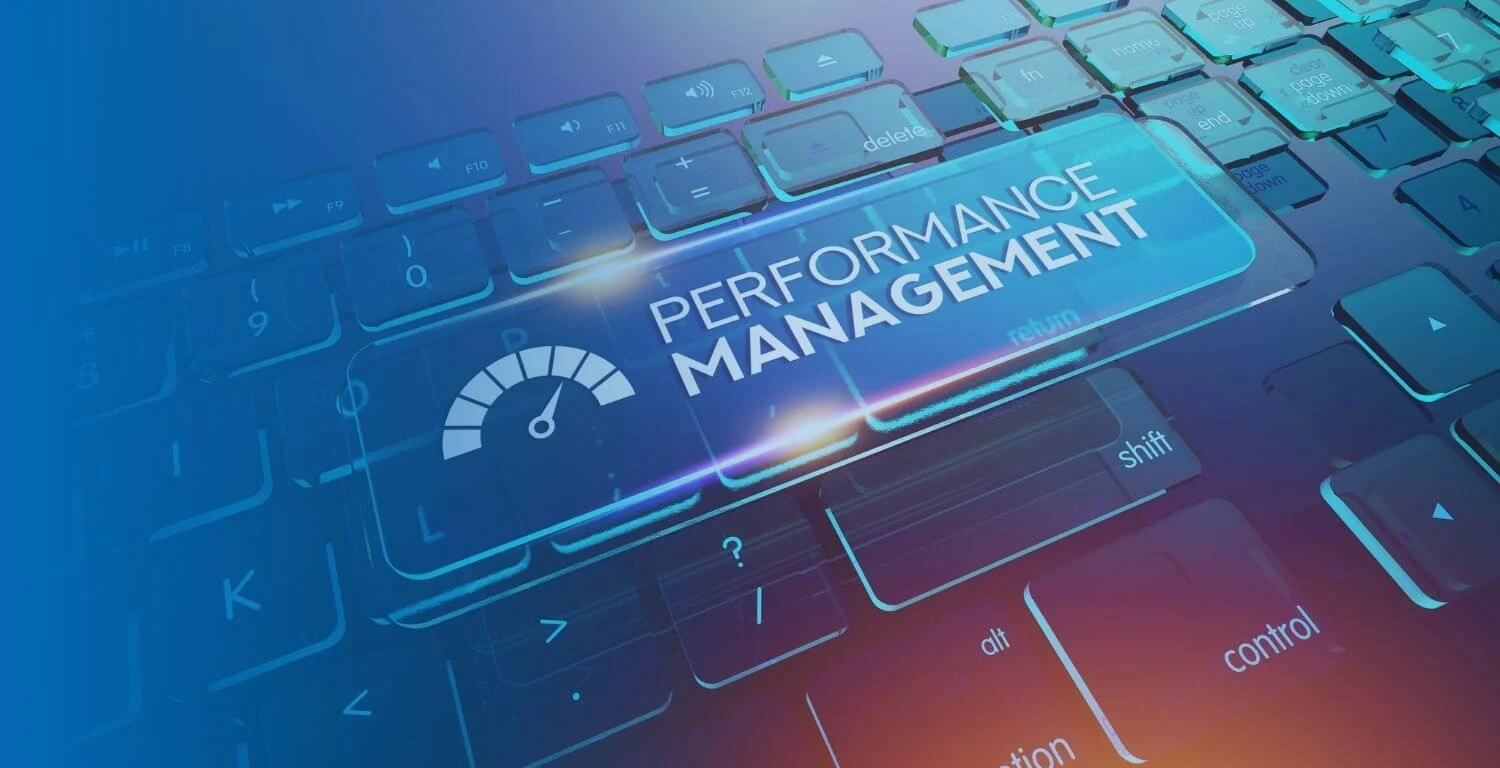
Harness AI to make performance management insightful and actionable
Performance reviews were never designed for speed. They take time to prepare, they ask managers to interpret long threads of feedback and they often leave employees waiting for clarity they need right now.
For small and large organizations alike, the question becomes simple. How do you turn all of that feedback into something more useful, more timely and more actionable? And more importantly, how do you make the process easier for the people responsible for guiding performance?
AI is reshaping this work in ways that help managers write better feedback, reduce administrative effort and support employees with greater consistency. The result is a performance management process that feels less like a cycle to complete and more like a foundation for continuous improvement.

image source: Tractari Auto Oradea
The new role of AI in performance management
AI is now capable of supporting nearly every stage of the review cycle.
It can extract themes from long-form comments, summarize peer feedback, interpret sentiment and highlight common strengths or opportunities. It can also guide managers with prompts and structured questions that keep the process focused and fair.
This shift moves performance management from a task that depends on individual interpretation to one supported by intelligent systems. The goal is not to replace manager judgment. Instead, it is to give managers better information, clearer summaries and a way to deliver feedback that employees understand and trust. This makes it easier for the business to see what matters and take action with confidence.
How AI summaries accelerate manager feedback and decision-making
By reducing the time it takes to translate raw feedback into something meaningful, AI gives managers their time back by pulling scattered comments together and producing summaries that reveal patterns at a glance.
This way, they can see what is working, what needs attention and how employees are progressing toward their goals without having to spend hours combing through every line of data.
When managers spend less energy sorting information, they have more capacity to focus on the conversations that matter. The same principle drives modern tools like Workleap, which help turn complex threads of feedback into clear, constructive insights that improve both communication and decision-making.
Ensuring fairness, consistency and scalability with AI tools
Fairness is one of the most important parts of performance management, yet it is also one of the easiest to lose as teams grow. Without a shared structure, managers rely on different habits, which can lead to inconsistent expectations and uneven experiences.
AI strengthens fairness by standardizing review questions, as well as by rating criteria and feedback prompts across the organization. This keeps managers aligned and reduces the risk of bias creeping into assessments.
It also ensures that employees across teams receive feedback of similar clarity and quality. For growing companies, this consistency becomes essential. It protects the employee experience, improves trust in the process and gives leaders confidence that people-related decisions are fully grounded in more reliable information.
Practical implementation: best practices for rollout
Although some leaders worry that introducing AI into performance management will require a dramatic shift, this isn’t actually the case. In fact, as long as the process is thoughtful, a slower, incremental rollout often works best.
One way to approach a change like this would be to start with a small pilot group of managers, gathering their feedback. A company might provide short, targeted training sessions that show how to interpret AI summaries, and then use any learning to write clearer feedback and use guided prompts even more effectively.
By encouraging managers to pair AI insights with their personal observations, reviews will feel both accurate and human. Then, it’s important to monitor adoption closely to understand where the system is helping, and where users may need additional support.
As teams become more comfortable, you can expand the rollout to other departments. The more managers use AI tools, the more consistent the entire process becomes.
Measuring impact: what to track and expect
When performance management becomes easier to run and easier to understand, the indicators show it. For example, you might see an improvement in review completion times. Alternatively, feedback might become clearer and more constructive, or you may find that employees engage more readily with the process because they see its value. Over time, retention among key roles will strengthen as people recognize that their work is being assessed fairly and thoughtfully.
These signals help leaders answer the question that matters most: Is the performance process supporting the business as it grows? They also reveal what becomes possible when feedback moves from fragmented notes to insights that managers can act on.
AI helps transform performance management from a slow cycle into a structured, dependable source of insight. For organizations that want to improve feedback quality, strengthen fairness and give managers more time to focus on coaching, AI-supported tools offer a practical and meaningful path forward.

I am Erika Balla, a technology journalist and content specialist with over 5 years of experience covering advancements in AI, software development, and digital innovation. With a foundation in graphic design and a strong focus on research-driven writing, I create accurate, accessible, and engaging articles that break down complex technical concepts and highlight their real-world impact.
More from Balla
See all AI Business Strategy
How Industrial Companies Should Choose a Revenue Operations Consultant: A 2026 Comparison of Six Firms
 AI & Technology
Website Chatbots for Auto Repair Shops
 Automation
Beyond Automation: Why Human Creativity Still Matters in Modern Marketing
 Data
From Pipelines to Products: How Himant Goyal Is Redefining Enterprise Data Strategy in the Age of AI
Recommended for you
More stories Future of AI
Cysic CEO Says Paying for an AI Model Doesn’t Prove Your Host Ran It
 AI & Technology
From self-driving excavators to AI leasing agents, proptech’s AI moment has arrived
 AI & Technology
AI literacy shouldn’t begin in the workplace. It should begin in primary school.
 Data
The Data Centre Is Becoming a Product
 AI & Technology
Too often, AI narrows rather than widens access. Here’s how the tech industry can fix it
 AI & Technology