

IoT and AI Convergence Creates Intelligent Building Entry Points
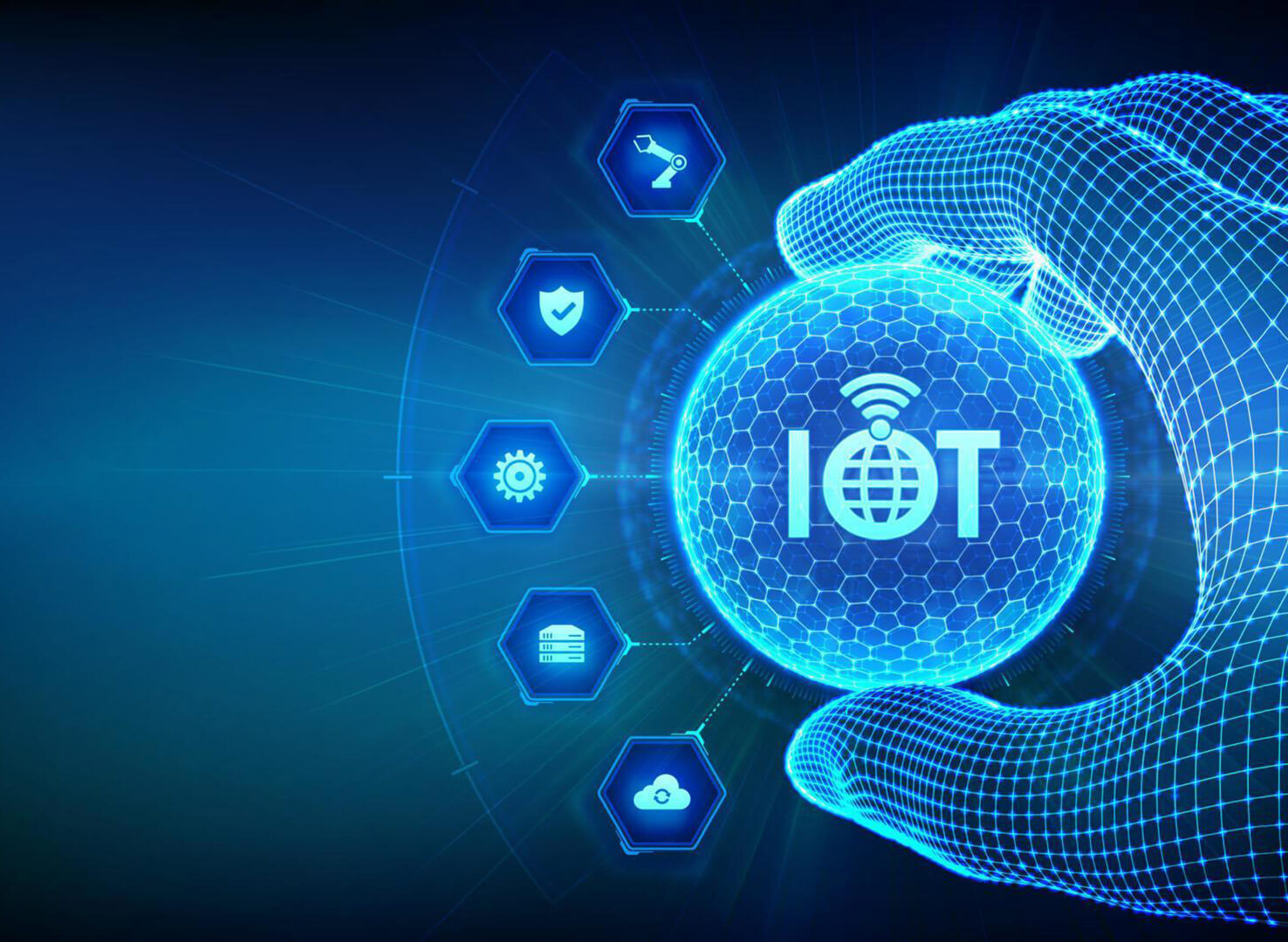
Traditional entry point systems rely on static credentials – physical keys, magnetic cards, or basic PIN codes that simply verify whether someone should enter. These systems operate apart from one another, recording limited data and responding only when prompted. Internet of Things and artificial intelligence technology is fundamentally changing this approach. Modern entry systems now learn, predict and adapt, creating security infrastructure that thinks rather than simply reacts to commands.
The Technology Behind Intelligent Entry Points
Intelligent entry systems combine multiple IoT devices into a unified network. Smart locks communicate with overhead cameras, biometric scanners share data with badge readers, and occupancy sensors track movement patterns throughout facilities. Each device generates continuous streams of information that AI algorithms analyze in milliseconds.
The AI processes this data to recognize patterns, identify anomalies, and make autonomous decisions. Cloud connectivity allows individual entry points to access system-wide intelligence, meaning a door understands context from across the entire building. A facial recognition camera might grant access faster during expected arrival times, while flagging the same person attempting entry at 3am. This contextual awareness creates security that adjusts to actual behavior rather than following rigid rules.

Benefits of AI Powered Entry Systems
Security improvements represent the most significant advantage. AI algorithms detect suspicious patterns before incidents occur; repeated failed access attempts, unusual entry sequences, or credential sharing between users. This system alerts security teams to potential threats while they’re still developing, not after damage occurs.
User experience becomes nearly frictionless. Authorized personnel walk through entry points without stopping to scan badges or enter codes. Visitor management software recognizes them through multiple factors simultaneously; facial features, gait patterns, scheduled appointments, and mobile device signatures. The core benefits of visitor management software are:
- Real-time monitoring with instant notifications sent to security personnel and facility managers.
- Comprehensive audit trails that track every entry and exit with timestamp precision.
- Predictive maintenance alerts that identify failing hardware before it creates security gaps.
- Automated compliance reporting for regulated industries requiring detailed access records.
Operational efficiency gains extend further than security. Facility managers access dashboards showing traffic patterns, peak usage times, and space utilization metrics. This data drives decisions about staffing, resource allocations, and physical space design.
Real World Applications
Corporate environments deploy these systems for seamless employee access while maintaining strict visitor protocols. Guests receive temporary digital credentials linked to specific time windows and authorized areas, eliminating manual check-in processes.
Healthcare facilities use intelligent entry points to enforce HIPAA compliance. The systems restrict pharmaceutical storage access to credentialed staff, maintain detailed logs for regulatory audits, and present unauthorized entry to patient care areas.
Challenges and Considerations
Privacy concerns require attention. Biometric data collection raises questions about storage, usage rights, and potential misuse. Organizations must establish transparent policies and robust data protection measures. Common implementation obstacles include:
- Cybersecurity vulnerabilities that create new attack vectors for malicious actors.
- Integration difficulties with existing building management and security systems.
- Substantial upfront investment costs that strain facility budgets.
- Staff training requirements for effective system operation and maintenance.
The Path Forward
Intelligent entry points represent genuine advancements in building security and operational efficiency. As AI algorithms improve and IoT devices become more sophisticated, these systems will deliver increasingly nuanced access control.

I am Erika Balla, a technology journalist and content specialist with over 5 years of experience covering advancements in AI, software development, and digital innovation. With a foundation in graphic design and a strong focus on research-driven writing, I create accurate, accessible, and engaging articles that break down complex technical concepts and highlight their real-world impact.
More from Balla
See all AI Business Strategy
How Industrial Companies Should Choose a Revenue Operations Consultant: A 2026 Comparison of Six Firms
 AI & Technology
Website Chatbots for Auto Repair Shops
 Automation
Beyond Automation: Why Human Creativity Still Matters in Modern Marketing
 Data
From Pipelines to Products: How Himant Goyal Is Redefining Enterprise Data Strategy in the Age of AI
Recommended for you
More stories Future of AI
Cysic CEO Says Paying for an AI Model Doesn’t Prove Your Host Ran It
 AI & Technology
From self-driving excavators to AI leasing agents, proptech’s AI moment has arrived
 AI & Technology
AI literacy shouldn’t begin in the workplace. It should begin in primary school.
 Data
The Data Centre Is Becoming a Product
 AI & Technology
Too often, AI narrows rather than widens access. Here’s how the tech industry can fix it
 AI & Technology