AI UX design agencies help businesses create smarter, faster, and more user-friendly digital products using artificial intelligence. As AI adoption grows, more companies are looking for experts who can blend UX design with intelligent automation to stay competitive.
However, it can be difficult to find the right AI UX design agency. If you choose the wrong one, you may face poor user experience, wasted budget, and products that fail to meet user needs.
However, no need to worry. In this blog, we are going to introduce the 5 best agencies that provide AI UI UX design services. Check the details and choose the most suitable one for your project.
5 Best AI UX Design Agencies
Selecting the best AI UX design agencies is not easy. We evaluated them based on real AI project experience, UX quality, and proven results. Now, check the top 5 agencies below and explore their details carefully.
1. Design Monks
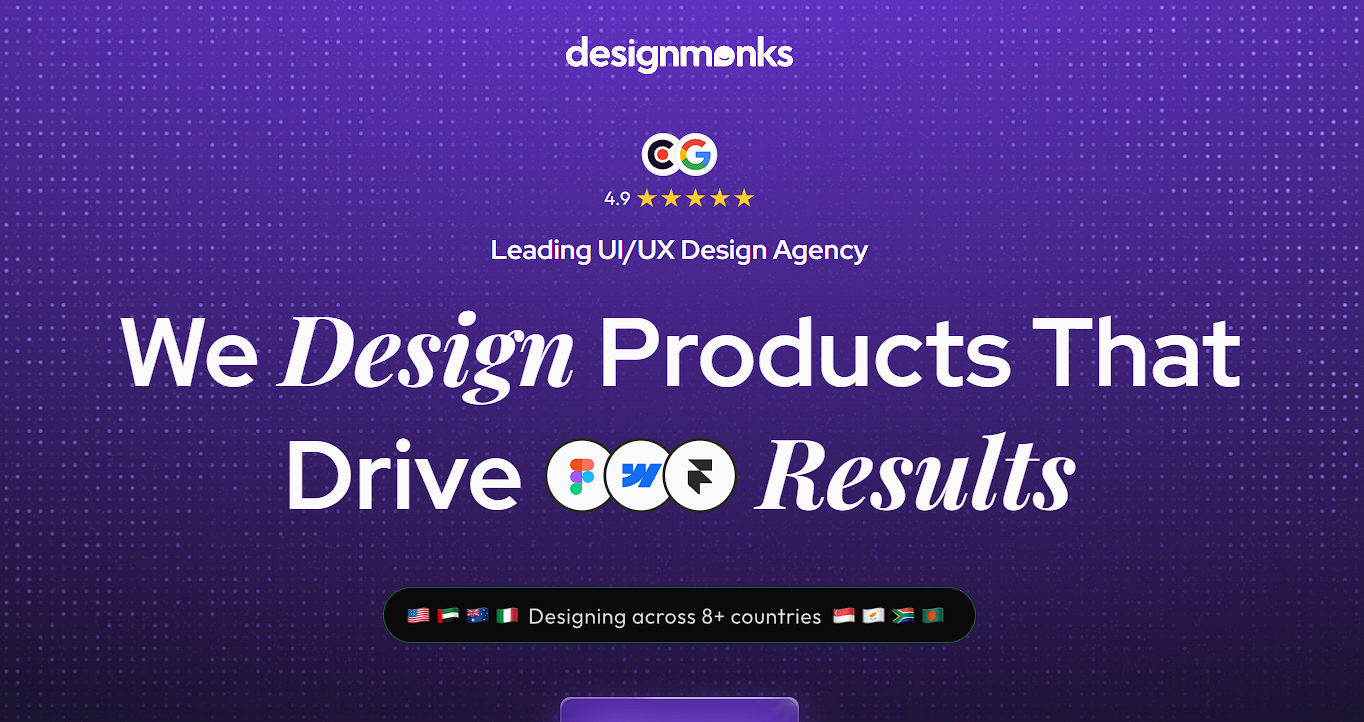
Design Monks is an AI-focused UI/UX design agency that works closely with startups and SaaS teams. They design digital products that feel simple to use while handling complex AI features behind the scenes.
Their process feels practical and hands-on. Instead of relying on guesswork, they use AI tools to explore ideas, test flows, and shape better user journeys early. This approach helps teams move faster without losing clarity in the product experience.
They also understand how AI changes user behavior. From smart dashboards to personalized flows and AI-driven features, their work focuses on making these experiences clear, useful, and easy to trust for real users.
Why should you work with Design Monks:
- Clear understanding of AI product UX and user behavior
- Fast and structured design process with early validation
- Strong experience in SaaS, dashboards, and AI platforms
- Focus on simple, usable interfaces for complex systems
- Reliable team with end-to-end UX and UI support
2. Zypsy
Zypsy is not just a typical UX agency; they work like a design partner for startups building AI products. They help shape everything from product experience to brand and even early-stage launches, all under one roof.
Their strength shows when dealing with complex AI systems. They design flows around prompts, responses, and trust: making AI features easier to understand and use. This is especially useful for tools that rely heavily on automation or data.
Besides, they move fast, which matters for startups. With a sprint-based process and even a services-for-equity model, they stay closely involved in building and improving products, not just designing screens and stepping away.
Why should you work with Zypsy:
- Deep focus on AI product UX, like prompts, trust, and data flows.
- Works like a design partner, not just an external agency.
- Strong experience with AI startups and funded companies.
- Fast execution with startup-friendly design sprints.
- Covers brand, product, and engineering together.
3. Punchut
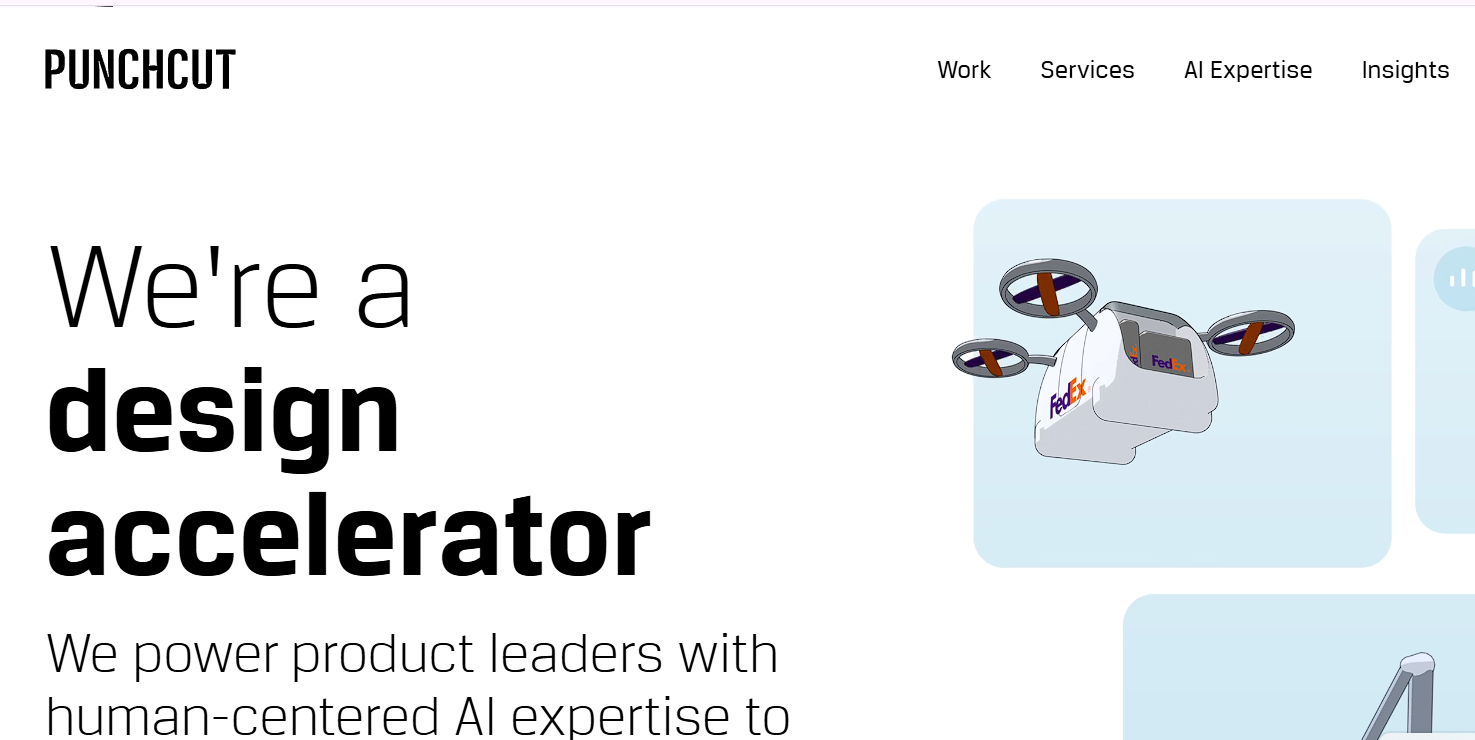
Punchcut focuses on a simple idea: AI should feel natural for people, not complicated. With over two decades of experience, the team works on turning advanced technologies into products that users can easily understand and trust.
Instead of just designing screens, the work goes deeper into how people interact with AI. From voice interfaces to AI agents and automation, their designs shape how users respond, trust, and rely on intelligent systems in real situations.
Research plays a big role in their process. They study user behavior, expectations, and trust before designing anything. This helps them create AI experiences that people actually use, rather than features that look impressive but feel confusing.
Why should you work with Punchcut:
- Strong expertise in human-centered AI and interaction design.
- Experience with AI agents, voice, and multimodal interfaces.
- Research-driven approach focused on trust and real user behavior.
- Proven work with global brands and emerging technologies.
- Helps turn complex AI into simple, usable product experiences.
4. AKQA
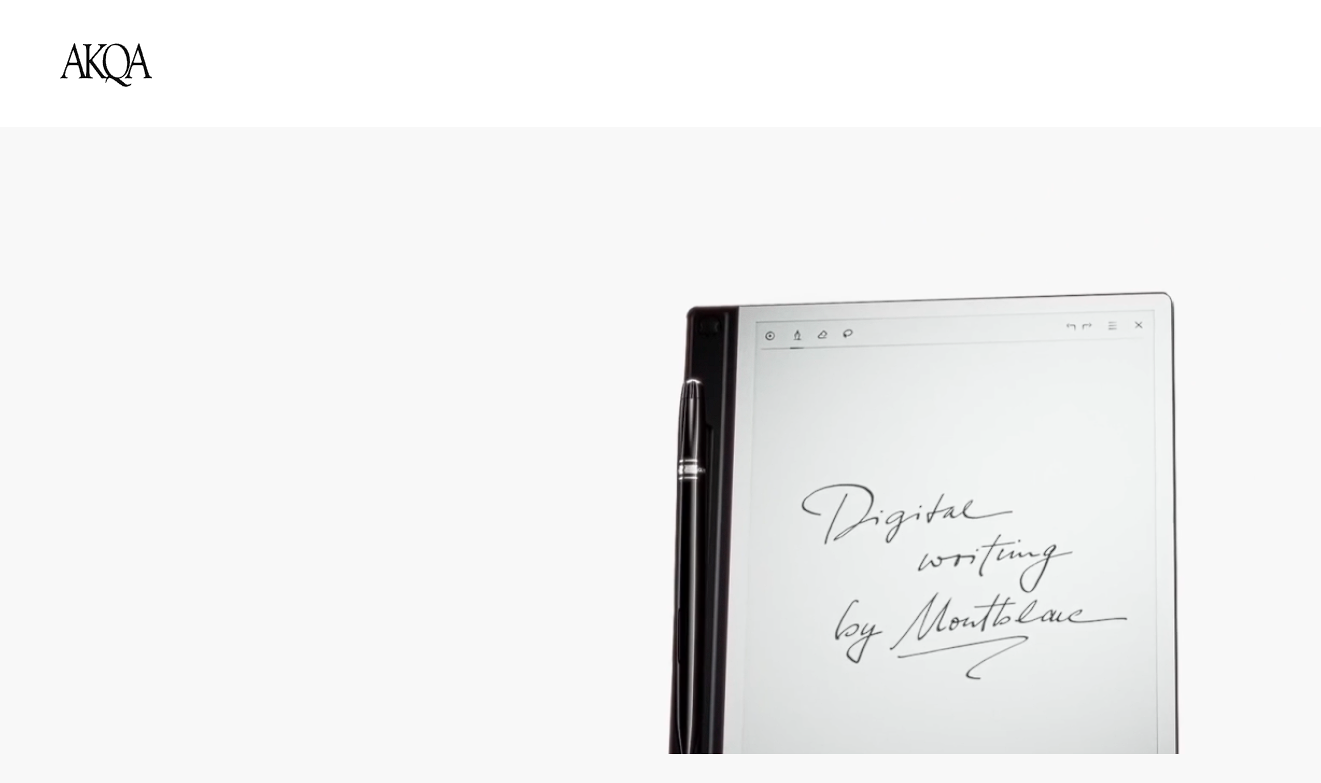
AKQA is a global design and innovation company that works at the intersection of creativity, technology, and AI. With teams across multiple countries, they handle large-scale digital products and brand experiences for some of the world’s biggest companies.
Their work goes beyond basic UX. AI is used to shape adaptive interfaces, smart design systems, and multi-device experiences, from mobile to voice and even spatial environments.
Compared to agencies like Design Monks, which focus deeply on fast-moving AI products and usability, AKQA leans more toward large ecosystems and brand-driven innovation. Both are strong, but the choice depends on your product stage.
Why should you work with AKQA:
- Strong expertise in AI-powered product and brand experiences.
- Works on large-scale, multi-platform digital ecosystems.
- Combines design, technology, and innovation at a global level.
- Proven track record with top global brands and complex systems.
- Ideal for enterprise AI and high-impact digital transformation projects.
5. Neuron
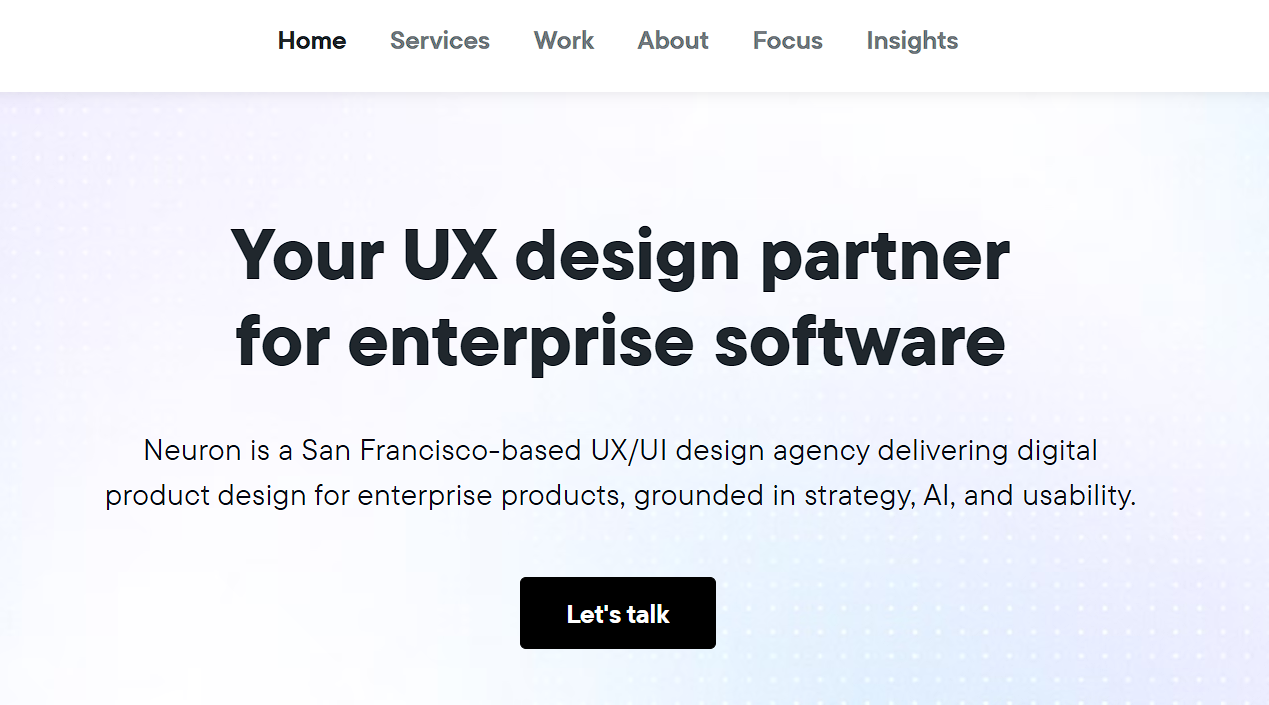
Neuron UX is a UX design agency that focuses heavily on enterprise and B2B products. Their work focuses on improving complex software, especially tools used in finance, healthcare, and AI-driven platforms.
A strong part of their approach is combining product strategy with UX execution. Instead of jumping straight into design, they spend time understanding workflows, user needs, and business goals, which leads to more structured and usable digital products.
AI is treated as part of the product experience, not just an added feature. From intelligent dashboards to data-heavy systems, the focus stays on making complex AI interactions feel clear, practical, and easy to use in everyday workflows.
Why should you work with Neuron:
- Strong expertise in enterprise and AI-driven product UX.
- Focus on research, strategy, and a structured design process.
- Experience across SaaS, healthcare, finance, and data platforms.
- Skilled in handling complex workflows and data-heavy interfaces.
- Offers end-to-end support from strategy to scalable design systems.
How to Choose the Right AI UX Design Agency
Choosing the right AI UX design agency is important because AI products are complex and directly impact user trust, usability, and business success. The right partner can simplify your product and improve adoption.
Check real experience in AI products
Look for agencies that have worked on real AI-powered products like chatbots, dashboards, or automation tools. Experience with AI UX means they understand user behavior, system limitations, and how to make intelligent features easy to use in real situations.
Understand their design process
A good agency follows a clear process that includes research, user flows, testing, and iteration. It ensures decisions are based on user needs rather than assumptions, especially important when designing unpredictable AI-driven interactions.
Focus on usability, not just visuals
AI products can become confusing if the design only focuses on aesthetics. The right agency prioritizes clarity, structure, and smooth interaction so users can easily understand and trust AI responses and features. That is exactly why AI UX design matters so much in enterprise products, where teams need interfaces that make complex AI workflows feel clear, trustworthy, and easy to use in real business environments
Evaluate their understanding of AI behavior
AI UX is not just UI design. It involves understanding how users interact with models, prompts, and outputs. Agencies should know how to reduce confusion and make AI feel more predictable and helpful.
Choose a team that balances speed and quality
AI products move fast, so the agency should be able to deliver quickly without compromising quality. Among all the options, Design Monks stands out here, as they combine AI-driven workflows with strong UX thinking to support fast, practical product development.
End Note
AI UX design is shaping how modern digital products are built and experienced. The right agency can turn complex AI systems into simple, usable, and trustworthy experiences that users actually enjoy interacting with.
From startups to global enterprises, choosing the right partner depends on process, experience, and understanding of AI behavior. Take time to compare options carefully and select an agency that fits your product goals and long-term vision.