Over the last decade, CIOs have led some of the most significant transformations in modern business. They have migrated organizations to the cloud, unified fragmented data environments, introduced AI responsibly, and helped turn information into a strategic asset. Today, many philanthropic organizations are confronting similar challenges. While their missions differ from those of enterprises, the underlying obstacles are surprisingly familiar: fragmented data, disconnected systems, limited visibility into outcomes, and growing pressure to demonstrate impact.
The stakes are high. While overall charitable giving has remained relatively stable, fewer households are donating. The share of affluent households making charitable contributions declined from 91% in 2015 to 81% in 2024. At the same time, giving is becoming increasingly concentrated among a smaller group of major donors.
For foundations and nonprofits, this creates a pressing challenge: how do organizations build stronger relationships, demonstrate measurable impact, and operate more efficiently in an increasingly competitive funding environment?
The answer is to apply the same principles of digital transformation that enterprise CIOs have spent years refining.
Data quality matters more than technology
One of the most important lessons from enterprise digital transformation is that technology cannot solve a data problem — CIOs know this firsthand. Organizations can invest millions in new platforms, AI tools, and analytics solutions, but if the underlying data is fragmented, inconsistent, or unreliable, those investments rarely deliver their intended value.
The same challenge exists across philanthropy.
Most philanthropic organizations are not suffering from a lack of technology. They already have CRMs,, grant management systems, and reporting tools. The challenge is that critical information often lives across disconnected systems and teams.
Funding histories may reside in one platform, program outcomes in another, and institutional knowledge in spreadsheets, email threads, or the minds of long-tenured employees. The result is limited visibility into relationships that are often critical to an organization’s success.
This matters because philanthropy remains fundamentally relationship-driven. While open applications play an important role, the majority of grantmaking still depends on conversations, trust, and long-term engagement. In many ways, donor intelligence serves the same purpose that customer intelligence serves in the enterprise. Both depend on accurate information, shared visibility, and institutional knowledge that survives employee turnover.
Before introducing new technologies, organizations should focus on creating trusted data foundations. Clean records, consistent governance, and shared visibility across teams may not be as exciting as the latest AI platform, but they are often far more impactful.
AI is only as effective as the data behind it
The rapid adoption of AI has generated both excitement and anxiety across industries. Philanthropy is no exception. Organizations are exploring AI-powered tools to streamline grant management, improve donor engagement, automate reporting, and identify new funding opportunities. Many of these applications offer genuine promise.
Yet technology leaders have learned an important lesson during the AI boom: organizations rarely have an AI problem — they have a data readiness problem.
AI amplifies whatever exists beneath it. If data is incomplete, inconsistent, or poorly governed, AI will simply accelerate those shortcomings. If historical bias exists within processes or decision-making frameworks, AI can unintentionally reinforce it.
The same principle applies in philanthropy because AI cannot compensate for incomplete donor records, inconsistent grant histories, or weak governance practices.
Successful organizations will approach AI the way leading enterprises have approached previous waves of innovation: with clear objectives, strong governance, and disciplined implementation. The goal should not be to replace human judgment, but to free teams from repetitive administrative work so they can focus on building relationships, understanding communities, and delivering impact.
AI should strengthen human connections — not replace them.
Visibility drives better decisions
One of the most valuable contributions CIOs have made to modern enterprises is helping organizations move away from decisions based on anecdotes and toward decisions grounded in data. Philanthropy has an opportunity to embrace a similar shift.
Many organizations still rely on periodic reports, spreadsheets, and manual updates to assess performance. While these tools can provide valuable information, they often offer a retrospective view rather than real-time visibility.
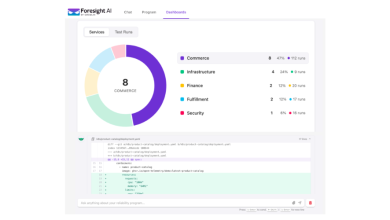
Integrated reporting environments and modern dashboards can provide leadership teams with a clearer understanding of fundraising performance, program outcomes, operational effectiveness, and donor engagement. More importantly, they create a shared view of success across the organization.
This visibility is becoming increasingly important as donors seek greater transparency and accountability. They want to understand not only where funding is being allocated, but what measurable outcomes those investments are generating.
Organizations that can connect resources, activities, and impact through reliable data will be better positioned to earn trust and strengthen long-term relationships.
Data modernization is ultimately a leadership challenge
Ask any CIO about a successful digital transformation, and they are unlikely to start with technology. They will point to leadership, governance, and a willingness to challenge how work gets done.
Philanthropy faces many of the same challenges enterprises have spent years navigating: fragmented data, growing demands for accountability, and pressure to do more with limited resources. The lesson is the same. Technology alone does not create transformation. Trusted data, strong governance, and organizational alignment do.
As philanthropic organizations modernize, the most valuable asset may not be the latest technology, but the lessons enterprise leaders have already learned.