Video content has become the dominant format across nearly every major digital platform. From TikTok and YouTube Shorts to Instagram Reels and LinkedIn video posts, brands are now expected to publish visual content faster than ever before. In 2026, this pressure is pushing companies toward a new solution: the AI video creation platform.
What started as an experimental technology has quickly evolved into an essential part of modern marketing workflows. Businesses are no longer asking whether they should use AI for video production. Instead, they are asking how quickly they can integrate it into their content strategy.
The Explosion of Video Content in 2026
Short-form video continues to dominate online engagement. Consumers increasingly prefer watching videos instead of reading long blocks of text, especially on mobile devices. According to multiple industry reports, video content consistently generates higher engagement rates, longer session durations, and stronger conversion performance compared to static media.
At the same time, brands face growing pressure to maintain a constant publishing schedule across multiple channels. A single campaign may require:
- TikTok videos
- Instagram Reels
- YouTube Shorts
- Product ads
- Localized versions
- Multilingual subtitles
- UGC-style promotional clips
Traditional production workflows simply cannot scale at this pace. Filming, editing, scripting, voiceovers, and revisions often require large teams and significant budgets. For startups and mid-sized businesses, producing daily video content using conventional methods is often unrealistic.
This is why the modern AI video creation platform is becoming a critical business tool in 2026.
What Is an AI Video Creation Platform?
An AI video creation platform uses artificial intelligence to automate major parts of the video production process. Instead of relying entirely on manual editing, users can generate videos from prompts, templates, scripts, or existing assets within minutes.
Most modern platforms now include features such as:
- Text-to-video generation
- AI avatars and digital presenters
- AI voiceovers
- Automatic subtitles
- Video templates
- Background music generation
- Social-media-ready formatting
- One-click resizing for different platforms
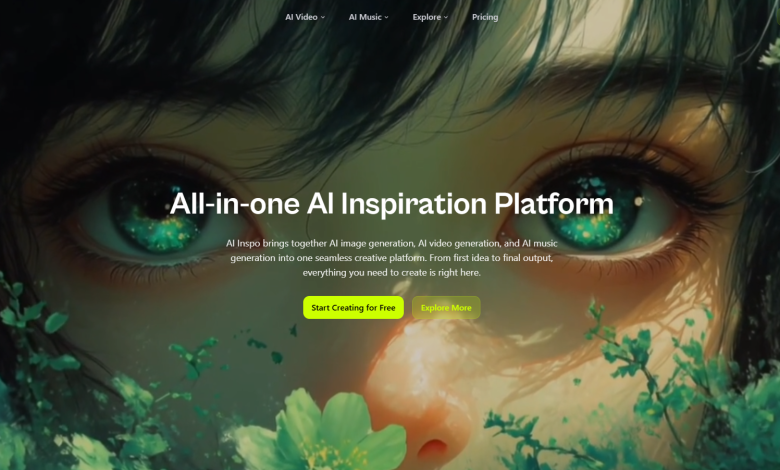
Platforms like AI Inspo are part of this new generation of AI-powered creative tools. Instead of requiring advanced editing knowledge, they allow creators and businesses to rapidly generate engaging videos optimized for modern social platforms.
As competition for attention increases, using an AI video creation platform is becoming less of a competitive advantage and more of a necessity.
Why Brands Are Rapidly Adopting AI Video Platforms
Faster Content Production
Speed is one of the biggest reasons companies are switching to AI-powered workflows. A marketing team that previously needed several days to create a promotional video can now produce multiple variations in a single afternoon.
This speed allows brands to:
- React to trends faster
- Test more ad creatives
- Publish more frequently
- Adapt campaigns in real time
In fast-moving environments like TikTok marketing, timing often matters more than production perfection.
Lower Production Costs
Traditional video production can be expensive. Costs typically include cameras, editors, actors, studios, freelancers, and post-production software.
AI dramatically reduces these expenses.
| Workflow | Traditional Production | AI Video Workflow |
| Production Time | Days or weeks | Minutes or hours |
| Team Size | Multiple specialists | Small marketing team |
| Editing Costs | High | Low |
| Scalability | Limited | High |
For startups and small businesses, this cost efficiency is especially valuable.
Scalable Multi-Platform Content
Modern brands no longer create content for just one channel. They must optimize videos for vertical mobile viewing, multiple aspect ratios, and platform-specific algorithms.
AI systems can automatically adapt a single video into:
- TikTok format
- Instagram Reels
- YouTube Shorts
- LinkedIn snippets
- Product ads
This scalability is difficult to achieve manually at large volume.
Better Personalization
AI also enables large-scale personalization. Businesses can generate multiple language versions, audience-specific messaging, and region-based creative variations without rebuilding videos from scratch.
This is particularly important for global ecommerce brands and SaaS companies operating across multiple markets.
Industries Benefiting the Most
Several industries are already seeing major productivity gains from AI video tools.
Ecommerce Brands
Online stores use AI-generated videos for:
- Product showcases
- UGC-style ads
- Seasonal promotions
- Social commerce campaigns
Fast content iteration helps ecommerce companies test more creatives while lowering acquisition costs.
SaaS Companies
Software businesses increasingly rely on video for:
- Product demos
- Onboarding tutorials
- Feature explainers
- Customer education
AI tools make it easier to update videos whenever products change.
Education Platforms
Online learning companies use AI avatars and automated lesson generation to scale educational content globally.
Agencies and Freelancers
Marketing agencies benefit from faster turnaround times and the ability to handle more clients without significantly increasing production staff.
AI Video Platforms vs Traditional Production
The gap between AI-powered workflows and traditional production continues to widen.
| Factor | Traditional Video Production | AI Video Creation Platform |
| Cost | Expensive | Affordable |
| Production Speed | Slow | Fast |
| Scalability | Limited | Extremely scalable |
| Skill Requirement | High | Beginner-friendly |
| Localization | Time-consuming | Automated |
| Content Volume | Limited | High-volume output |
While high-end cinematic productions still require traditional teams, everyday marketing content is rapidly shifting toward AI automation.
The Future of AI Video Creation
In 2026 and beyond, AI-generated video will become even more advanced.
Businesses are already experimenting with:
- AI-generated actors
- Virtual influencers
- Interactive video experiences
- Real-time personalized ads
- AI-generated training materials
As generative AI improves, video creation will increasingly become part of the standard marketing stack alongside tools like Canva, ChatGPT, and automation platforms.
The companies that adapt early will gain a significant advantage in content speed, scalability, and audience reach.
Choosing the Right AI Video Creation Platform
Not all platforms offer the same capabilities. Businesses should evaluate:
- Video quality
- AI avatar realism
- Template libraries
- Commercial licensing
- Collaboration features
- Ease of use
- Export flexibility
A strong AI video creation platform should simplify workflows rather than introduce unnecessary complexity.
Platforms such as AI Inspo are helping brands streamline production while supporting the growing demand for short-form and social-first content.
Conclusion
Video marketing is no longer optional in 2026. Consumers expect brands to communicate visually, quickly, and consistently across every major platform.
Traditional production methods struggle to meet the speed and scale required by today’s content economy. AI-powered tools solve this problem by reducing costs, accelerating workflows, and enabling high-volume content creation.
For modern businesses, adopting an AI video creation platform is becoming one of the most practical ways to stay competitive in an increasingly video-driven digital landscape.