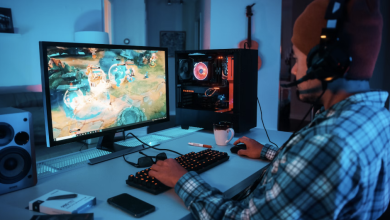
Artificial intelligence has become an important part of modern gaming, influencing how games are created, how they are played, and how players interact with digital environments. Over the years, AI technology has developed from simple programmed responses to more advanced systems that can adapt to player behaviour. This growth has affected many types of games, including video games, sports simulations, and https://www.ballycasino.co.uk/online-games/slots slot games, helping to shape the way people experience gaming today.
Early use of AI in gaming
In the early days of digital gaming, artificial intelligence was very basic. Games relied on simple rules that controlled how computer opponents behaved. These early systems followed fixed patterns, meaning that once players understood the pattern, the game became predictable.
Even with these limitations, early AI made it possible for players to compete against the computer instead of needing another person to play. This helped gaming grow in popularity, as people could enjoy games on their own.
As technology improved, developers began to create more complex systems that could respond differently depending on what the player did during the game.
Improvements in computer processing power
One of the main reasons AI has grown in gaming is the increase in computer processing power. Faster hardware allows games to run more detailed calculations in real time, which means computer-controlled characters can react more naturally.
Modern games often use AI to control opponents, teammates, or background characters. These systems can change behaviour depending on the situation, making the game feel less predictable.
The same improvements in technology have also influenced other types of digital gaming, including slot games, where software controls how the game runs and how results are generated.
AI in game design and development
Artificial intelligence is not only used during gameplay but also during the design process. Developers use AI tools to test games, check for errors, and balance game features before release.
This helps ensure that games work correctly and that the experience feels fair to players. In some cases, AI can analyse large amounts of data to see how players interact with a game, allowing developers to make adjustments in future updates.
For slot games, software systems help manage the way symbols appear, how features work, and how the overall game runs. These systems are designed to follow strict rules so that every spin works as intended.
Creating more realistic experiences
Modern AI allows games to feel more realistic by making characters behave in believable ways. In sports games, for example, computer-controlled players can react to the situation on the field instead of following the same action every time.
In other types of games, AI can change the difficulty level depending on the player’s progress. This keeps the game challenging without making it too easy or too difficult.
In slot games, technology has also improved the visual and sound effects, creating more detailed themes and smoother gameplay. While the results of each spin are determined by software systems, the use of advanced programming helps make the experience more engaging.
Personalisation and player experience
Another area where AI has influenced gaming is personalisation. Some systems can remember player preferences and adjust settings to match how the person likes to play.
For example, gaming platforms may recommend certain types of games based on previous activity. This does not change the outcome of the games, but it can make it easier for players to find options they enjoy.
As gaming libraries have grown, these recommendation systems help users navigate large collections of titles, including different styles of slot games.
The future of AI in gaming
Artificial intelligence continues to develop, and its role in gaming is likely to increase. Future games may include even more advanced systems that create dynamic environments, smarter opponents, and more detailed graphics.
For players, this means gaming experiences that feel more interactive and responsive than ever before. From early computer programs to modern digital platforms, AI has played a key role in the growth of gaming.
Whether in video games, sports simulations, or slot games, the development of artificial intelligence has helped shape the way games are created and enjoyed, and it will likely remain an important part of gaming in the years to come.