For a person who has just been injured, the period before contacting a lawyer is often less orderly than the legal industry tends to imagine. There may be medical appointments, calls with an insurance company, questions about missed work, uncertainty about what documents matter, and a growing suspicion that the situation may have legal consequences. Until recently, most of that uncertainty was worked through with family, friends, search engines, or whatever information could be found on a law firm’s website.
Generative AI has given injured people another place to take those questions, and the difference is not simply that the answers arrive faster. A person can describe an accident in ordinary language, add details as they remember them, ask whether a fact matters, then move into questions about fault, compensation, deadlines, and whether speaking with an attorney would make sense. The conversation can continue for as long as the person wants, without the commitment or friction of contacting a firm.
That creates a different kind of starting point for the legal client journey. By the time an injured person reaches an attorney, they may already have spent considerable time forming a view of what happened and what they should do next. Some of that understanding may be useful, while some may be incomplete or wrong. Either way, the attorney is increasingly entering a discussion that has already begun somewhere else.
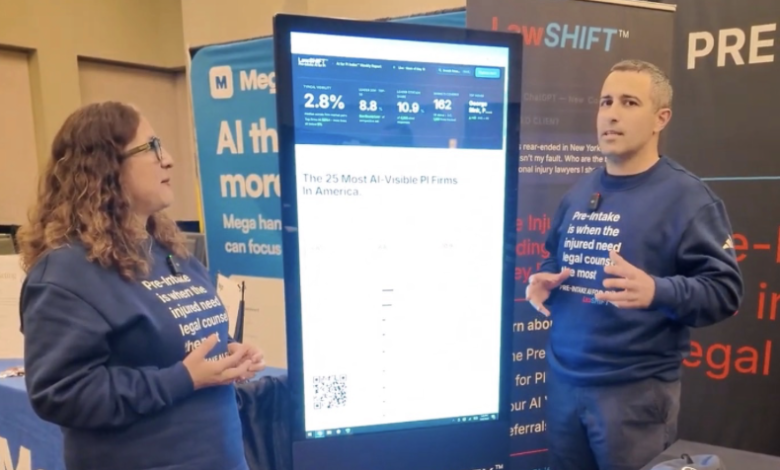
LawSHIFT has made that period a central part of its work in personal injury. The company uses the term Pre-Intake Problem to describe the stretch of time when an injured person is looking for answers, considering legal options, and deciding whom to trust before making direct contact with counsel. The company’s interest is less in whether AI can replace a lawyer than in how AI changes the decisions that happen before a lawyer becomes involved.
“Firms are investing in AI to handle more cases. Yet most PI attorneys tell us their problem is getting more cases in the door, not handling the ones they have. The place those new cases are decided is before intake. Especially now,” said Nick Kringas, founder and CEO of LawSHIFT.
That is important because people do not need to treat an AI system as a substitute for legal representation for it to have influence. A recommendation can shape which firms they research. An explanation of contingency fees can affect whether they feel comfortable making a call. A rough discussion of case value can create expectations that an attorney later has to clarify. Even an inaccurate answer can have consequences if it changes what the person believes is worth pursuing.
An attorney recently described one version of this behavior to LawSHIFT at an industry conference. According to the attorney, a prospective client had met with several lawyers, taken notes, collected contingency agreements, and then uploaded the material to an AI platform for help choosing among them. The client ultimately hired the lawyer the system recommended despite contingency fees being higher. LawSHIFT has treated the account as anecdotal rather than as a verified case study, but the story is useful because the AI system did not perform any legal work. Its influence came from helping the consumer decide which lawyer deserved the next conversation.
“An attorney in the ABA Journal called this ‘the WebMD effect on steroids,’ and that’s exactly right. Doctors have been meeting self-diagnosed patients for twenty years. Lawyers are now meeting clients who arrive the same way,” said Kringas.
That kind of decision used to be shaped largely by reputation, referrals, advertising, and search visibility. Those influences have not disappeared, but AI can now sit between them and the eventual call. A person can hear a lawyer’s name from a friend and ask an AI system whether the recommendation seems credible. They can find a firm on Google and then use AI to compare it with several competitors. They can ask whether one firm appears to have more experience with a particular kind of injury or whether a claim on a website is meaningful.
That makes authority increasingly important inside the pre-intake window. A firm with a strong reputation can still be effectively invisible if AI systems do not understand the evidence behind it. LawSHIFT addresses that gap through the AI for PI Index, which helps firms see where they stand within their markets, and the AI Authority Protocol, which helps them build the signals AI systems can recognize and use. CASETIMATOR addresses the consumer side of the same window by helping injured people move from early questions toward trusted legal counsel.
“Think about what somebody actually types. I got rear-ended in Milwaukee, I don’t know what to do. That’s the start of the conversation, and most firms have no idea whether they’re in it. You know when you lose a case. You have no idea when you got left out of an answer,” said Bill Wilson, Monetization and Data Science Lead at LawSHIFT.
LawSHIFT’s broader research into personal injury firms grew from noticing that this new layer of consumer decision-making was difficult to see through conventional marketing data. Law firms are accustomed to measuring calls, forms, consultations, and signed cases because those activities leave records. An AI conversation does not. A firm may never know that it was considered, compared, or rejected before the prospective client entered any system the firm controls.
The practical consequence is that intake may no longer provide the clean beginning point it once seemed to offer. A prospective client can arrive with assumptions about liability, value, and which attorneys appear credible, all formed before anyone at the firm has spoken with them. Attorneys may increasingly have to understand not only the facts of the injury but also the informational path that brought the person to their office.
None of this reduces the importance of legal judgment. Personal injury cases still depend on evidence, applicable law, negotiation, professional responsibility, and facts that may not be obvious to the person describing the situation to an AI system. Those are precisely the areas where a licensed attorney remains essential.
What is changing is the sequence in which people encounter legal information and professional counsel. The lawyer may still become the most important source of guidance in the matter, but that guidance is arriving later in a process that consumers can now begin on their own. For firms that have spent years refining what happens once a potential client calls, understanding what shaped that call may become just as important.