Care of an aging loved one can be a matter of trust, but worry can creep in unnoticed as you are unable to be present to check in daily on the state of affairs. You might question whether drugs are administered promptly, whether falls are not detected, or whether they are missing some indications of neglect.
As a result, these issues may be confusing, particularly in cases where care facility communication is not clear. Meanwhile, traditional monitoring approaches are based on human reporting that can omit important information.
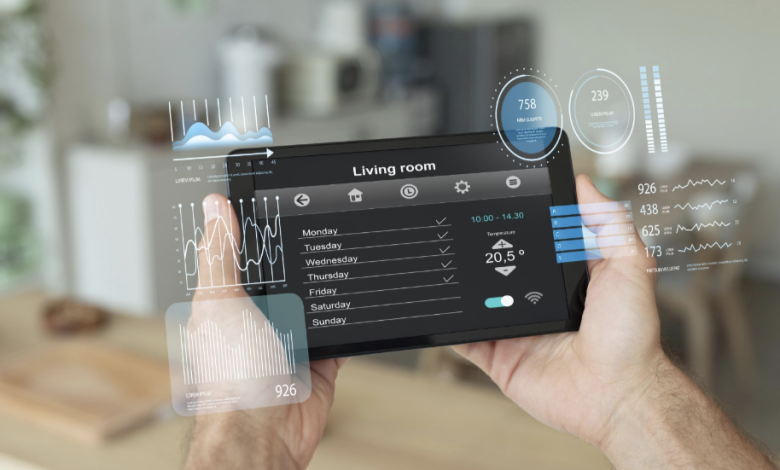
This is, however, changing with technology. As IoT devices and AI-driven monitoring systems become prevalent, a new level of responsibility is coming into being in the context of elder care. These tools are ever-present observers that record real-time data and trends. This article discusses the role that digital monitoring is playing in helping detect and curb elder neglect.
1. Live Tracking establishes Real-Time Visibility

Firstly, IoT devices will facilitate constant and real-time monitoring of the state of a resident and their surroundings. Motion sensors can track movement, room temperature, and even sleep patterns. This makes you have objective data rather than depending on only periodic updates.
As an example, when a patient has not moved within an abnormal duration of time, alerts can be sent immediately. This minimizes the chances of unnoticed falls or long-term discomfort. In addition, wearable devices will be able to monitor vital signs, including heart rate and oxygen levels, as well as respond to health changes in a timely manner.
Families usually seek professional guidance once technology uncovers systemic failures. For instance, an experienced Decatur Nursing Home abuse lawyer can use these objective digital logs to bypass ‘he-said-she-said’ arguments, ensuring accountability is backed by unshakeable data.
2. AI Identifies Trends that Humans can Overlook
As sensors gather information, AI systems are used to analyze this information to extract meaningful patterns. It is here that transformation takes place. Rather than single observations, AI relates several data points to determine abnormal behavior over time.
As an example, a slowing down of mobility or constant delays in assistance can be a sign of neglect. These minor trends may be missed by staff, but AI systems can see them early. As a result, interventions can be implemented prior to the deterioration of conditions.
Moreover, predictive analytics is able to foresee risks like falls or dehydration. Care providers are able to proactively address these risks by determining them beforehand. Such a transition to preventive care over the reactive one is much more efficient in terms of safety and quality of life.
3. Video Analytics Increases Transparency without Intrusion
The other innovation that has been made is AI-enhanced video surveillance. Modern systems, unlike conventional ones, emphasize behavioral analysis and not perpetual surveillance. This guarantees privacy yet upholds supervision.
As an example, AI can identify when a resident is unattended for an extended time or when there is mishandling during the aid. Meanwhile, sensitive regions may not be monitored to uphold dignity. This is a safety and privacy equilibrium that is necessary.
Moreover, video recording offers factual evidence when there is a conflict. Rather than conflicting accounts, a clear record of events is evident. Consequently, there is greater transparency, and accountability becomes inevitable.
4. Alerts are Automated to Enhance Response Time
Timing is a determinant of what happens in the elderly care set-up. Even slight delays can have grave consequences. Automated alert systems are thus vital in minimizing the response time.
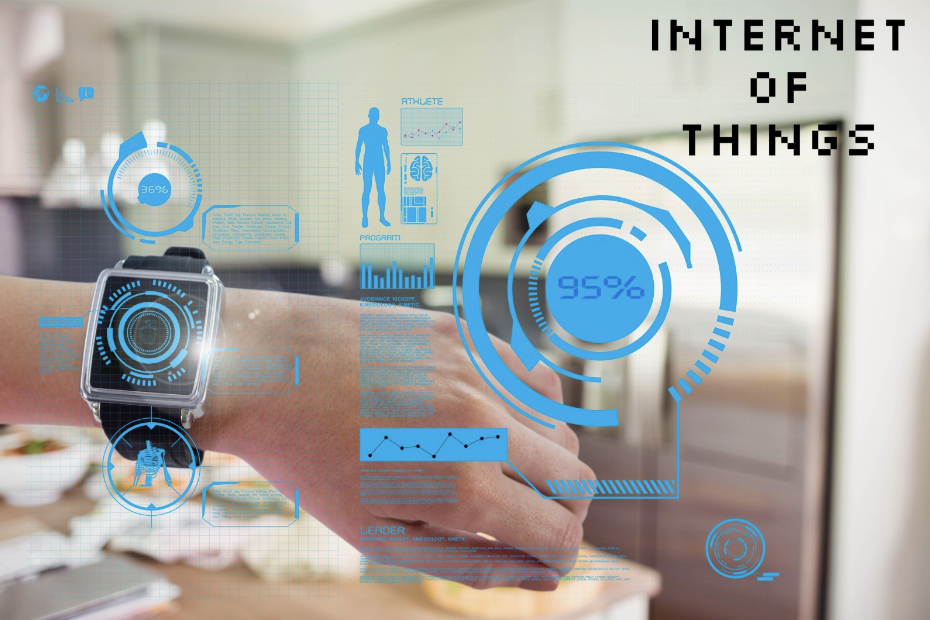
In case of anomalies in IoT devices, i.e. sudden inactivity or abnormal vital signs, alarms are sent instantly to the caregivers. This makes sure that there is no delay in providing assistance because of oversight or workload.
In addition, the alerts can be tailored according to personal health conditions. In a particular case, some monitoring thresholds can be stricter in the case of a resident with a history of falls. This results in more personalized and efficient care.
Moreover, families are also able to receive notifications, which promotes transparency. The aspect of knowing that you will be informed makes one feel reassured and trusted.
5. Digital Records Enforce Legal and Ethical Responsibility
In addition to instant treatment, digital monitoring systems generate comprehensive documentation that may be utilized in review and accountability. Such records contain timestamps, activity logs, and health data that give a complete account of day-to-day care.
This information will be precious in case of neglect. A clear and objective record of events is present, as opposed to relying on memory or incomplete documentation. This fortifies investigations and makes responsibilities well-defined.
Simultaneously, monitoring systems promote improved compliance among employees. The awareness that the actions are monitored usually contributes to better compliance with care standards. Thus, technology does not just identify problems; it discourages them as well.
6. Empowering Families Through Access to Information
Equally important, these technologies empower you with direct access to information. Many systems offer user-friendly dashboards where you can view updates, alerts, and trends.
This level of access changes your role from passive observer to active participant in care decisions. Instead of waiting for reports, you can monitor conditions in real time and ask informed questions.
Moreover, consistent visibility builds trust. When you can verify that care is being delivered properly, confidence in the system increases. On the other hand, if irregularities appear, you can address them promptly.
This empowerment is especially valuable for families managing care from a distance. Technology bridges the gap, ensuring that distance does not compromise oversight.
7. Ethical Considerations and Responsible Implementation

While the benefits are clear, it is equally important to consider ethical implications. Privacy, consent, and data security must remain top priorities when implementing monitoring systems.
For instance, residents should be informed about the presence and purpose of monitoring devices. Transparency ensures that technology is used as a supportive tool rather than an intrusive measure. Additionally, data collected must be securely stored and accessed only by authorized individuals. This prevents misuse and protects sensitive information.
Responsible implementation also involves balancing technology with human care. While AI and IoT provide valuable insights, they should complement, not replace, compassionate caregiving. Ultimately, the goal is to enhance care quality while preserving dignity.
Final Thoughts
Digital monitoring is reshaping elder care by introducing transparency, accountability, and proactive intervention. Through IoT devices and AI analytics, you gain access to real-time insights that were once unavailable.
As a result, potential signs of neglect can be identified early and addressed effectively. Moreover, automated alerts and detailed records ensure that care standards are consistently maintained. At the same time, these technologies empower you to stay informed and involved, regardless of distance.
However, responsible use remains essential, with privacy and ethical considerations guiding implementation. When used thoughtfully, these tools act as a reliable digital eyewitness, strengthening trust and improving outcomes in elder care environments.