In under a decade, the modern workplace has experienced a drastic and unprecedented transformation. A typical workday meant commuting, sitting at a fixed desk and a heavy reliance on one app for a specific task. That version of work has been rewritten, thanks to technological advancements that have touched nearly every corner of enterprise, and the biggest shift among these advancements is not just how we work, but with whom.
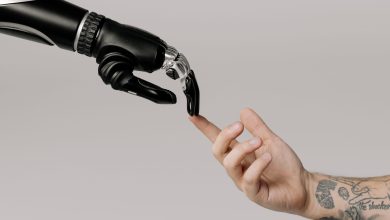
Today, most employees don’t have shiny degrees, elite networking skills or even a physical presence. Agentic AI, widely regarded as the digital coworker, has rapidly integrated into teams across industries, alleviating them of repetitive workflows and creating more productive work environments. They’ve gone from passive tools to active players, and that will consistently evolve to better suit enterprise demands.
Navigating the Rising Demand for Agentic AI in Enterprise
There is a clear increase in use and demand for the digital coworker in the enterprise, with 88% of them reporting regular use, and 62% reporting scaling or experimenting efforts in 2026. About a quarter of these businesses report they’re scaling initiatives, but only in one or two functions.
This limitation isn’t from a lack of ambition. Traditional RPAs (Robotic Process Automation) typically only allow employees to automate simple, repetitive workflows, creating a roadblock for tasks that require complex operations.
Take an agent aimed at streamlining work surrounding meetings, built strictly to join, record, document and summarize them. Though useful, this AI agent’s code can’t go beyond the first steps to email participants about action items, schedule additional meetings or jumpstart discussed projects.
With an influx of specialized digital coworkers, there is a clear appetite for this technology, but its potential value is capped by its inability to go beyond a single function. As a response, developers are racing to create the next best AI to automate any workflow, turning the ‘AI bot’ into a true digital coworker. This gap between an enterprise’s needs and what current AI agents can deliver is exactly what’s fueling the next wave of innovation.
Redefining Automation with GUI-Based AI
While API (Application Programming Interface)-based digital coworkers have historically struggled with complex workflows, GUI (graphical user interface)-based AI agents have fundamentally changed what’s possible. These AI agents solve the developer bottleneck created by traditional RPA’s, such as ambiguity and stalled integration, and address the current agent gap by using GUI workflows designed for broader acceptability.
The average human workday requires multiple applications to complete one task, including logins, interfaces and variables. Most digital coworkers on the market are API-based, often confining them to work within a single application. Though these AI agents are useful with consistent and predictable workflows, they can’t perform higher-level or multichannel tasks. These obstacles cause businesses to jump from application to application, undermining the value and efficiency that the technology promised.
This is where GUI-based agentic AIs come into play. GUI-based digital coworkers are adaptable across a breadth of industries due to their flexibility. In marketing, for example, the digital coworker can segment target lists, conduct focus group testing and more, all while being aware of the company’s design tools with access to platforms to automate various workflows. Likewise, a recruiting employee can use their GUI-based digital coworker to scan job websites for candidates, schedule interviews, and review resumes. With GUI-based agents, the possibilities for productivity are endless.
Rethinking the Purpose of the Digital Coworker
Innovations in agentic AI have transformed the purpose of the digital worker, alongside our relationship with it. We’ve gone from simply using agentic AI to collaborating with it. Over the last few years, developers have pushed to see just how much we can delegate to these digital coworkers, and in return, they have pushed us to discover just how much of our jobs are uniquely human.
By reinvesting extra time, profit, and resources into what makes their business uniquely human, enterprises can expand their capacity, services and overall business development. This includes enlisting employees in upskilling programs, shifting them into more human-facing and strategic roles, or expanding into new markets while supporting the same headcount.
As the AI scales, skilled employees will need to be present to provide oversight and train their digital coworkers along with their evolving industry—a responsibility that didn’t exist before. Managing digital coworkers will be much needed as these AI agents can scale via cloud infrastructures.
Scaling Agentic AI Across Enterprise Is the Next Frontier
With GUI-based digital coworkers that are resilient and easily adoptable, the next step of innovation is scale. As enterprises grow, they’ll need AI agents that can scale alongside infrastructure needs and can be made available to every team in any function.
The enterprises that will champion their industries are the ones that can deploy these AI agents across departments, cloud environments and global teams without sacrificing performance or consistency. They’ll become the backbone of the modern workplace, with enough flexibility to pivot as needed while meeting the demand for high performance.