Tencent is launching an overseas version of QClaw, an AI agent designed for mainstream users who want to automate everyday digital tasks without dealing with developer-style setup.
Built on top of the open-source OpenClaw framework, QClaw is being introduced as a more consumer-friendly take on AI agents, aiming to make task automation accessible to users without technical backgrounds.
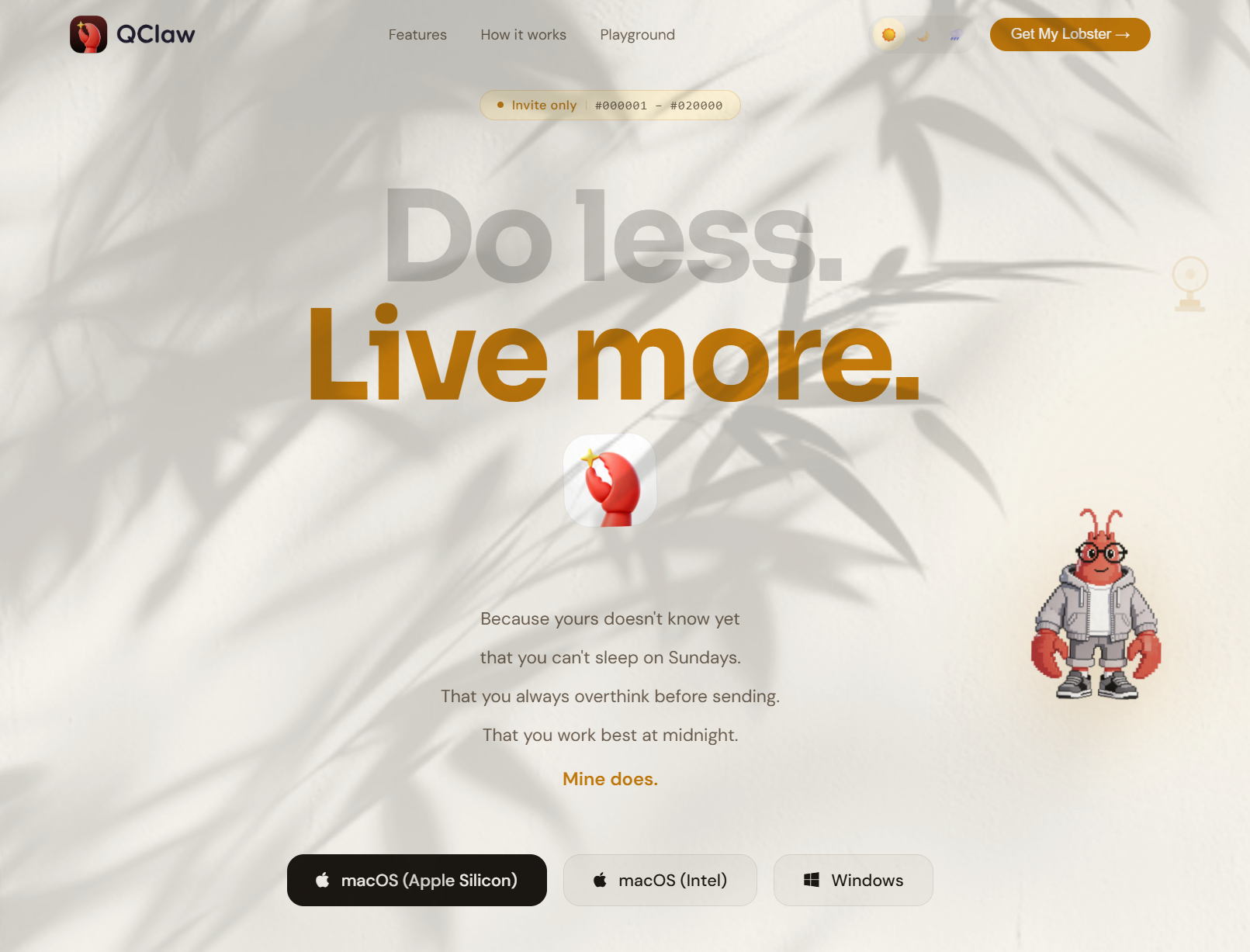
The overseas version will support Google account login at launch, with additional sign-in options such as phone number, Apple account and other email methods planned for later stages. Access will initially be managed through a waitlist and private-invite system.
One of QClaw’s main differences from more technical agent tools is its setup. Tencent says the app can be installed without terminal commands or dependency configuration, and that it is designed to run on both Mac and Windows. The setup process is intended to resemble downloading a standard consumer app rather than configuring developer software.
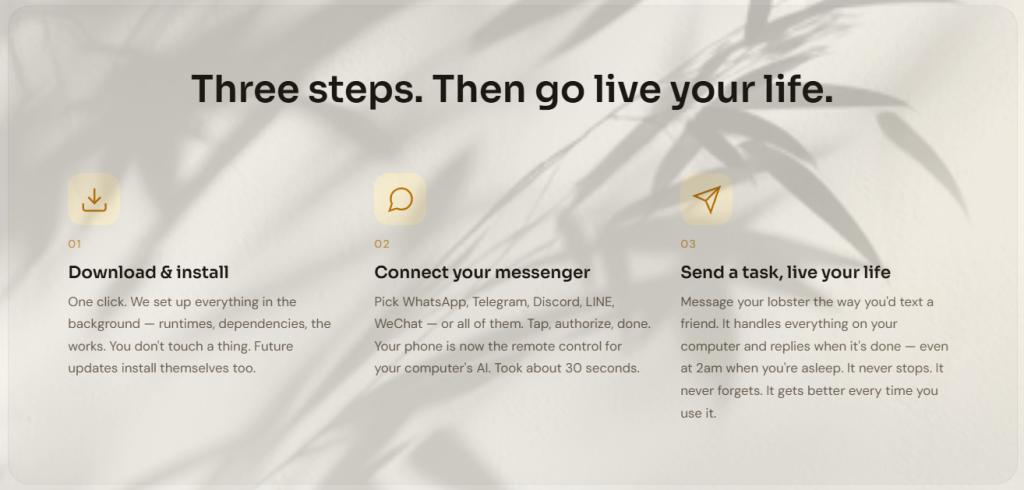
Another defining feature is the way users interact with it. Instead of requiring a dedicated interface, QClaw is built to receive instructions through messaging platforms, with WhatsApp and Telegram among the first channels being prioritized. The idea is that users can send requests as they would in a normal chat, while the agent carries out tasks in the background on their computer.
On the security front, QClaw runs locally — all data is processed on the user’s device. A dedicated security module called “Gateway” provides end-to-end protection for AI operations, detecting malicious instructions and skill-poisoning risks in real time.
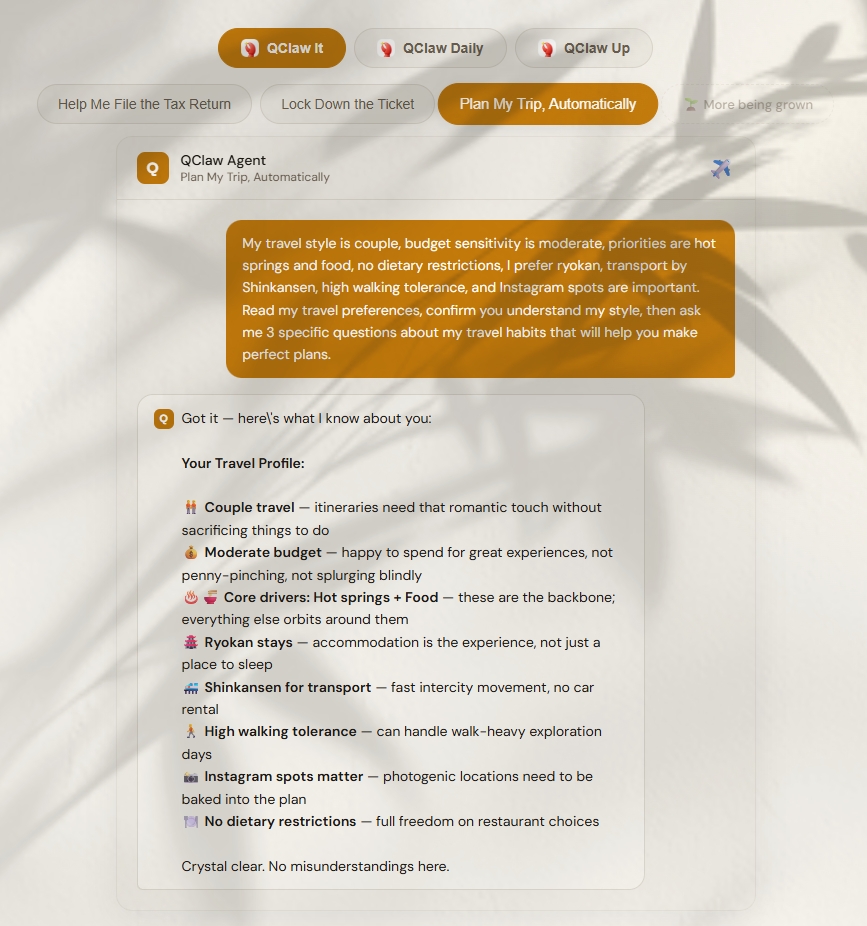
The product is being introduced with a set of consumer-focused use cases rather than conventional workplace productivity scenarios. Materials shared for the launch point to tasks such as handling invoicing and payment follow-ups for side businesses, publishing content automatically, or monitoring housing listings across platforms and sending alerts when something matches a user’s budget and location.
The release comes as AI companies increasingly look beyond chatbot interfaces and push toward software that can take action on behalf of users. In that context, QClaw appears to be part of a broader effort to make AI agents feel less like technical tools and more like background assistants for everyday life.
Tencent is also limiting availability in the initial rollout, with a finite number of Founding Claw slots tied to the first public release.