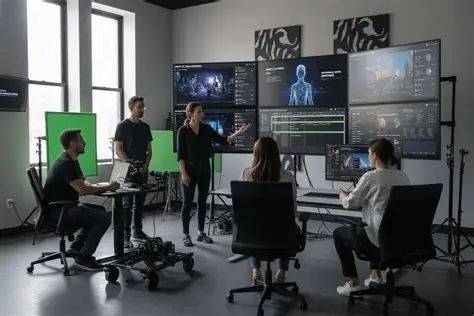
AI video production is becoming a practical part of everyday marketing, education, and product communication. The teams that get the best results usually treat the technology as a structured production system instead of a shortcut for random clips. A useful workflow starts with a clear purpose, a defined viewer, and a short brief that explains the message, tone, visual style, and final channel. When those basics are written down before a prompt is created, the output is easier to review and improve.
The first planning step is to decide what the video must accomplish. A product team may need a simple feature demonstration, a training group may need an explainer, and a social media team may need several short variations from the same idea. Each use case needs a different pace, format, and level of detail. Writing these differences into the brief prevents the production process from drifting toward a generic result that looks polished but does not serve the audience.
Teams should also define the source material before using any generation tool. This may include approved product screenshots, brand language, reference images, style notes, and claims that have already been checked by legal or compliance reviewers. AI systems can help turn these inputs into motion, transitions, scene ideas, and draft narration, but they still need reliable direction. Without that direction, a team may spend more time correcting unclear outputs than it would have spent preparing the brief.

For teams that want to test a focused workflow, Wan 3.0 can be evaluated as part of a repeatable process that begins with a narrow creative brief and ends with human review. A practical pilot might include three short concepts for the same campaign, each with a different visual rhythm and call to action. Reviewers can then compare accuracy, clarity, brand fit, and editing effort before deciding whether the workflow is ready for broader use.
Quality control remains essential. Reviewers should check that the final video does not imply unsupported facts, misrepresent product behavior, or create visual details that could confuse viewers. If people, logos, interfaces, or technical claims appear in the video, they should be reviewed with extra care. A simple checklist can cover factual accuracy, brand consistency, accessibility, caption quality, and whether the video meets the platform’s length and format requirements.
Another practical habit is to separate experimentation from production. During experimentation, creators can test prompts, visual styles, camera movement, and pacing without worrying about final approval. During production, the team should work from approved inputs and keep a record of the prompt, source assets, draft versions, and final edits. This record makes it easier to reproduce a successful approach and reduces confusion when several people are involved.
AI video tools are most useful when they support a clear creative process. They can reduce the time needed to explore ideas, build drafts, and adapt content for different channels, but they do not remove the need for editorial judgment. Teams that combine structured planning, careful review, and realistic expectations are more likely to produce videos that are accurate, useful, and aligned with their goals.