



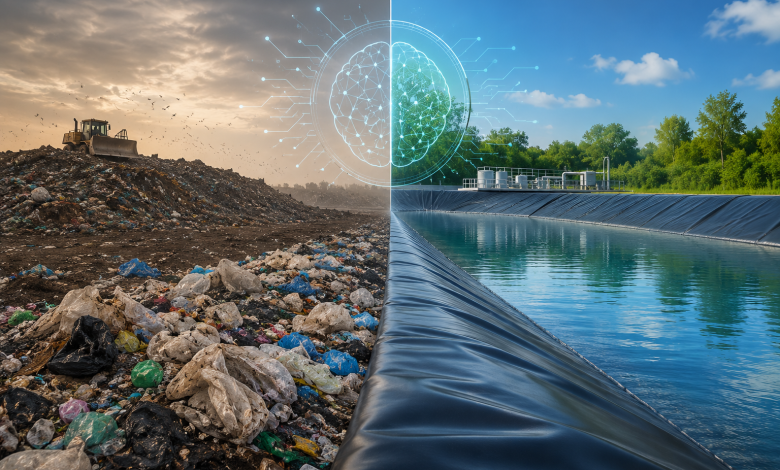
Plastic pollution is a problem in our world today. We see pictures of coastlines full of litter and overflowing landfills with polluted water. This makes governments and companies think about how we use plastic. Most people talk about reducing waste and recycling more to find ways to have a sustainable use of plastic. These things are important. It is important to understand that not all plastic is bad for the environment.
There are some special plastics that are kinder to the environment. Industrial geomembranes are an example. These are like sheets that help companies manage waste and protect water. They work behind the scenes in landfills and wastewater systems. While some plastics make pollution worse but geomembranes are different. They help reduce contamination risks and make our infrastructure cleaner.
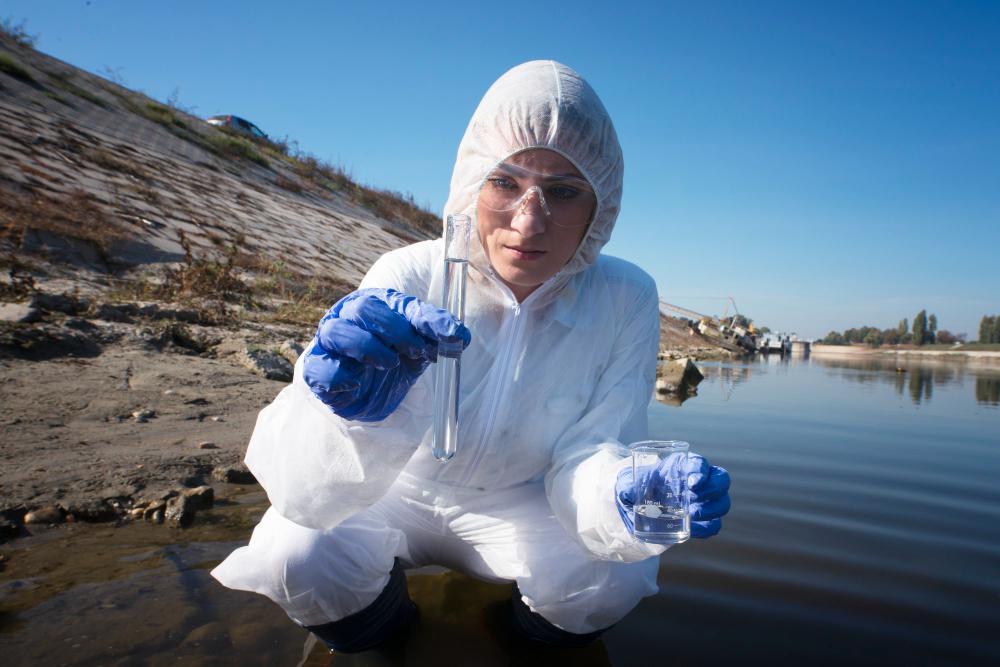
What Do Industrial Geomembranes Actually Do
Geomembranes are special barriers. These barriers help in stopping liquids and contaminants from getting into the soil. They may sound simple but they make a big difference. These liners create systems that help companies control pollution and manage waste safely.
Geomembranes are usually made from materials like high-density polyethylene or low-density polyethylene or polyvinyl chloride. Engineers choose these materials because they can withstand chemicals and polluted water. Moreover, they can also tolerate temperature changes and physical wear. These liners can last for decades in different conditions.
Why Cleaner Landfills Need Modern Geomembrane Systems
Landfills are still a major part of waste infrastructure. It is even when recycling efforts are continuously growing. Modern waste facilities function differently from traditional disposal sites. It is so because environmental standards have been modified significantly. Landfill operators now face stronger and stricter regulations. These are designed to reduce contamination risks and also protect groundwater systems.
One big concern is leachate. It is a liquid that forms when water moves through waste and picks up chemicals and contaminants. Leachate can get into nearby groundwater when there is no containment system. Industrial geomembranes create barriers under landfill systems to prevent this.
“People are starting to see geomembranes as a part of environmental protection. The conversation around geomembranes has changed a lot in the waste industry. Engineers used to see them as a cost. Now they see them as a crucial defense against groundwater contamination. The data shows that modern HDPE liners make a difference in reducing leachate migration rates.”
Protecting Water Systems Needs Better Infrastructure Planning
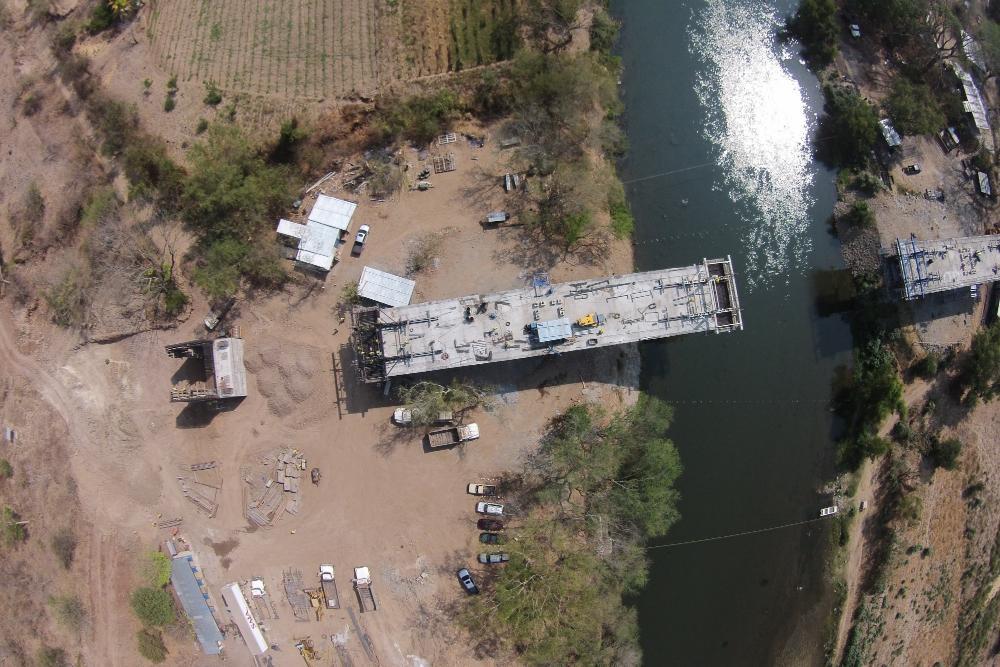
Water infrastructure faces challenges. Population growth increases demand while old systems create problems. Drought conditions, industrial activity, and changing weather patterns put more pressure on water resources. Communities need protection systems to keep water clean and reduce losses.
Industrial geomembranes help with water management in many ways. Reservoir liners reduce seepage. They also improve water conservation. Irrigation systems use containment barriers to improve efficiency. Wastewater facilities rely on liners to separate treatment processes from the environment.
Why HDPE Geomembranes Are Becoming The Standard
High density polyethylene geomembranes are widely used in environmental infrastructure projects. They are durable and also perform well in tough conditions. Containment systems face environmental stresses but HDPE geomembranes can withstand them.
Chemical resistance makes HDPE valuable for containment systems involving wastewater and industrial byproducts. Strong puncture resistance improves lasting durability. It also reduces maintenance concerns.
Mining and Industrial Sites Need Stronger Environmental Controls
Mining operations and industrial facilities manage materials that require containment. Wastewater, chemical byproducts and industrial runoff create risks if facilities lack reliable protection systems. Strong containment infrastructure reduces exposure. Hence, it improves operational safety.
Industrial geomembranes help mining operations in isolating waste materials. They reduce contamination risks in this way. These barriers also help facilities in maintaining compliance standards.
Not Every Plastic Product has the Same Environmental Impact
People usually talk about plastic pollution in terms of consumer waste. Disposable packaging and similar materials are environmental concerns. Industrial geomembranes are different. They are not designed for convenience or temporary use. Geomembrane systems often remain operational for decades while serving pollution prevention purposes.
A landfill liner that prevents groundwater contamination has a more environmentally beneficial outcome than disposable packaging that enters waterways. Water containment systems that conserve resources serve a purpose more than temporary consumer products.
It is important to understand these differences when evaluating environmental solutions. Both material performance and intended use influence lasting environmental impact. Engineered infrastructure materials sometimes even solve environmental issues rather than creating them. Industrial geomembranes show how durable materials can help industries reduce contamination risks while also supporting cleaner infrastructure systems.
Climate Challenges Are Increasing Demand For Better Containment
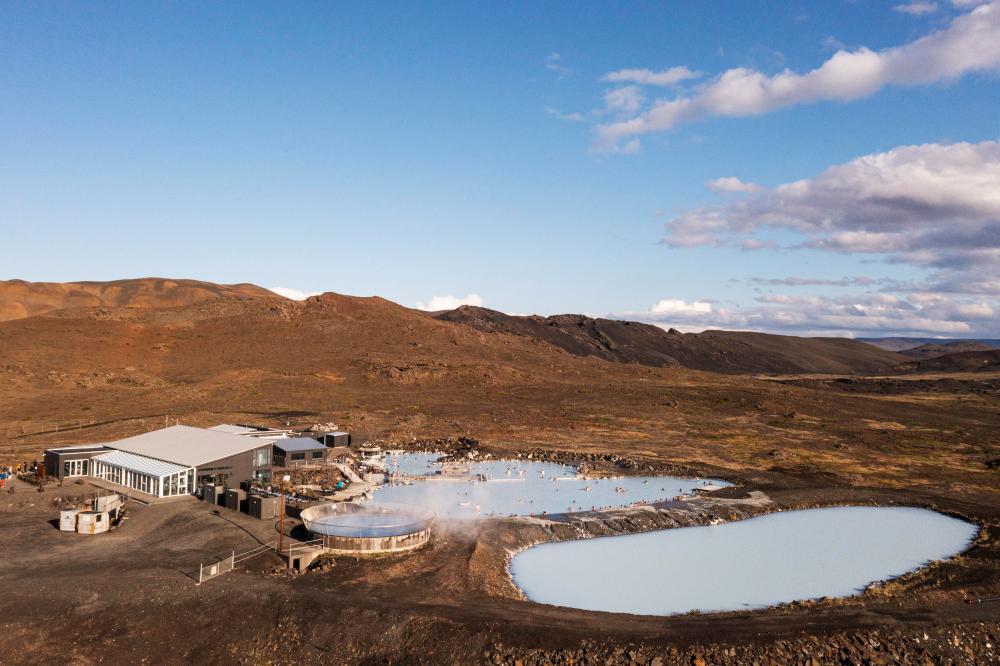
Changing climate conditions create infrastructure demands. Droughts increase water conservation pressure. Severe storms create flooding risks. Aging infrastructure systems face strain during extreme weather events.
Containment technology helps strengthen resilience planning. Reservoir lining systems improve water retention during dry periods. Stormwater containment infrastructure improves flood management capabilities. Industrial containment systems reduce exposure during severe weather conditions.
Modern infrastructure needs to perform under changing environmental conditions for decades. Materials that are selected for containment projects must balance environmental protection performance with durability. Durable containment systems will likely remain critical tools for future planning efforts since climate pressure is continuously affecting infrastructure decisions.
Cleaner Infrastructure Requires Practical Environmental Solutions
Environmental progress rarely depends on a solution. Recycling or waste reduction or better infrastructure planning all matter. Cleaner environmental systems often come from improvements in working together.
Industrial geomembranes help industries strengthen waste management infrastructure and protect groundwater resources. They also improve containment performance. Their value comes from prevention. Strong containment reduces risks before damage occurs.
The conversation around plastics is changing. Some applications create pollution concerns while others support environmental protection goals. Plastic often gets a name but industrial infrastructure shows another side of the story.
We cannot say the same thing about all plastics. Industrial geomembranes are helping landfills reduce contamination risks, make stronger water systems, and improve environmental resource protection. Industrial facilities strengthen controls. Their role goes beyond following rules. They support operations and help protect groundwater and natural resources. Industrial geomembranes are a part of building cleaner landfills and water systems.
Conclusion
People usually talk about plastic because of the problems it causes. There is another side to the story when we look at industrial infrastructure. Different types of plastic do different types of things. For example industrial geomembranes are really helpful in landfills because they reduce the risk of contamination and they also help water systems to be better protected. Industrial facilities use them to have control over the environment.
Industrial geomembranes do a lot more than just help people follow the rules. They help keep operations clean and protect the groundwater and natural resources. As people keep changing the rules to protect the environment, we will still need systems that can keep everything contained.
We still need to get rid of the waste that we do not need. That is why there are special materials helping industries build better landfills, stronger water systems and cleaner infrastructure for the future. Industrial geomembranes are playing a role in this. They are helping to build safer landfills and cleaner industrial facilities. The use of geomembranes is important for protecting the environment and natural resources.