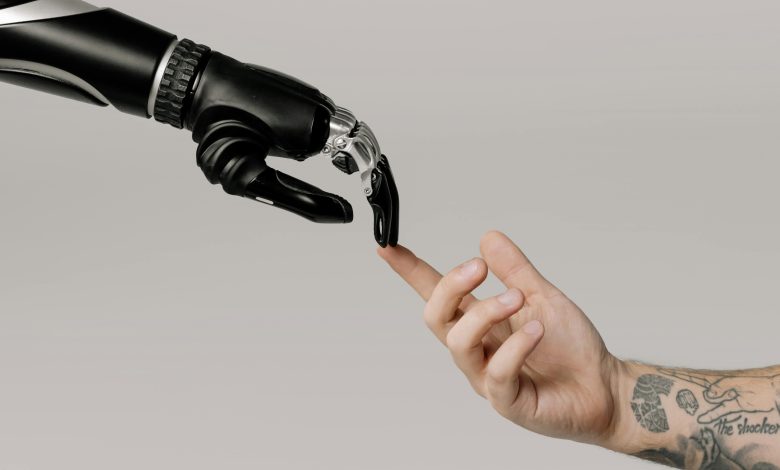
Artificial intelligence is no longer just a back-office efficiency tool; it is becoming a central force in reshaping how organisations support their people. Few functions face this shift as directly as HR. With its very identity tied to human connection, HR is often portrayed as at risk of being “dehumanised” by technology. In practice, the opposite is happening: effective use of AI is creating space for HR teams to be more human, not less.
The common fear is that automation strips away empathy, reducing HR to something cold and mechanical. However, with the right implementation, AI becomes a quiet but powerful partner. It takes on the heavy lifting of manual processes and surfaces insights hidden in data, giving HR leaders the freedom to focus on what really matters: supporting people, building trust, and shaping culture.
AI as a Partner, Not a Replacement
HR teams have long been weighed down by repetitive but vital tasks — reconciling spreadsheets, correcting payroll errors, and answering the same queries on repeat. While essential, this kind of admin often sidelines the real value of HR: supporting people, shaping culture, and driving long-term strategy.
Modern platforms are changing that dynamic. From digital assistants handling routine employee queries, to payroll engines flagging anomalies before they cause problems. Workflow tools can guide managers through a multitude of tasks from absence management to appraisals. Each capability removes friction and frees up time that can be reinvested in coaching, wellbeing, and organisational development — areas where human skills are indispensable.
Crucially, this is not a story of HR being replaced, but one of HR being empowered. AI isn’t a substitute for leadership, empathy, or culture-building. It’s an enabler of all three.
Turning Data into Better Outcomes
These benefits apply everywhere, but they are most visible where HR teams face the greatest strain — for example, the public sector. Often under-resourced but responsible for supporting thousands of employees, these teams are expected to deliver consistency and care under pressure. In such environments, even a single payroll error can snowball, eroding trust and diverting valuable time into costly corrections.
AI is already proving its value here. Automated payroll checks catch anomalies before payslips are issued, sparing both employees and HR teams the frustration of errors. Process assistants help managers approve leave or document performance, ensuring consistency and faster service. The result is not just fewer admin headaches, but better employee outcomes: higher satisfaction, smoother processes, and more resilient teams.
To see the real potential of HR technology, I often draw on my background in neuroscience. The brain doesn’t work as isolated parts; it thrives on connections. HR systems should as well. Too often, organisations rely on disconnected tools — one for payroll, another for scheduling, another for learning. Each works alone, but the bigger picture is fragmented. When data is integrated, hidden patterns emerge: links between absence and engagement, or payroll anomalies and scheduling gaps. With that visibility, HR teams can move from reactive problem-solving to proactive leadership.
Reframing the Conversation: Turning Fear into Empowerment
The prevailing narrative around AI in HR still leans heavily on risk and job loss but the more compelling story is one of empowerment. By handling repetitive processes, AI frees HR professionals to lean into leadership, wellbeing, and culture-building — the areas that drive genuine organisational impact.
When used thoughtfully, AI enables HR to become more agile, personal, and impactful than ever before. Integrated data reveals hidden connections between absence, engagement, and scheduling. Systems tuned to organisational culture adapt their tone and guidance to reflect the values of the workforce. Employees feel supported, not managed by a machine. Leaders gain the visibility they need to anticipate challenges and are more likely to respond with empathy.
I often compare this adaptability to a graphic equaliser: just as you tune bass and treble to suit your taste in music, people should be able to “tune” how digital assistants interact with them. Some employees want quick, concise answers; others prefer step-by-step guidance. That flexibility builds trust and encourages adoption across a diverse workforce.
HR’s Next Chapter : Tech as the Engine, People as the Purpose
The future of HR shouldn’t be defined by how much technology it uses, but ultimately by how human the results feel. With AI taking on repetitive processes and enabling greater insight, HR leaders can gain the bandwidth to focus on people, purpose, and performance. Instead of replacing the human side of HR, AI is making it more visible and more valuable. As we move forward, the organisations that thrive will be those that embrace this reality: the most advanced HR is also set to be the most human.
HR as a discipline was never intended to prioritise processes and forms over people – its focus has always been to help build companies with the right people, in the right roles, and enabling them to do their best work. AI doesn’t change this mission – it makes it easier to achieve. By handling cumbersome administrative tasks and unlocking data driven insights, technology can fuel more human conversations that build trust and drive engagement to create positive workplace cultures.