
With AI turning data centers into innovation powerhouses, an IT transformation can’t be complete without a solid global compliance strategy for product compliance, product safety, and international market access. The complexity of AI-powered infrastructure, with high-performance hardware such as GPUs and TPUs, requires rigorous safety testing, EMC testing, and electrical safety compliance. Compliance engineers are a key part of the organization’s team that works to secure regulatory approvals, navigate a wide array of standards, and utilize tools such as ETC (Environmental Test Chambers) to facilitate deployment. Here are three steps for constructing a strong global compliance strategy for AI-based data centers.
- Understand Regional Regulatory Requirements
Global market access begins at the regional level with detailed knowledge of regulations. European CE marking, which includes RoHS and the Low Voltage Directive, focuses on environmental and electrical safety. And for North America, UL or NRTL is a must-have; Asia lives by CCC. Every region has its specific product safety and EMC requirements. These requirements need to be mapped as early as possible by compliance engineers, who can develop a compliance checklist specifically for target markets. This minimizes waste of resources by obtaining regulatory clearances faster, preventing any delay in the launch into the market.

Fig.1 – Framework of Regulatory Compliance
- Prioritize Electrical Safety Compliance
AI data centers are built on power-aggressive hardware, and electrical safety compliance is even more critical. Standards such as IEC 62368-1 regulate tests for insulation, grounding, and fault protection designed to mitigate risks, including electrical shock or fire. The high voltage safety testing at ETC is a simulation of high voltage, which causes the hardware to perform under stress. For example, dielectric withstand tests check insulation integrity, and leakage current tests verify that the device can be safely operated. Tests like these should be included as part of the development cycle by a compliance engineer to ensure product safety and compliance goals from design through deployment.
- Incorporate Robust EMC Testing
EMI/EMC in tightly packed data centers is crucial, as interference can cause damage to operations. EMC testing based on standards such as CISPR 32 verifies that the hardware neither emits too much interference nor is disturbed by environmental noise. ETC provides you with the capability to test in a real-world electromagnetic environment. EMC testing and safety testing have to be dealt with by compliance engineers at the same time to optimize certification. This two-pronged strategy helps ensure product compliance, mitigates the risk of system failure, and simplifies the path to the global marketplace by addressing international EMC standards.
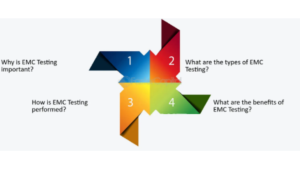
Fig. 2 Key Aspects of EMC Testing
- Embed Compliance in Design Phases
A proactive product compliance approach integrates product compliance as early as possible in the hardware development process. Postponing until late in development increases the cost of redesign or nonconformances. Compliance engineers need to work with design teams to design AI hardware, whether it’s servers or cooling systems, to conform to norms like IEC 60950-1. By doing prototype testing with ETC, problems such as thermal runaway, thermal instability, or electrical fault can be detected early. This method not only guarantees product safety but also shortens regulatory approval time for AI-based data center solutions, shortening time to market.
- Leverage Automation for Compliance Management
Ensuring compliance across different geographies is difficult; however, automation makes it easy. Compliance management software follows regulatory updates, schedules safety tests, and organizes the documentation for regulatory approvals. These solutions incorporate EMC test data and electrical safety compliance test data to give an instantaneous status of compliance. These platforms enable the compliance engineer to watch standards like EN 55032 or RoHS as they continue to comply across the product life cycle. Automation drives efficiency, eliminates human error, and supports audit readiness, which is essential to global market access.

Fig. 3 Automation for Compliance Management
- Prepare for Rigorous Audits
Audits are the fundamental cornerstone of compliance, confirming compliance with product safety and regulatory requirements. Compliance engineers also have to capture and store vast amounts of information about safety testing, EMC testing, and certifications in fully traceable records. Automated systems can create reports that are audit-ready and can identify potential non-compliance problems. Routine internal audits, along with ETC-based stress tests, confirm hardware to standards such as UL or CE. Solid preparation mitigates audit risks, while creating confidence in data center maturity and facilitating access to international markets.
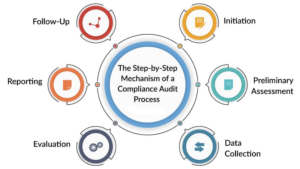
Fig. 4 Phases of the Compliance Audit Process
- Address AI-Specific Compliance Challenges
AI hardware brings new challenges like high power consumption and thermal stress. These physiological phenomena have to be taken into account during safety testing by means of ETC to mimic extreme situations. For example, we perform thermal runaway tests to determine how well GPUs can maintain stability under heavy loads. Engineers (in compliance) should be aware of and updated on new technology standards concerning AI, and deploy them in compliance. This is key for product regulatory compliance and product safety to avoid faulty parts that would destabilize an AI-enabled process.
- Foster Continuous Compliance Monitoring
Regulations change, and static models of compliance don’t work. Compliance engineers need to take a continuous monitoring approach to follow updates of standards such as IEC or regional certifications. Automated notifications of regulatory changes and frequent safety tests, and EMC tests maintain compliance. This proactive tactic protects you from sanctions and assures continued access to the world market.
By focusing on Electrical Safety Compliance, EMC Testing, and Early Integration of Product Compliance, Compliance engineers rely on ETC automation to make sure their products are safe and meet the required regulations, so that AI-driven data centers can proliferate everywhere.