

Museums and educational attractions face an ongoing challenge: how to transform static information into memorable experiences. Visitors often walk past traditional displays without fully engaging, especially when exhibits rely heavily on text or still imagery. This can limit learning, emotional connection, and long-term recall.
Animated exhibits offer a compelling alternative. When a dinosaur animatronic moves, breathes, and responds to its surroundings, it captures attention in a way few other tools can. These lifelike displays activate curiosity, emotion, and imagination, helping visitors connect more deeply with prehistoric life. As educational institutions seek more immersive learning methods, understanding the psychological impact of animated exhibits has become increasingly important.
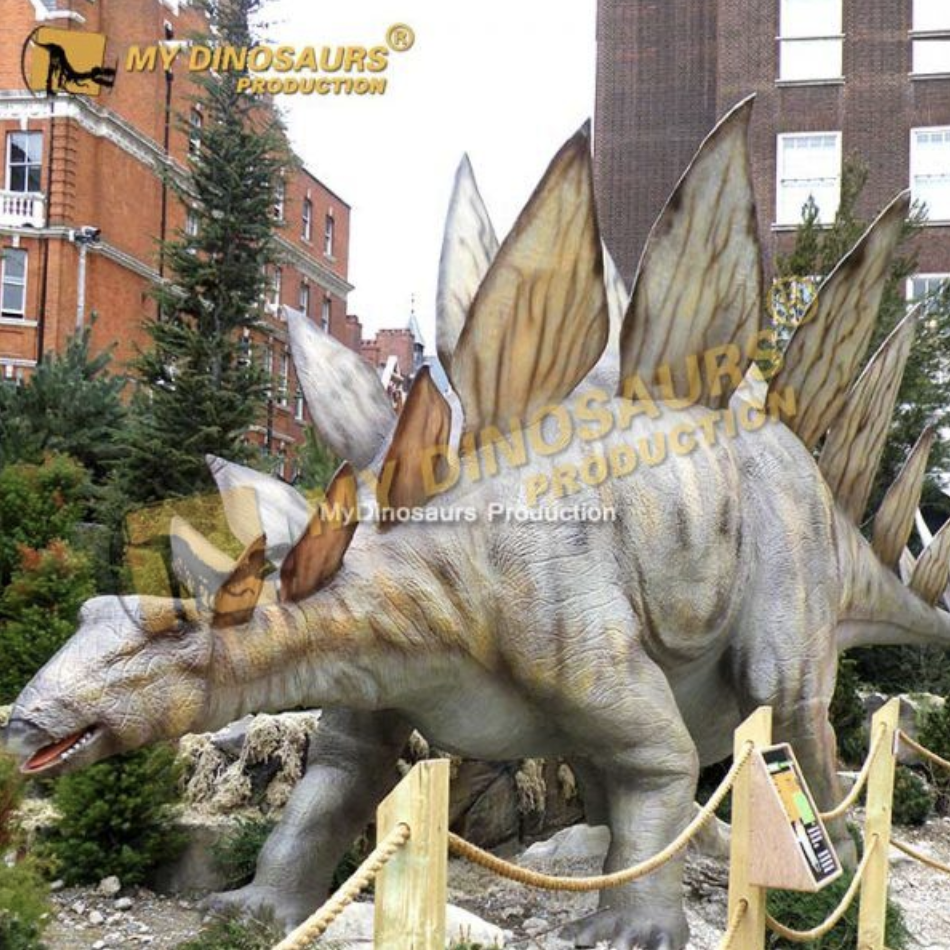
Why Animated Exhibits Capture Human Attention
Movement as a cognitive trigger
Human brains are naturally wired to notice motion. From an evolutionary perspective, movement once signaled opportunity or danger. In modern environments, this instinct remains active. Animated exhibits immediately draw the eye, even in crowded spaces.
A dinosaur animatronic uses controlled movement to guide attention toward key educational moments. Head turns, tail motion, or breathing simulations encourage visitors to pause, observe, and engage rather than pass by.
Sound and sensory stimulation
When paired with sound effects or subtle environmental audio, animated exhibits stimulate multiple senses at once. This sensory layering strengthens focus and helps visitors remain present in the moment, increasing overall engagement.
Emotional Engagement and Memory Formation
Emotions enhance learning
Psychological research shows that emotional experiences are more likely to be remembered than neutral ones. Animated prehistoric creatures often evoke awe, excitement, or even controlled fear. These emotions create strong mental associations with the educational content being presented.
Visitors are more likely to remember facts about dinosaurs when those facts are delivered alongside a moving, lifelike figure rather than a static sign.
From observation to immersion
Animated exhibits help visitors feel part of the environment rather than passive observers. This immersive quality encourages longer visits, deeper exploration, and repeated engagement with the content.
The Role of Realism in Perception
Visual accuracy builds trust
The effectiveness of a dinosaur animatronic depends heavily on its realism. Accurate proportions, textures, and movement patterns influence how believable the exhibit feels. When realism is high, visitors are more likely to accept the educational message as credible.
Balancing realism and accessibility
While realism enhances immersion, exhibits must remain approachable. Overly intense movement or sound can overwhelm certain audiences. Thoughtful design ensures animated displays remain engaging without causing discomfort.
Animated Exhibits and Learning Across Age Groups
Children and experiential learning
Children learn best through interaction and visual stimulation. Animated prehistoric displays support early learning by turning abstract concepts like extinction, evolution, and ecosystems into tangible experiences.
Benefits for younger visitors include
- Increased curiosity and attention span
- Improved recall of scientific facts
- Stronger interest in natural history topics
Adults and emotional resonance
Adults may arrive with prior knowledge, but animated exhibits still enhance their experience. Movement and realism prompt reflection, curiosity, and discussion, making learning more personal and meaningful.
Psychological Safety and Controlled Excitement
Managing fear responses
Large moving figures can trigger fear responses if not designed carefully. Successful exhibits balance dramatic impact with predictability. Slow, rhythmic motion and clear visibility help visitors feel safe while remaining engaged.
Clear spatial design
Providing adequate viewing distance, signage, and predictable motion patterns allows visitors to choose their level of interaction. This sense of control reduces anxiety and enhances enjoyment.
The Impact on Social Interaction
Encouraging shared experiences
Animated exhibits often become focal points where families, school groups, and friends gather. Shared reactions such as surprise or excitement strengthen social bonds and create collective memories.
Conversation starters
Moving exhibits naturally spark questions and discussions. Visitors are more likely to talk about what they see, ask guides for information, or engage with educational prompts nearby.
Comparing Animated Exhibits to Static Displays
| Feature | Animated Exhibits | Static Displays |
| Attention capture | High due to movement | Limited |
| Emotional impact | Strong | Moderate |
| Memory retention | Higher | Lower |
| Visitor dwell time | Longer | Shorter |
| Sensory engagement | Multi sensory | Primarily visual |
This comparison highlights why animated exhibits are increasingly favored in modern educational environments.
Ethical and Educational Considerations
Accuracy over spectacle
While animation enhances engagement, educational accuracy must remain the priority. Exhibits should be developed in consultation with scientific research to avoid misinformation.
Supporting diverse learning styles
Animated displays should complement, not replace, other educational materials. Text, visuals, and interactive tools ensure information is accessible to a wide range of learners.
Long Term Psychological Benefits
Fostering lifelong interest
Positive early experiences with animated exhibits can shape long term interests in science, history, and conservation. Visitors who feel emotionally connected to prehistoric life are more likely to value preservation and education.
Inspiring curiosity beyond the exhibit
The impact of a well designed dinosaur animatronic often extends beyond the visit itself. Visitors may seek additional information, documentaries, or educational programs, continuing the learning process long after leaving the venue.
Conclusion
Animated exhibits play a powerful role in shaping how visitors experience and understand prehistory. By combining movement, sound, and realism, a dinosaur animatronic transforms passive observation into emotional and cognitive engagement. These experiences strengthen memory, encourage curiosity, and make learning more accessible across age groups.
As museums and educational spaces continue to evolve, animated exhibits offer a proven way to connect science with human psychology. When thoughtfully designed and ethically grounded, they do more than entertain. They create lasting impressions that deepen understanding, inspire exploration, and bring the ancient past vividly into the present.